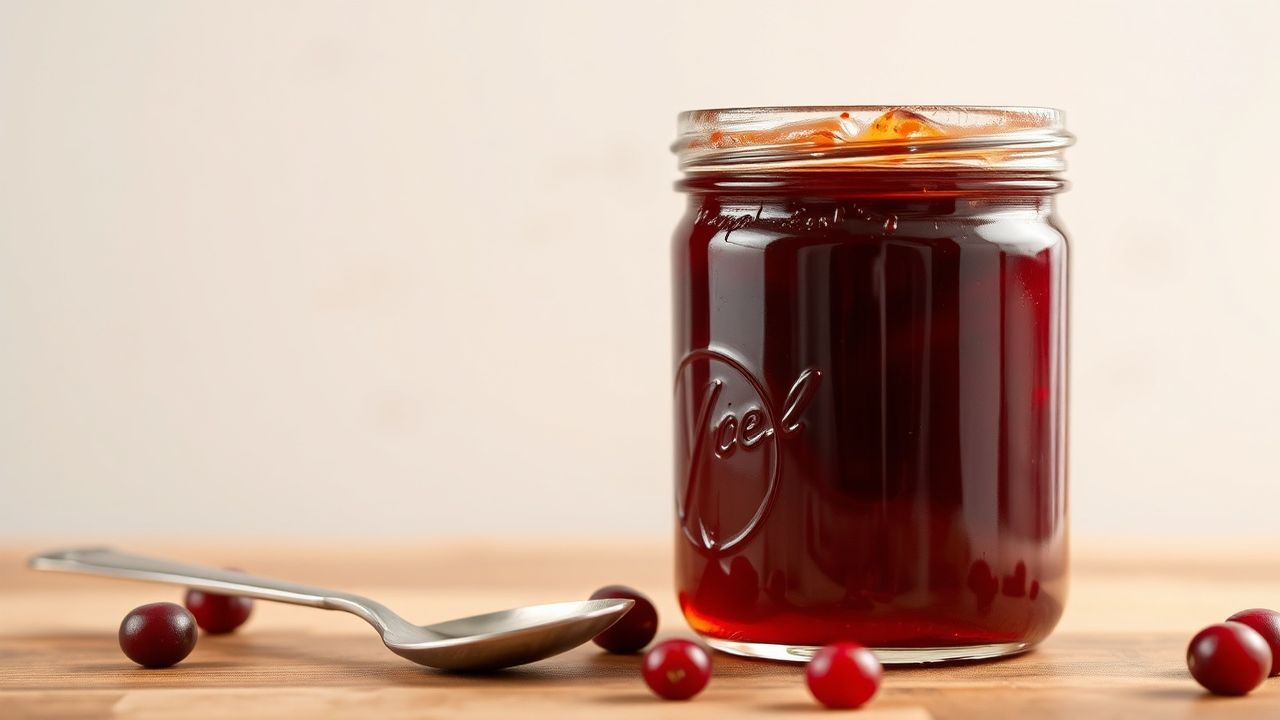

There is nothing more deflating than a pot of homemade jam that refuses to set. The color and aroma promise a spreadable treat, but the finished batch may stay syrupy and loose.
- At a glance: Low pectin, incorrect acidity, or undercooking cause most failures.
- Quick fixes: Reboil with added pectin or use natural pectin sources like apple peels.
- Prevention: Measure sugar and pectin, add lemon juice, and test with a chilled plate.
- Safety: Runny jam is safe if canned correctly; reprocessing requires proper boiling-water or hot-pack methods.
Why Jam Fails to Set
Jam sets when pectin molecules form a network that traps sugar and water. That network needs enough acid and the correct sugar-to-pectin ratio to form a stable gel.
Common culprits include under-ripe fruit with low natural pectin, incorrect pectin type, or short cooking time. For technical context, see pectin and how it reacts chemically.
Prep and Cook Time
Preparation: 15 minutes. Gather fruit, measure sugar precisely, and prepare pectin as the package instructs.
Cooking: 30–40 minutes. Bring to a rolling boil and maintain it for the active time specified. For timing context about boiling and preserves, consult the general entry on jam (fruit preserve).
Yield and Difficulty
This recipe yields about 4 half-pint jars. Expect roughly 8 servings total depending on jar fill and evaporation during cooking.
Difficulty sits at medium: you must monitor boil intensity and measure precisely. Practice reduces errors and improves consistency.
Ingredients
Use ripe, firm fruit for the best balance of flavor and natural pectin. Choose fruit known for higher pectin if you need a stronger set, or combine low-pectin fruit with high-pectin fruit.
- 3 cups fresh fruit, hulled and chopped
- 1 ½ cups granulated sugar
- 2 tbsp lemon juice, freshly squeezed
- 1 packet (1.75 oz) powdered fruit pectin (or per package)
- ½ cup water (for dissolving pectin)
- Optional: 1 tsp butter to reduce foaming
When substituting pectin types, match the product to your sugar plan. Low-sugar pectin requires a different approach than full-sugar pectin.
Instructions
Follow measured steps to control the chemistry: pectin, sugar, and acid must meet to gel. Keep a constant, vigorous boil when the pectin is active.
Work in batches if your pot is small; overcrowding reduces heat transfer and lengthens the time to reach setting temperature.
- Prepare the fruit: Wash, hull, and chop into small pieces so juices release quickly and evenly.
- Dissolve pectin: Combine powdered pectin with ½ cup water in a small pan. Bring to a gentle boil, then remove from heat to keep it fully dissolved.
- Cook fruit with sugar and acid: In a large, heavy pot, combine chopped fruit, sugar, and lemon juice. Bring to a full rolling boil.
- Add pectin: Stir the dissolved pectin into the boiling fruit mixture. Return to a vigorous boil and maintain for 1–2 minutes, stirring constantly.
- Test for set: Drop a small amount on a chilled plate; if it wrinkles when pushed, it is ready. If not, boil another 1–2 minutes and test again.
- Finish: Skim foam, ladle into sterilized jars leaving ¼-inch headspace, wipe rims, and seal according to your canning method. Let cool undisturbed.
Testing and Troubleshooting During Cooking
The chilled-plate wrinkle test remains the fastest field test for setting. Use a metal spoon and a plate kept in the freezer for consistent results.
If jam looks close but fails the test, one extra minute at a rolling boil can make the difference. Watch for scorching and reduce heat if the fruit bits cling to the pot.
Reviving Runny Jam
Rescuing jam is often straightforward. You can reboil with added powdered pectin, or use natural pectin sources like apple peels to thicken gently.
To add powdered pectin: dissolve 1–2 tablespoons pectin in ½ cup water, boil briefly, then stir into the cooled runny jam and bring to a rapid boil for 1–2 minutes. Retest and repeat if needed.
Natural pectin rescue: simmer apple peels or cores in water, strain to extract the pectin-rich liquid, and add it to the jam before a final boil. This method preserves flavor without commercial pectin.
After reprocessing, re-can using proper hot-pack or boiling-water bath methods to ensure safety. If you need a refresh on canning safety and techniques, see the general guidance on home canning.
Tips for Success
Precise measurement matters: weighing fruit and sugar gives consistent results more than volume cups. Sugar affects both taste and the chemical environment for gelling.
Match your pectin to your recipe. Commercial pectins differ: regular, low-sugar, and no-sugar pectins require adjusted recipes. Packaging instructions are technical and should guide your adjustments.
Keep acid consistent. Lemon juice both brightens flavor and lowers pH to a range where pectin cross-linking is efficient. If your fruit is very ripe and sweet, an extra tablespoon of lemon juice can help.
For recipe variety and tested approaches, link your saved fixes to internal resources like Homemade Fruit Jelly Recipes and Preserving Tips for step-by-step photos and procedural checklists.
Serving Suggestions
When jam doesn’t set fully, use it as a sauce for yogurt, pancakes, or desserts. Syrupy jam makes an excellent glaze for roasted fruit or cake layers.
Fully set jam shines on toast, scones, or as a filling. Offer herbs, citrus zest, or a pinch of salt to lift the flavor and create balance.
Nutritional Notes and Storage
Typical homemade jam has calories primarily from sugar; a half-tablespoon serving contains roughly the values shown in small-scale analyses. Adjust portions when serving to children or people managing sugar intake.
Store sealed jars in a cool, dark pantry. Refrigerate after opening and consume within several weeks for best quality. For technical context on fruit composition, see fruit.
| Nutritional Info (per serving) | Calories | Protein | Carbohydrates | Fat |
|---|---|---|---|---|
| Homemade Jam | 90 | 0.5g | 22g | 0g |
Q&A
Quick answers for common problems help you act fast when a batch looks marginal. These responses reflect standard preserving science and field-tested kitchen practice.
Use the Q&A as a checklist when you troubleshoot: identify pectin, acid, and sugar as the three factors to test first.
Q1: Why didn’t my jam set properly?
A1: Most often due to low pectin, too little acid, incorrect pectin type, or insufficient boil time. Test each variable systematically to isolate the problem.
Q2: How can I tell if my jam has set correctly?
A2: Use the chilled-plate wrinkle test or the spoon test; both are reliable. If it wrinkles when pushed, it has likely reached the gel point.
Q3: What’s the quickest fix if my jam didn’t set after the first boil?
A3: Reboil with a small measured dose of powdered pectin or add pectin-rich apple juice. Boil for the time recommended by the pectin manufacturer and retest.
Q4: Is it safe to eat jam that didn’t set?
A4: Yes, if it was prepared and canned correctly. The texture may be syrupy but it is edible; reprocessing is an option for longer shelf life and better texture.
Q5: Can certain fruits be more prone to runny jam?
A5: Yes. Berries like strawberries and cherries tend to be lower in pectin compared to citrus or crabapples. Combine fruits or add tested amounts of pectin to compensate.
Closing Remarks
Rescuing a runny batch usually requires one targeted correction: more pectin, more acid, or extra evaporation by reboiling. Small, measured steps preserve flavor and texture.
Keep a notebook of what you tried and the results; iterative adjustments are the fastest path to consistent success. Happy preserving and enjoy your perfected spreads.
See also: jam set