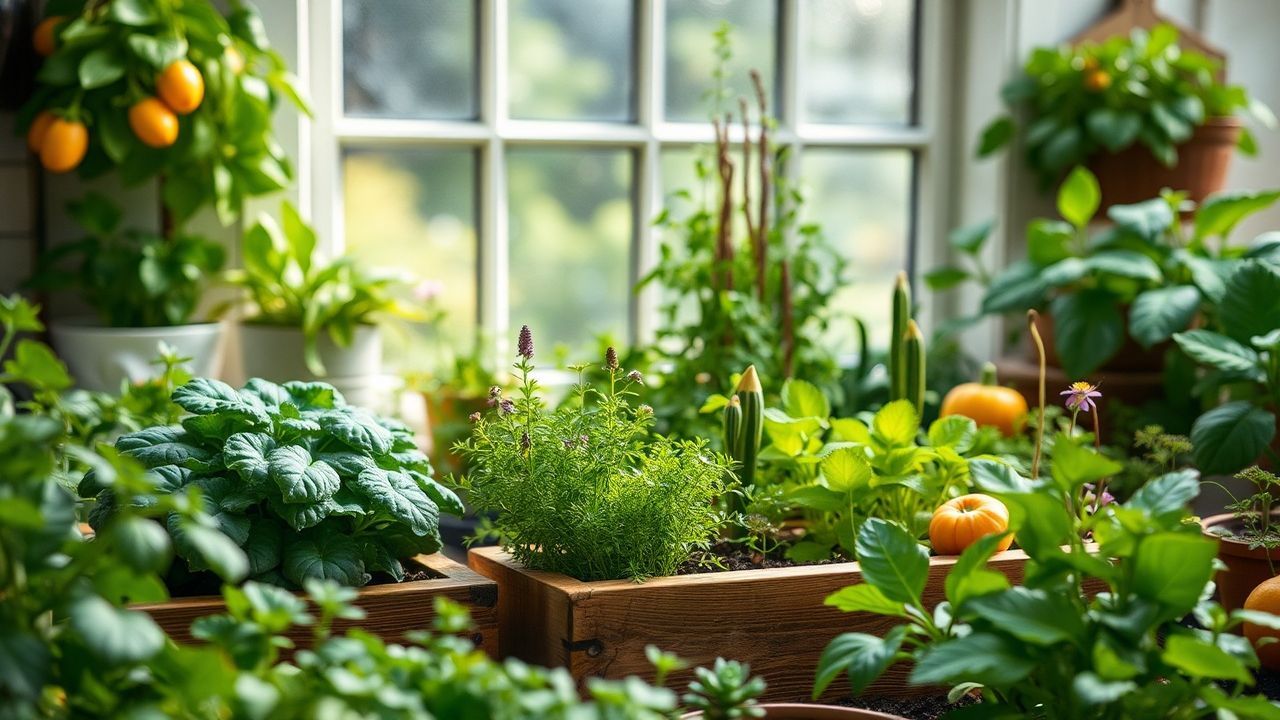

Growing Green: Unlocking the Magic of Kitchen Gardens turns compact spaces into productive, aromatic corners. With deliberate soil choice, targeted light and tight watering routines, you can harvest fresh herbs and salad greens from a window ledge or counter planter.
- Prep and Timing
- The Foundation: Soil Secrets and Nutrient Know-How
- Choosing the Perfect Spot for Your Kitchen Garden
- Planting with Purpose: Selecting Herbs and Vegetables That Thrive Indoors
- Watering Wisdom and Pest Patrol: Nurturing Your Garden While Keeping It Healthy
- Ingredients for a Thriving Kitchen Garden
- Instructions
- Tips for Success
- Serving Suggestions
- At-home Resources and Further Reading
- Q&A
- To Wrap It Up
- Fast wins: Start with basil, chives and lettuce for rapid rewards.
- Soil matters: A well-draining, nutrient-rich potting mix reduces stress and pests.
- Light strategy: 6–8 hours of light or full-spectrum grow lights replace weak daylight.
- Low effort: Self-watering pots and weekly checks keep maintenance minimal.
Prep and Timing
Preparation: 20 minutes for setup; expect 1 hour for initial planting. You will spend 5–10 minutes daily on quick checks and light watering to sustain growth.
Yield: A small kitchen garden supports 2–4 people with continuous herb and salad harvests during the growing season. Plant successionally for steady production rather than one-time peaks.
The Foundation: Soil Secrets and Nutrient Know-How
Start with a well-draining, organic potting mix that balances moisture retention and aeration. Add compost or worm castings to supply slow-release nutrients and beneficial microbes to roots.
For reference on organic inputs and soil health, consult the potting soil overview. Mix proportions and particle sizes significantly influence root health and nutrient uptake.
Soil Mix Recipes
Use a simple blend: two parts coco coir or peat alternative, one part perlite, and one part compost. This mix remains light, drains well, and still holds enough moisture for small pots.
For heavy feeders like cherry tomatoes, increase compost to add available nitrogen and organic matter. Fertilize lightly with a balanced liquid feed every 3–4 weeks during the main growth phase.
Choosing the Perfect Spot for Your Kitchen Garden
Place plants where they receive at least 6 to 8 hours of natural sunlight. South- and east-facing windows deliver stable morning and midday light that most culinary herbs prefer.
If you lack adequate natural light, use full-spectrum light sources designed for plants. Learn more about artificial lighting principles at the grow light reference.
Microclimates and Placement
Indoor microclimates vary: near stoves gets warm but dry; window sills are cooler but brighter. Monitor temperature and humidity for at least a week before finalizing pot placement.
Rotate pots weekly for even leaf development and to avoid plants leaning toward a single light source. Rotation also reduces pest hotspots and improves harvest uniformity.
Planting with Purpose: Selecting Herbs and Vegetables That Thrive Indoors
Choose plants adapted for containers and short root zones. Basil, chives, mint, lettuce, spinach and microgreens respond well to indoor conditions and frequent harvesting.
For plants with larger root systems—like tomatoes or root veg—select deep pots and compact varieties. Plant selection shapes pot size, watering frequency, and nutrient plans.
Variety Selection Tips
Pick compact or dwarf cultivars labeled for container growth. These strains perform reliably in limited soil volume and reduce the need for staking or heavy pruning.
Avoid aggressive spreaders unless isolated; for example, plant mint in a dedicated pot to prevent it from dominating shared containers.
Watering Wisdom and Pest Patrol: Nurturing Your Garden While Keeping It Healthy
Provide consistent moisture without waterlogging the root zone. Use well-draining media and water until excess appears at drainage holes; then allow the top inch of soil to dry before re-watering.
Inspect leaves and undersides regularly for early signs of aphids, whiteflies or spider mites. Early detection prevents infestations from spreading across containers.
Use organic contact solutions like a mild soap rinse or neem-based sprays when infestations appear. Apply treatments sparingly and re-check plants 48–72 hours after application.
Ingredients for a Thriving Kitchen Garden
Gather basic gear: six to eight pots with drainage, quality potting soil, compost or worm castings, seeds or seedlings, and a small trowel. Add a spray bottle for misting and basic pruning shears for harvests.
Consider a simple self-watering system if you travel frequently. Self-watering pots cut maintenance time while keeping moisture levels steady for most herbs and greens.
Instructions
Follow a repeatable routine to reduce errors and improve outcomes. First, prepare containers by ensuring drainage and filling them with the prepared soil blend.
Sow seeds or transplant seedlings according to package depth. Lightly firm the soil around roots and label each container with plant name and date for tracking.
Step-by-step Care
Position pots in the chosen light, rotating weekly for even exposure. Water to moist but not soggy conditions and remove any yellowing foliage promptly to reduce disease risk.
Feed lightly with a balanced, organic liquid fertilizer during active growth. For leafy greens, use a nitrogen-forward feed; for fruiting plants, switch to a bloom/fertilizer mix as flowers form.
Tips for Success
Start small to build competence. Begin with a few forgiving herbs and one leafy green; expand once you master timing and microclimate variables.
Record your routine in a short journal: note watering days, fertilizer dates and harvest yields. Data helps you refine watering intervals and feeding schedules.
Re-purpose containers to cut costs: clean glass jars or tins become functional pots if you add drainage. Just line the bottom with a layer of gravel before soil to prevent rapid clogging of holes.
Serving Suggestions
Harvest herbs early in the morning for the best flavor and aroma. Use basil in salads and pestos, chives on eggs and potatoes, and mint in beverages to make the most of fresh-plant intensity.
Save seeds from healthy plants to develop a small, locally adapted stock. Dry seeds in a cool, dry place and label harvest dates to maintain variety vigor over seasons.
At-home Resources and Further Reading
For deeper reading on home composting and nutrient cycles, review the compost entry. For crop scheduling and rotation, see crop rotation, which helps plan successive plantings.
Explore internal guides for practical steps and product picks: our Fresh Herbs Culinary Guide shows culinary uses, and the Container Gardening Guide lists recommended pots and media for indoor setups.
Q&A
What is a kitchen garden and who should try one?
A kitchen garden is a compact, edible planting area located near or inside the kitchen. Anyone with sunlight or minimal supplemental lighting can start one to access fresher, more flavorful ingredients.
How much light do indoor herbs need?
Most culinary herbs need 6–8 hours of light. If your windows provide less, install a full-spectrum grow light for 12–16 hours daily based on plant response.
How often should I water my pots?
Water when the top inch of soil feels dry. Frequency varies by pot size, plant type and season; small pots usually need more frequent checks than large ones.
Can I use kitchen scraps to fertilize my pots?
You can compost vegetable scraps to create nutrient-rich amendments, but avoid adding raw food scraps directly to pots. Compost first to eliminate odors and stabilize nutrients.
Which pests are common and how do I treat them?
Common pests include aphids, whiteflies and spider mites. Use physical removal, mild soap rinses and targeted organic sprays as first-line controls to protect beneficial insects.
To Wrap It Up
Growing green in the kitchen equals consistent flavor, reduced waste and daily contact with living plants. With measured soil choices, light management and simple routines, even small spaces produce meaningful harvests.
Begin with a focused plan, use the resources and links above, and expand as you learn. The process rewards attention: small, repeated actions create a productive and calming kitchen garden that serves your table and your wellbeing.
| Nutrient | Amount per Serving |
|---|---|
| Calories | 25-35 |
| Protein | 1-2g |
| Carbohydrates | 3-5g |
| Fat | <1g |
For step-by-step plant lists, consult the internal guides linked above and experiment with small batches. Keep notes and adjust light, water and feeds until your kitchen garden consistently produces vibrant, healthy bites.
See also: Kitchen garden