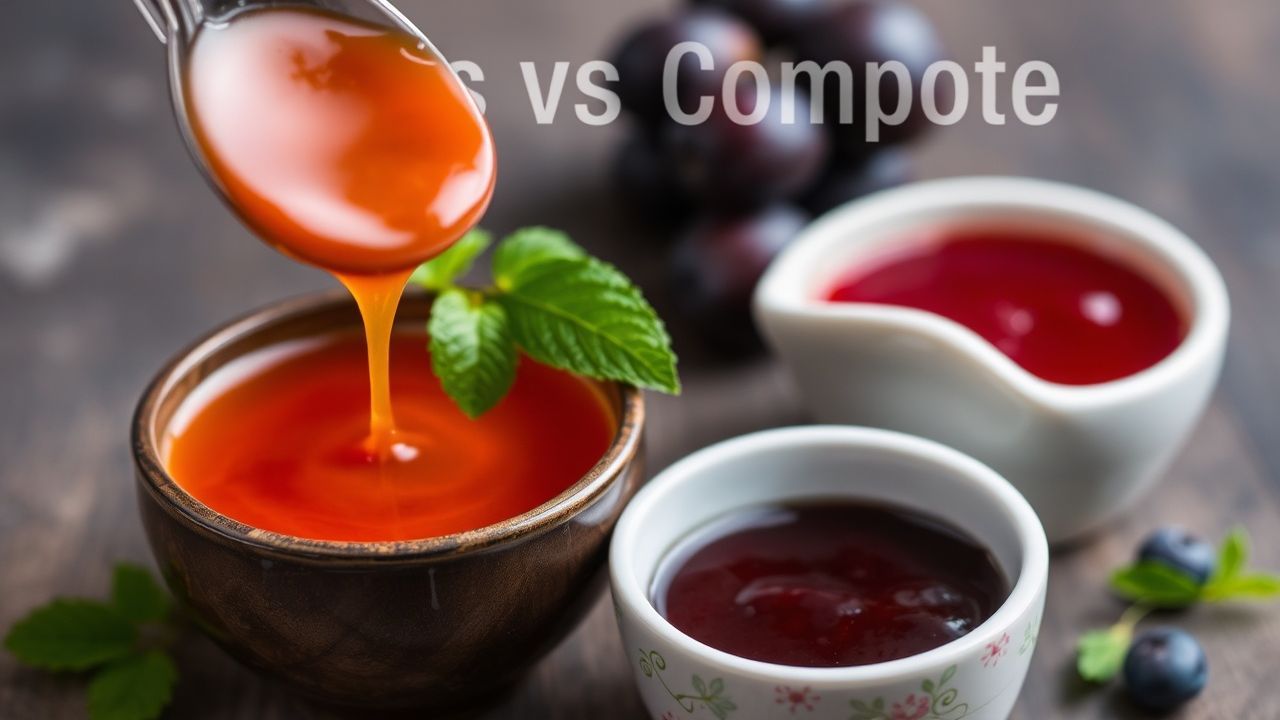

coulis compote frames a clean culinary split: one sauce is silky and strained, the other is chunky and stewed. Both convert fresh fruit into flexible accompaniments for desserts, breakfast plates, and savory dishes.
- Understanding texture and consistency in coulis compote
- Flavor profiles and culinary uses for coulis compote
- Step-by-step guide to perfecting coulis compote at home
- Chef’s notes, preservation, and shelf life for coulis compote
- Serving suggestions and pairings for coulis compote
- Nutrition, metrics, and ingredient choices for coulis compote
- Further reading and authoritative references
- FAQ
- Key textures: coulis compote differ in smoothness versus body and bite.
- Best uses: coulis for refined plating; compote for hearty toppings and warm pairings.
- Technique focus: precise straining and acid balance for coulis; low simmer and spice layering for compote.
- Preservation: coulis chills short-term; compote adapts to canning and freezing.
Understanding texture and consistency in coulis compote
A coulis compote comparison starts at cellular breakdown: coulis is a strained puree, while compote keeps fruit pieces suspended in syrup. This structural difference dictates mouthfeel, plating options, and how heat transforms flavor.
Coulis relies on a blender and a fine sieve to remove seeds and fibers, yielding a velvety ribbon of concentrated fruit. Compote uses gentle simmering to soften fruit yet preserve shape, so spices and syrup remain integral to the bite.
How texture affects application in coulis compote
Texture determines function: a smooth coulis complements airy mousses and creams without adding chew or weight. Conversely, compote adds chew and substance that anchors rustic tarts, pancakes, and savory pairings.
From a technical standpoint, coulis benefits from tools like a chinois or double-layered cheesecloth for clarity. Compote demands controlled heat in a heavy-bottomed pan to avoid over-breakdown and uneven caramelization.
Flavor profiles and culinary uses for coulis compote
Coulis emphasizes bright, forward fruit intensity; light maceration, brief warming, or raw blending keeps acidity and aroma intact. Use coulis to cut richness on panna cotta, dark chocolate desserts, or pan-seared fish.
Compote gains complexity through time and heat as sugars concentrate and spices bloom. Add citrus peel or a fortified spirit late in the cook to layer flavor without collapsing texture.
Choosing fruit by function for coulis compote
Berries, mango, and ripe stone fruit make ideal coulis: they puree smoothly and strain cleanly. For compote, apples, pears, and figs hold shape and respond favorably to extended simmering and spice.
Adjust sugar and acid differently for each: low-acid fruit may need lemon or vinegar to sharpen a coulis, while compote often relies on gradual sugar reduction and caramelization for body.
Step-by-step guide to perfecting coulis compote at home
Timing: coulis is fast—most recipes require under 10 minutes of active work. Stop at puree and strain to preserve brightness and color.
Compote uses 15–30 minutes of gentle simmering depending on fruit and size. Slow heat lets pectin and sugar concentrate into a syrup without dissolving all structure.
Basic berry coulis method
Cook berries briefly with a measured amount of sugar and lemon until they release juice. Puree until smooth and push through a fine sieve to remove seeds and tough membranes.
Optionally reduce the strained puree over low heat to concentrate flavor and adjust viscosity. Chill or use at room temperature for decorative plating.
Basic apple spice compote method
Combine chopped apples with sugar, warm spices, and a splash of cider or water. Simmer on low until fruit softens while pieces remain identifiable.
Finish compote with vanilla or a touch of acid toward the end to brighten the syrup. Serve warm, or cool; texture firms as chilling concentrates pectin and sugar.
Use ripe but not overripe fruit for coulis to avoid off-flavors that concentrate when strained. For compote, slightly underripe fruit helps hold pieces together during simmering.
Acid also changes pectin behavior; too much acid early in compote can prevent proper gelling. Add citrus late unless intentionally using an acid to change texture.
Chef’s notes, preservation, and shelf life for coulis compote
Store coulis in the refrigerator for 3–4 days in an airtight container, and use chilled to preserve fresh aroma. Compote keeps longer—typically up to a week—when stored cold, and it freezes well for months.
For long-term storage, employ tested water-bath canning techniques or rapid chilling to minimize bacterial growth. Control sugar and acid when preserving to ensure food safety and predictable texture.
Technical tips for consistency and color
Control pectin by choosing fruit variety and adjusting cooking time: high-pectin fruit thickens faster when heated. If clarity is critical, add a small acid at the end rather than the start to protect pectin network.
To keep coulis color bright, cool quickly and limit prolonged exposure to air and light. For compote, a short flash-cook before storage helps set syrup without collapsing fruit pieces.
Serving suggestions and pairings for coulis compote
Plate coulis as a smear, dots, or a delicate pool to add visual contrast and sharp flavor to desserts. Its concentrated brightness pairs with creamy or fatty components.
Serve compote spooned over yogurt, pancakes, or roasted meats as a warm condiment. Add toasted nuts, flaky salt, or an herb garnish to elevate texture and aroma.
Presentation tips
Warm coulis slightly and use a squeeze bottle or spoon to paint lines for elegant plates. Spoon compote freely for a rustic, homey presentation with visible fruit pieces.
Think contrast: a crisp tuile or toasted nut works with compote, while coulis pairs best with airy or creamy elements for balanced mouthfeel.
Nutrition, metrics, and ingredient choices for coulis compote
Both sauces are fruit-based; calorie and carbohydrate counts rise with added sugar and the degree of reduction. Coulis often has fewer added sugars when built from ripe fruit finished with acid.
Compote typically contains more carbohydrates per serving due to syrup concentration and added sweeteners. Prefer whole-fruit compote to retain fiber and satiety when possible.
| Nutritional Information (per 1/4 cup) | Coulis | Compote |
|---|---|---|
| Calories | 60 | 90 |
| Protein | 0.5g | 0.3g |
| Carbohydrates | 15g | 23g |
| Fat | 0g | 0g |
For preserving context and pectin behavior, consult detailed references on pectin chemistry and fruit selection. Use tested recipes when canning to guarantee safety and texture consistency.
Explore additional technique articles on our site for step-by-step recipes and troubleshooting: Sauce Techniques and Preserving Fruit.
Further reading and authoritative references
Background on coulis chemistry and history can be reviewed on coulis. For context on compotes and their culinary role, see compote.
General sauce technique and classification are explained on the sauce entry. For pectin and gelling behavior, review pectin.
FAQ
What is the difference between coulis and compote?
Coulis is a strained, smooth puree that provides concentrated, bright flavor without texture. Compote is simmered fruit that keeps pieces and offers syrup and chew.
Can I substitute coulis for compote or vice versa?
You can substitute but expect significant textural change. Using coulis removes chew and body; using compote adds weight and may mask delicate flavors.
How long do coulis and compote last in the fridge?
Coulis keeps about 3–4 days refrigerated; compote generally lasts up to a week depending on sugar and acidity. Freeze compote for multi-month storage.
Which fruits make the best coulis or compote?
Berries, mango, and soft stone fruits excel for coulis. Apples, pears, figs, and firmer stone fruits work well as compote due to structure and pectin content.
How do I improve shelf-life professionally?
Control acidity and sugar, sterilize containers, and follow validated canning procedures for long-term storage. For short-term, cool quickly and limit headspace in jars.
See also: coulis compote