
Mastering Meals: Blending Fresh and Preserved Flavors Perfectly
Blending fresh produce with preserved pantry staples unlocks layered, memorable dishes that balance brightness and depth. This method relies on controlled contrast: acid, salt, fat, and texture all play distinct roles.
- Balance intensity: use preserved items sparingly at first.
- Layer flavors: add preserved elements at different cooking stages.
- Preserve texture: combine crunchy fresh components with softer preserved ones.
- Test and adjust: taste as you go to manage salt and acidity.
Why blend fresh and preserved?
Combining fresh and preserved ingredients creates complementary flavor dimensions: freshness provides volatile aromatics and crisp texture while preservation concentrates umami and acidity. Chefs use this contrast to make dishes feel both immediate and complex.
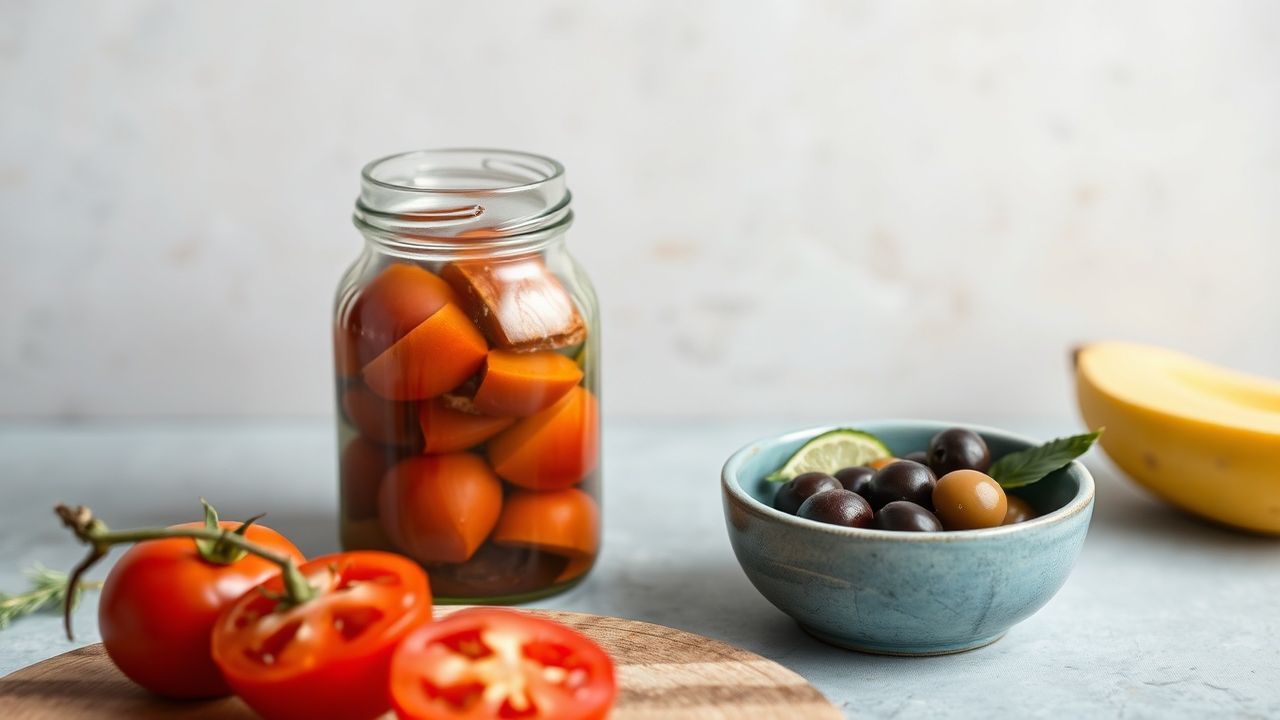
For example, tomatoes deliver bright acidity and juiciness, whereas sun-dried tomatoes give concentrated umami and sweetness. See basic context on tomatoes at Tomato for botanical and culinary background.
Core principles of successful flavor fusion
Start with a base of neutral fat and aromatics to carry both fresh and preserved notes. Then layer preserved items in small increments while using fresh components to counterbalance intensity.
Salt, acid, fat, and bitterness act as control points: acid brightens, fat smooths, salt enhances, and bitterness adds backbone. For preservation science and safety, refer to Food preservation.
Prep and Cook Time
This recipe requires short active prep paired with moderate stovetop time so preserved items can release flavor without losing their character. Planning ahead lets preserved elements meld while fresh components remain vibrant.
- Preparation: 15 minutes
- Cooking: 30 minutes
- Total: 45 minutes
Workstation layout helps speed: keep chopped aromatics, preserved items, and fresh produce in separate bowls. That organization prevents overcooking delicate ingredients when timing matters.
Yield and difficulty
This recipe serves four and suits cooks who manage timing and seasoning confidently. The technique rates as medium because it asks for tasting and adjusting during cooking.
If you want to scale portions, multiply preserved components conservatively since they concentrate flavor. Preserve the balance by increasing fresh produce proportionally.
Ingredients
Gather high-quality pantry preserves and seasonal fresh produce for the best result. Use unrefined extra-virgin olive oil and fresh herbs to keep flavors transparent and clean.
- 2 tablespoons extra virgin olive oil
- 1 medium yellow onion, finely chopped
- 3 cloves garlic, minced
- 1 cup sun-dried tomatoes, finely chopped
- 1 preserved lemon, rind only, thinly sliced
- 400g (14 oz) fresh cherry tomatoes, halved
- 1 teaspoon smoked paprika
- 200g (7 oz) spinach leaves, washed and roughly chopped
- 1/2 cup toasted pine nuts
- 150g (5 oz) crumbled feta cheese
- Salt and freshly ground black pepper to taste
- Fresh basil leaves for garnish
- Freshly baked crusty bread for serving
Swap preserved items mindfully: for instance, replace preserved lemon with lemon zest plus a teaspoon of lemon juice when needed. However, preserved lemons supply a saline-citrus profile that is difficult to replicate exactly.
Instructions
Follow the cooking sequence to extract flavour from preserved elements while preserving freshness in final components. Work at medium heat so aromatic oils release without burning.
- Heat the olive oil in a large skillet over medium heat. Add the chopped onion and sauté until translucent, about 5 minutes.
- Add minced garlic and cook for 1 minute until fragrant, taking care not to burn it.
- Stir in sun-dried tomatoes and preserved lemon slices. Sauté for 3 minutes, allowing the preserved elements to release their intense flavor.
- Add the halved cherry tomatoes and smoked paprika. Cook for 7–10 minutes, stirring occasionally, until cherry tomatoes soften and release their juices, forming a luscious sauce.
- Fold in the chopped spinach, letting it wilt gently in the pan. Season with salt and freshly ground black pepper to taste.
- Remove from heat and sprinkle toasted pine nuts and crumbled feta over the top. Gently toss to combine the textures and flavors.
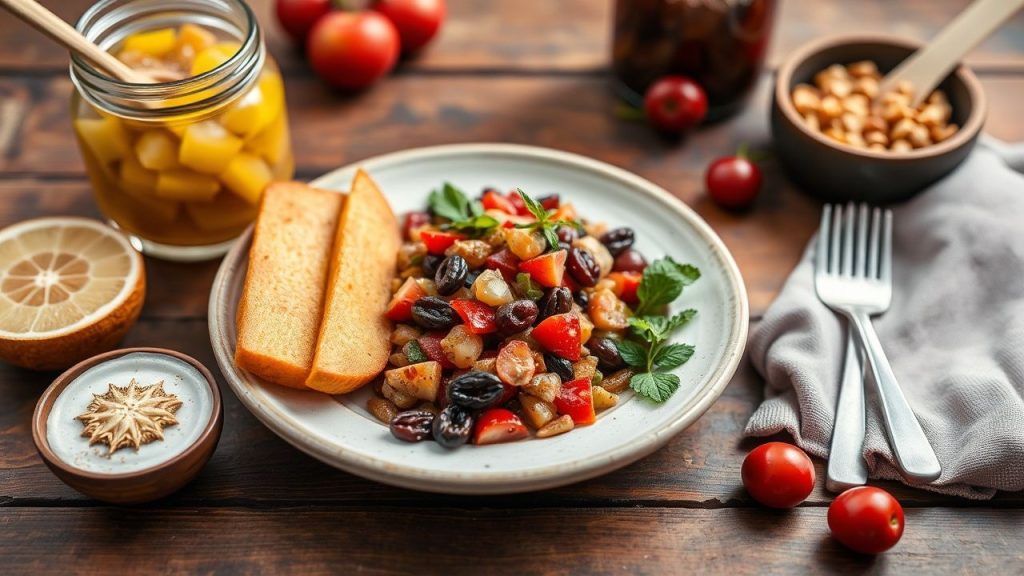
- Serve warm, garnished with fresh basil leaves alongside slices of crusty bread to soak up every drop of the flavorful fusion.
Allow the dish to rest two minutes off the heat so residual warmth harmonizes flavors. Serve immediately to preserve the contrast between warm sauce and crisp garnishes.
Chef’s Notes: Tips for Success
Balance preserved elements by adding them incrementally and tasting after each addition. Fresh ingredients should correct or amplify preserved notes rather than compete with them.
Avoid over-salting: preserved items often contain concentrated salt or brine, so reduce base seasoning and adjust at the end. If salt runs high, dilute with fresh tomatoes, a splash of water, or a small amount of cream.
Flavor balancing techniques
Acid brightens heavy preserves—try a squeeze of lemon or a drizzle of vinegar when needed. Fresh herbs at the end revive aromatics and make the dish feel lighter.
For richer textures, add a spoonful of olive oil or a knob of butter off-heat to gloss the sauce. That final fat melds flavors and gives a satisfying mouthfeel.
If you plan to batch-cook, prepare the preserved base ahead and finish with fresh ingredients on reheating. This approach preserves brightness and boosts efficiency.
Serving Suggestions
Present this fusion in a shallow bowl so the sauce and solids read visually and texturally. Garnish with fresh basil and a light drizzle of high-quality olive oil to emphasize freshness.
Pair the dish with a chilled white wine or a light rosé to heighten contrast between brightness and savory depth. For complementary textures, serve with crusty bread or a peppery arugula salad dressed in lemon vinaigrette.
Nutrition and pantry strategy
This plate balances fat and vegetables: expect roughly 320 kcal per serving with a focus on healthy fats from olive oil and nuts. Preserved components concentrate flavor and micronutrients, though they can add sodium.
Maintain a pantry of key preserved items—sun-dried tomatoes, preserved lemons, aged cheeses, and fermented condiments—to increase meal options during low-season produce months. For fermentation fundamentals, consult Fermentation.
Resources and internal guides
To expand technique and pairing knowledge, check internal guides on seasonal pairing and preserving methods. These internal references offer recipes and timing strategies to build a reliable flavor library.
Explore related posts: seasonal ingredient pairings and preserving techniques for tutorials and recipes that reinforce these principles. Use these pages to practice combining fresh and preserved items with confidence.
Q&A
Below are concise answers to common questions cooks ask when they start blending fresh and preserved flavors. Each response focuses on practical steps you can apply immediately.
Why should I combine fresh and preserved ingredients in my cooking?
Combining these components yields complex dishes that read both bright and savory. Fresh items supply volatile aroma and texture, while preserved items contribute umami and concentrated notes.
What preserved flavors work best with fresh ingredients?
Start with milder preserved items—sun-dried tomatoes, preserved lemons, and lightly fermented vegetables—and pair them with neutral fresh bases. Stronger items, like anchovies or aged cheeses, require smaller portions and bold fresh counters.
How do I balance intense preserved flavors?
Add preserved elements in small increments and balance with acid, fat, or fresh herbs as needed. Also adjust temperature and resting time so flavors integrate without masking freshness.
Can this method help with meal prep?
Yes. Preserved elements extend pantry versatility and reduce waste by offering concentrated flavor when fresh produce is scarce. Prepare preserved-based sauces ahead and finish with fresh elements at service.
FAQ
How much preserved lemon should I use per four servings?
Start with one-quarter to one-half preserved lemon rind, finely sliced, then adjust by tasting. Use conservatively because preserved lemon delivers strong saline-citrus impact.
Can I substitute sun-dried tomatoes with tomato paste?
You can, but tomato paste has a different texture and intensified cooked flavor; rehydrate paste slightly and balance sweetness and acidity to mimic sun-dried character. Use smaller amounts and taste as you go.
What quick fresh counters work if a dish is too salty?
Add diced fresh tomatoes or steamed vegetables, a squeeze of lemon, or a small dollop of plain yogurt or cream to moderate salt. These dilute intensity without losing the dish’s core identity.
Is fermentation necessary for preserved flavor success?
No. Fermentation is one preservation method that adds unique tang and umami, but curing, salting, smoking, and drying also produce useful preserved flavors. Choose the method that matches your flavor goals.
Where can I learn more about regional techniques that blend fresh and preserved ingredients?
Investigate culinary traditions such as Mediterranean cuisine for cured and preserved practices, and consult authoritative food science resources for safe preserving methods. For cultural context, see Mediterranean cuisine.
Concluding Remarks
Mastering this approach means learning restraint and timing as much as ingredients. With practice, you will recognize the small additions that convert a good dish into a memorable one.
Experiment systematically: alter one preserved ingredient at a time, record outcomes, and refine proportions. Over time, you will develop a personal palette for blending fresh and preserved flavors reliably.
See also: Flavor Fusion