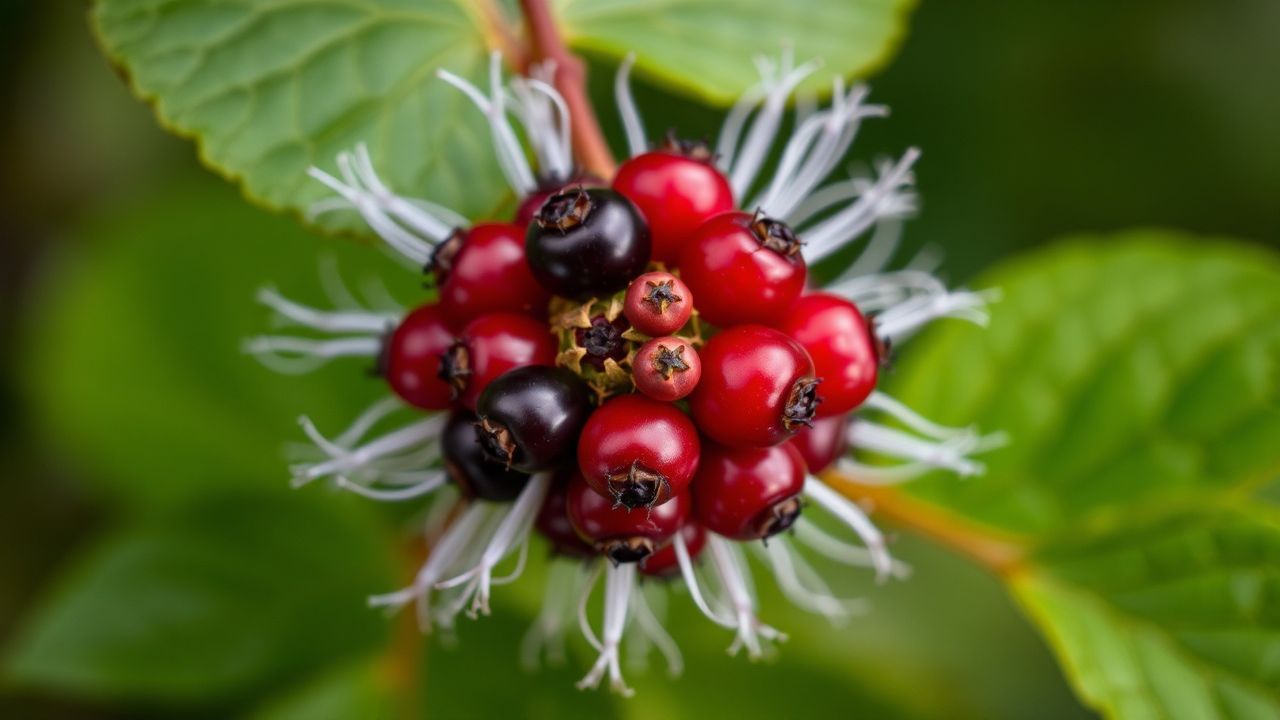

Bright berries draw the eye, but some conceal serious toxins. Learn to read the plant cues that separate safe fruits from dangerous ones and reduce the risk of accidental poisoning while foraging.
- Key takeaway: many toxic berries share glossy appearance and clustered growth.
- Quick action: immediate rinsing and medical contact reduce harm after exposure.
- Foraging rule: never eat a wild berry unless identification is 100% certain.
Deadly Delights: Spotting Poisonous Berries Like Nightshade
Wild berries vary by species, habitat, and toxin profile. A practical identification approach combines visual clues, habitat awareness, and cross-referencing with reliable sources.
Use field notes, photographs, and protective handling to build experience. Over time you will separate confident identifications from uncertain, risky encounters.
Overview: Why identification matters
Some berries contain potent alkaloids that affect the nervous system, heart rate, and digestion. Recognizing these berries prevents severe outcomes and guides correct first response when exposure occurs.
Plants in the nightshade family (Solanaceae) include both edible crops and highly toxic species. For reference on family characteristics see Solanaceae family traits.
Key Identification Traits
Identification rests on consistent morphological signals: berry color and sheen, cluster arrangement, leaf shape, and flower form. Combine multiple traits rather than relying on a single feature.
For example, classic deadly nightshade (Atropa belladonna) typically produces shiny, black berries in loose clusters beneath bell-shaped flowers. See the species profile at Atropa belladonna for botanical images and distribution notes.
Color, shine, and cluster patterns
Many toxic berries show a high-gloss surface that reflects light. Gloss is not definitive, but it appears often in poisonous genera and can mislead inexperienced foragers.
Clusters that hold several berries together on short pedicels often indicate small-fruited toxic species. Compare cluster spacing and pedicel length when differentiating look-alikes.
Leaves, stems, and flowers
Leaf arrangement and vein patterns provide reliable clues. Poisonous nightshades often have ovate leaves with subtle venation and a slightly wavy margin.
Flowers give strong confirmation: bell-shaped or tubular blooms on the same plant point toward certain toxic genera. Use floral shape as a tie-breaker when fruits resemble edible species.
Common Poisonous Species to Know
Several species account for most human exposures. Learn their basic profiles and regional variants to sharpen field judgment.
Beyond Atropa belladonna, species such as bittersweet nightshade and black bryony produce berries that can harm people. Cross-reference local guides and herbarium records to map likely encounters.
Atropa belladonna (Deadly nightshade)
Deadly nightshade yields shiny, black berries and contains tropane alkaloids such as atropine and scopolamine. These compounds disrupt muscarinic receptors and cause classic anticholinergic symptoms.
For chemical context, consult the atropine entry at Atropine, which explains physiological effects and clinical uses.
Bittersweet nightshade and relatives
Species in the Solanum genus and related groups can present red, purple, or black fruits that resemble edible berries. Toxin profiles vary but often include solanine or related glycoalkaloids.
Identification requires attention to flower form and leaf texture. Use genus-level guides to avoid misclassification that leads to accidental ingestion.
Safe Foraging Practices
Adopt a conservative protocol for all wild berry encounters. Err on the side of non-consumption when uncertainty remains.
Carry gloves, a field notebook, and a camera to document specimens without handling them directly. This practice reduces contamination risk and builds an archive for later verification.
Inspection workflow
Step 1: Photograph the plant from multiple angles and note habitat type. Step 2: Observe leaf and flower details with a hand lens. Step 3: Cross-reference images with trusted references before making any decision.
When possible, forage with an experienced companion or attend local identification workshops. Practical mentorship accelerates pattern recognition and reduces hazardous guesses.
Tools and documentation
Use a simple kit: nitrile gloves, hand lens, notebook, and labeled sample bags. Keep samples separate and marked as non-edible to prevent accidental cross-use.
Save photos with date and GPS coordinates if available. Over time these records create a reliable personal database for the region you frequent.
After handling suspicious plants, wash hands thoroughly and avoid touching your mouth or eyes. If you develop skin irritation, treat the area with soap and water and note the exposure for later clinical discussion.
If Exposure Occurs
Immediate, calm action reduces complications after ingestion or significant contact. Rinse exposed skin and mouth with copious water and remove contaminated clothing.
Contact your regional poison control center or emergency services for direction. Do not induce vomiting unless a medical professional recommends it.
Medical signs to watch
Toxins in nightshade-type plants produce anticholinergic signs: dilated pupils, dry skin, rapid heart rate, confusion, and hallucinations. Gastrointestinal upset and drooling may precede neurological symptoms.
Document the time of exposure, the number and type of berries, and any first-aid steps taken. This information helps clinicians choose decontamination and antidotal therapy effectively.
Role of activated charcoal and hospital care
Activated charcoal can adsorb some plant toxins when administered early, but medical providers determine use based on risk-benefit assessment. Hospital care may involve intravenous fluids, cardiac monitoring, and specific antidotes where indicated.
When you call for help, offer photos of the plant if available. Visual evidence accelerates correct treatment decisions and reduces unnecessary procedures.
Nutritional and Toxic Components
Edible berries provide vitamins and antioxidants, but toxic berries concentrate defensive chemicals designed to deter consumption. Distinguish nutritional profiles from toxicology profiles when assessing risk.
The primary toxic agents in nightshade-type plants include tropane alkaloids and glycoalkaloids that affect neural and gastrointestinal function. For general toxicology concepts see poison (toxicity).
| Nutrient / Toxin | Typical Level | Primary Effect |
|---|---|---|
| Atropine / Tropane alkaloids | High in some species | Anticholinergic effects: pupil dilation, confusion |
| Solanine | Moderate in related genera | Gastrointestinal and neurological irritation |
| Other glycoalkaloids | Variable | May cause vomiting, lethargy, or cardiac effects |
Practical Field Checklist
Before you collect any wild berry, run through a short checklist: habitat match, leaf and flower confirmation, cluster pattern, and local species risk. If any item is uncertain, mark the sample as potentially toxic and leave it alone.
Keep a pre-printed checklist in your field notebook to speed assessments. Review region-specific toxic species annually because plant phenology and distributions can shift with local conditions.
When to leave berries alone
Leave berries alone when plants show glossy black or white fruit, when cluster patterns match known toxic species, or when nearby plants belong to the Solanaceae family. Be conservative with unusual colors or smells.
If children or pets are present, exercise extra caution. Small amounts can produce outsized effects in small bodies, so remove temptation by staying on the trail and avoiding berry-rich browsing areas.
Resources and Further Reading
Build a small reference library of regionally focused field guides and verified plant keys. These sources speed correct ID and reduce risky guessing in the field.
For broader context on human interaction with wild foods, see the forage overview at Foraging. Cross-check local extension services and botanical garden materials for region-specific lists.
FAQ
The following questions reflect common concerns from recreational hikers and beginning foragers. Short answers prioritize immediate, actionable guidance.
When in doubt, treat suspicious plants as hazardous and seek expert verification.
What visual clues most reliably indicate poisonous berries?
Look for glossy surfaces, clustered fruits on short pedicels, and bell-shaped flowers on the same plant. Combine those clues with leaf shape and habitat to improve accuracy.
Use multiple confirmatory traits rather than a single indicator like color. Regional familiarity matters: learn the toxic species in the areas you visit.
Can cooking make poisonous berries safe?
Cooking does not reliably neutralize many plant alkaloids. Some toxins remain active despite heat, and others concentrate during certain preparations.
Always avoid consuming wild berries unless a trusted source confirms safety and preparation methods. Preservation steps can reduce risk for known edible species, but they do not convert toxic species into safe foods.
Are animals safe indicators of edibility?
Animal consumption does not guarantee human safety. Many birds and mammals tolerate toxins that affect humans. Seed dispersal often depends on animal tolerance, not human palatability.
Avoid using animal behavior as a test. Rely on botanical ID and authoritative references instead.
Which local authority can I contact after exposure?
Contact your regional poison control center or emergency department immediately after significant exposure. Provide photos and a clear timeline of events for the best clinical advice.
Emergency services also advise on whether activated charcoal or observation suffices. Keep local emergency numbers saved before heading into the field.
How can I learn plant ID faster?
Combine short, focused field sessions with annotated photo review. Join local botanical society walks and practice with known specimens before exploring unknowns.
Create a personal ID guide that lists distinguishing traits for common local toxic species. Experience and structured study reduce mistaken identifications dramatically.
See also: poisonous berries