
Exploring Pasta Italian: A Journey Through Flavorful Traditions opens with a clear fact: Italian pasta links place, technique, and ingredient into a single culinary logic. Across regions, forms and methods evolved from household kitchens into distinct signatures that still guide home cooks and professionals.
- At a glance: shape equals function — pair pasta form with sauce texture for best clinging and bite.
- Key technique: reserve and use pasta cooking water to emulsify sauces for shine and hold.
- Ingredient note: pick ripe tomatoes and authentic cheeses to build layered umami.
- Home practice: small, repeated techniques yield consistent, restaurant-level results.
Overview: Why Italian pasta matters
Italian pasta expresses centuries of regional food choices, where climate and crops shaped doughs, fillings, and sauces. The relationship between grain type, egg inclusion, and local produce created a clear culinary map that still informs recipes.
Understanding this map improves technique and selection. For historical context on these regional patterns, consult the Italian cuisine overview for examples of how local ingredients guided dish identity.
Ingredients & Yield
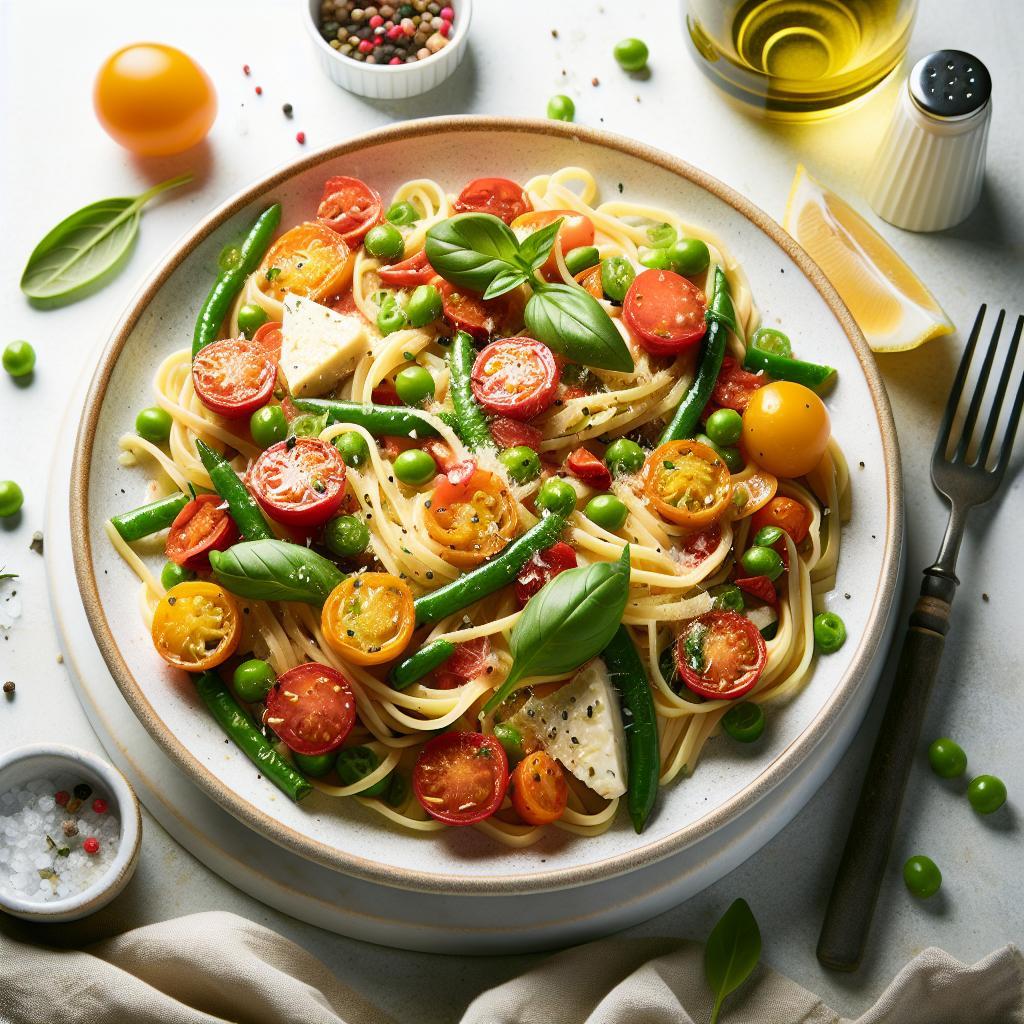
This recipe serves four and focuses on a classic tomato-basil finish that demonstrates core principles: timing, emulsion, and seasoning. You will see how modest ingredients combine when technique concentrates flavor and texture.
Core pantry items drive results: dried pasta, extra virgin olive oil, garlic, onion, canned whole tomatoes, fresh basil, and Parmigiano-Reggiano. Use these as a baseline and adjust according to produce quality and personal taste.
Ingredients (Serves 4)
- 400g dried spaghetti or similar long pasta
- 4 tbsp extra virgin olive oil
- 3 cloves garlic, thinly sliced
- 1 small onion, finely chopped
- 1 can (400g) whole San Marzano–style tomatoes, crushed by hand
- Fresh basil leaves, a handful
- Salt and freshly ground black pepper to taste
- Freshly grated Parmigiano-Reggiano (optional, for garnish)
- 1 tsp red chili flakes (optional)
Prep and Cook Time
Preparation: 15 minutes. Cook: 20 minutes. Total: 35 minutes under normal kitchen conditions. Efficient mise en place keeps timing predictable.
Bring a generous pot of salted water to a vigorous boil before adding pasta, and plan to reserve about ½ cup of cooking water. That starchy water becomes your primary tool for finishing the sauce.
Instructions
Fill a large pot with water, add a large pinch of salt, and bring to a rolling boil. Add spaghetti and cook to al dente according to package directions — typically 8–10 minutes for dried long pasta.
While pasta cooks, heat olive oil over medium heat, sweat garlic until fragrant without browning, then add onion and soften until translucent. Add crushed tomatoes, lower to a simmer, and allow flavors to meld for about 10 minutes so acidity rounds out and texture thickens.
When the pasta reaches al dente, reserve about ½ cup of the cooking water and then drain. Add the pasta to the sauce pan over low heat and toss vigorously, adding hot pasta water a tablespoon at a time to build a glossy emulsion that coats each strand.
Finish by folding in torn basil leaves at the last moment, then plate immediately with a drizzle of extra virgin olive oil and a light dusting of Parmigiano-Reggiano. For context on the cheese’s traditional production and profile, see Parmigiano-Reggiano.
Techniques & Regional Pairings
Match shape to sauce. Long, smooth strands suit emulsified, lighter finishes, while ridged or tubular shapes trap ragù or chunky vegetable bits. This principle underpins regional pairings across Italy.
For example, spaghetti pairs with tomato-based sauces in many southern traditions; egg-enriched ribbons like tagliatelle pair with meat ragù in Emilia-Romagna. A clear primer on common forms appears on the pasta reference page.
Tips for Success
Sauté aromatics gently and control heat to avoid bitter notes. The sauce’s final texture depends on attack — time and temperature — and on how you marry oil, tomato, and starch during finishing.
Use a heavy skillet for even heat and toss pasta in the sauce rather than spooning sauce over plated pasta. Consistent contact allows the emulsion to form and the sauce to adhere evenly.
When selecting canned tomatoes, aim for varieties with balanced acidity and sweetness. Quality here reduces the need for complex adjustments and lets simple seasoning and technique deliver a superior final dish.
Serving Suggestions
Serve this tomato-basil pasta with rustic bread and a crisp green salad to cut richness and refresh the palate. A citrus-forward vinaigrette on the side provides a clean counterpoint to the sauce’s umami.
Complement the plate with a regional starter, like bruschetta or sautéed seasonal greens, to keep the meal coherent and true to Italian meal structure. These pairings emphasize balance between starch, acid, and fat.
Nutrition & Yield Details
Per serving estimates vary with portion size and optional cheese. Prepared as written, each portion runs near 420 calories with a balanced macronutrient profile driven by pasta, oil, and cheese.
Swap whole-grain or legume-based pastas to increase protein and fiber. Those alternatives change mouthfeel and hydration but keep the finishing techniques intact for strong flavor retention.
Regional Notes: Exploring Flavors
Each region expresses local crops through shape and sauce. Northern plates often favor butter, cream, and egg-based pastas, while southern dishes highlight olive oil, tomato, and dried herbs.
Try Ligurian trofie with pesto or Puglian orecchiette with vegetable ragù to see how geography and ingredient availability defined recipes. For a focused example of a long-form shape, review the spaghetti entry for history and use cases.
Insights and Conclusions
Mastering Italian pasta rests on three pillars: ingredient quality, precise technique, and correct pairing of shape and sauce. Each pillar directly affects texture, flavor clarity, and the dish’s overall balance.
Practice deliberate swaps — different shapes, a controlled amount of pasta water, varied herb finishes — to learn how small changes alter results. Repeatable technique yields reliable, regionally honest plates. Buon appetito!
FAQ
What makes pasta al dente preferable?
Al dente provides a pleasing bite while letting pasta continue to absorb sauce after plating. The texture holds up through service and balances mouthfeel with digestibility.
Cooks prefer it because the pasta maintains structure, avoids mush, and improves overall sauce adhesion during tossing and serving.
How should I store leftover sauce?
Cool sauce quickly and refrigerate within two hours in a shallow airtight container. Use refrigerated sauce within 3–4 days for best quality and safety.
For longer storage, freeze in portioned containers and thaw gently before reheating, finishing with a splash of water or olive oil to restore texture.
Can I use fresh pasta for this recipe?
Yes. Fresh pasta cooks far faster and needs gentler handling. Reduce boiling time and add it directly to the sauce, keeping cooking time minimal to avoid over-softening.
Fresh doughs pair excellently with butter or cream finishes, though the same emulsification technique still improves final mouthfeel.
Which cheeses pair best with tomato-based sauces?
Grated Parmigiano-Reggiano or Pecorino Romano add savory depth and umami without masking acidity. Use sparingly to balance the tomato’s brightness.
These cheeses supply salt and crystalline texture that lift the sauce, so finish with a light dusting rather than heavy layering.
How do I select the correct pasta shape for a sauce?
Choose shapes that carry the sauce: ridged and twisted forms hold chunky bits, while long strands suit light emulsified finishes. Texture matching maximizes flavor delivery in each bite.
Test pairings at home and note which shapes cling to sauce and which allow it to slide, then standardize the combinations that work best for your ingredients and preferences.
See also: Italian pasta