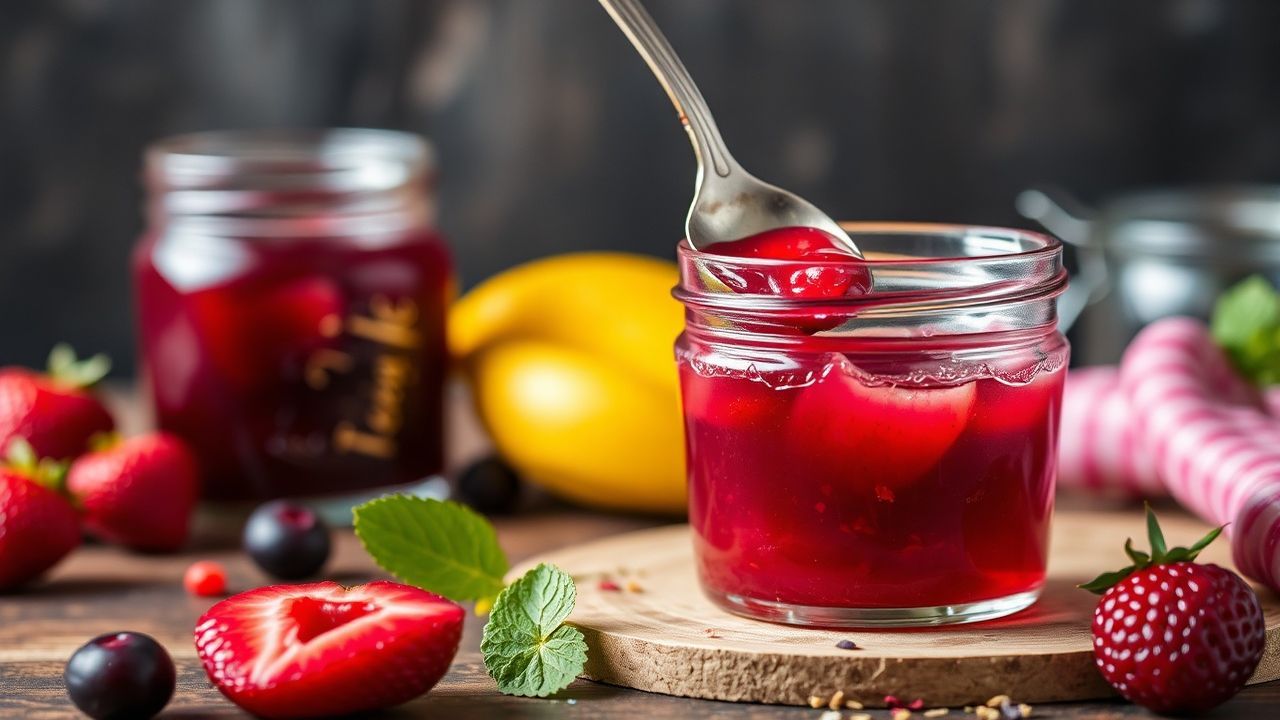

Jam ratio is the single practical control that determines texture, shelf life and flavor clarity when you make jam. Treat the kitchen as a small lab: weigh fruit and sugar, measure acid, and test to reproduce reliable results.
- Measure by weight: the jam ratio (fruit to sugar) is most repeatable when both ingredients are weighed.
- Adjust pectin and acid: change pectin, lemon, or cooking time to hit the desired jam ratio without overcooking flavor.
- Test early and often: use the plate test and temperature checks to confirm your jam ratio outcome before canning.
Recipe overview: jam ratio basics
This recipe converts roughly 4 cups of chopped fruit into four half-pint jars using a practical jam ratio as a baseline. The classic starting point is 1:1 by weight; use that to predict set and preservation first, then tweak for fruit and goals.
Weighing ingredients wins over cups because fruit density and water content vary. A digital scale gives repeatable batches and reliable pectin activation for any chosen jam ratio.
Prep and cook time
Preparation: 20 minutes. Cooking: 30 minutes of active boiling, plus cooling and jar handling. Keep tasks parallel: sterilize jars while the jam comes to a rolling boil to save elapsed time.
Short active times still require monitoring to meet the jam ratio target. Use a thermometer and plate tests to confirm set without guessing.
Yield and difficulty
Yield: About 4 half-pint jars, depending on fruit water and final reduction. Volume will shift if you change the jam ratio or reduce sugar for a fresher flavor.
Difficulty: Medium. Controlling the jam ratio requires attention to sequencing, temperature, and timely testing, but the steps are straightforward for a home preserver.
Ingredients and jam ratio
Use ripe fruit that tastes like the jam you want. Fruit quality strongly influences the jam ratio outcome because natural pectin and acidity vary by species and maturity.
Sample ingredient list follows a flexible jam ratio approach with a modest pectin boost for consistency across fruits. Adjust sugar based on taste and whether you add commercial pectin.
- 4 cups fresh fruit, chopped (berries, apples, stone fruit, etc.)
- 3 cups granulated sugar (adjustable for your jam ratio and pectin strategy)
- 1 tbsp fresh lemon juice (acidity aids setting)
- 2 tsp powdered fruit pectin (optional for low-pectin fruit)
- 1/2 cup water (only if fruit is very dry)
Step-by-step instructions to hit the jam ratio
Sequence matters: fruit, acid, pectin, then sugar. That order gives the most reliable gel formation and lets you correct acidity before adding sugar that binds water.
Stir frequently and control the boil to prevent scorching and uneven set. Use a wide, heavy-bottomed pot to speed evaporation if you need a quicker reduction to reach the target jam ratio.
- Place chopped fruit in a large saucepan with the measured water and gently mash to release juices.
- Stir in lemon juice to set acidity; acid optimizes pectin performance within your jam ratio plan.
- Sprinkle pectin and stir to avoid lumps; bring to a full boil over medium-high heat.
- Add sugar gradually while maintaining a rolling boil to activate gel setting and reach the planned jam ratio concentration.
- Boil hard for 1 minute for most pectin blends, then remove from heat and skim foam for clarity.
- Use a chilled plate test or check temperature—aim for about 220°F (104°C) at sea level—for a reliable jam ratio endpoint.
- Ladle hot jam into sterilized jars, leave 1/4 inch headspace, seal, and cool upright until lids pop or refrigerate for short-term storage.
Science of setting: jam ratio, pectin, sugar, and acid
The gel forms when pectin molecules form a network that traps water. Natural pectin varies by species; apples and citrus have more pectin, while many berries have less, which changes how the jam ratio behaves.
Sugar binds free water and concentrates pectin and acid, so sugar level is integral to the jam ratio. For technical background read about pectin and how it gels with sugar and acid.
Acidity influences the pectin network strength and final texture. Consult an overview of jam preservation and methods when you plan low-sugar variants.
Temperature and time move the system toward your jam ratio endpoint by evaporating water and activating commercial pectin. Overcooking breaks down pectin and flattens flavor, so adjust heat and time, not just sugar.
For shelf-stable jars at room temperature, standard sugar levels plus proper canning seals provide predictable preservation. If you reduce sugar, follow tested commercial pectin instructions and accepted canning protocols.
Tips for consistent jam ratio success
Test fruit for sweetness and acidity before you start to guide sugar and lemon adjustments. Small shifts in the jam ratio make large differences in flavor and set.
Match pectin to fruit. Use less added pectin with high-pectin fruit and more for low-pectin berries to shorten cooking and preserve bright flavor while achieving the desired jam ratio.
- Perform chilled-plate tests and temperature checks; both together confirm your jam ratio result.
- Weigh fruit and sugar; a scale reduces batch-to-batch variation and locks in the jam ratio for repeatable jars.
- Keep stirring during the rolling boil and use a wide pot to speed evaporation without overcooking flavor.
Serving suggestions
Use jam for breakfast or to finish plated desserts where the sugar-acid balance matters. A correct jam ratio gives spreadable texture without syrupiness or a hard candy set.
Gift jam with clear labels describing whether jars are shelf-stable or need refrigeration. If you used a lower sugar jam ratio, note the recommended storage and best-by guidance.
Practical troubleshooting: jam ratio fixes
If jam fails to set, check acidity and pectin. Add a measured amount of commercial pectin and bring the mixture back to a rapid boil, then retest; that often rescues a jar rather than discarding the batch.
Adjust for elevation: boiling point drops as elevation rises, which changes the temperature needed to reach your jam ratio concentration. Compensate with a higher thermometer target or longer boiling time as appropriate.
FAQ
What is the best fruit-to-sugar ratio?
The classic starter is 1:1 by weight because it balances flavor, set, and preservation for many fruits. Use that jam ratio as a baseline and adjust for tartness or natural pectin differences.
If you reduce sugar, add pectin formulated for low-sugar recipes and test jars for set and shelf stability before wide-scale canning.
Can I make low-sugar jam and keep jars at room temperature?
Low-sugar jam usually needs refrigeration or freezing for acceptable quality over time. Sugar acts as a preservative by binding water and reducing microbial activity.
To attempt shelf-stable low-sugar jam, use tested reduced-sugar pectin products and established canning protocols to protect quality and safety.
How does pectin type affect the jam ratio?
Commercial pectin comes in regular, low-sugar, and no-sugar types; each behaves differently with temperature and sugar levels. Always follow the pectin maker’s directions to match the jam ratio goals.
When in doubt, trial a small batch and record weight ratios, pectin amounts, and cooking times to perfect scale-up plans.
What practical tests confirm jam is ready?
Use the chilled-plate test: a spoonful on a cold plate will wrinkle when pushed if set is sufficient. Pair that with a thermometer reading near 220°F (104°C) at sea level for a robust confirmation of your jam ratio endpoint.
Both tests together ensure the desired concentration and the sensory texture you want before bottling and sealing jars.
Where can I read more about the science behind jam ratio and preservation?
For accessible technical background, review articles on sugar and food preservation. These entries explain how sugar, water activity, and acidity affect safety and shelf life.
Also consult the jam overview for historical methods and tested principles that align with modern jam ratio practices.
Apply these scientific rules and log your experiments; a measured jam ratio produces predictable texture and brightness across fruits. Keep notes and tweak pectin, acid, and time until each fruit sings in its jar.
See also: Jam ratio tag and Related recipes
Recommended Reading:
- 7 Simple Steps to Perfect Chia Jam: Quick, Low-Sugar Chia Seed Jam
- 7 Pro Tips to Make Stevia Jam at Home
- Berry Bliss: 7 Expert Steps to Perfect Coulis