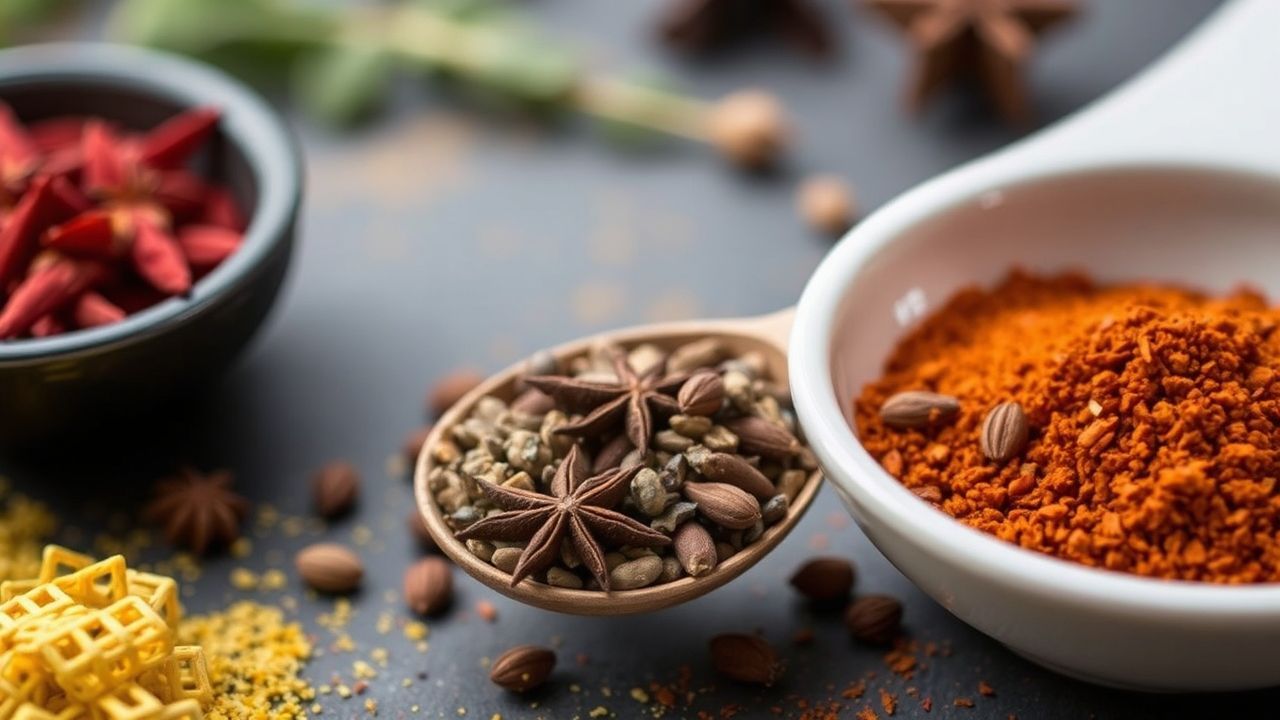

There’s something about Tuscany in a jar
There’s something magical about the sun-soaked hills of Tuscany and the way simple herbs carry complex flavor. A proper Tuscan spice blend channels rustic herb tones, warm pepper, and faint anise notes to lift meat, vegetables, and bread alike. By controlling each step, you capture that regional character consistently.
- There’s something about Tuscany in a jar
- Understanding the Aromatic Foundations of Tuscan Spices
- Selecting the Finest Herbs and Ingredients for Authentic Flavor
- Step-by-Step Guide to Balancing the Perfect Blend
- Tips for Storing and Using Your Tuscan Spice Mix
- Prep, Cook Time and Yield
- Ingredients
- Instructions
- Chef’s Notes
- Serving Suggestions
- Nutrition
- Q&A
- FAQ
- Key balance: herb backbone with a subtle anise and garlic lift.
- Technique matters: toast whole seeds, then grind for freshness.
- Storage: airtight glass jars preserve aroma up to six months.
- Versatility: rubs, focaccia toppings, infused oils and stews.
Understanding the Aromatic Foundations of Tuscan Spices
Tuscan cuisine emphasizes a few quality ingredients combined with restraint. Think of herbs as the architectural elements: rosemary, thyme and sage form the load-bearing walls while garlic and seeds provide texture.
For regional context, see Tuscany which explains the agricultural and culinary roots that shaped these herb-forward profiles. That history clarifies why the blend remains simple yet layered.
Selecting the Finest Herbs and Ingredients for Authentic Flavor
Choose dried herbs that still smell bright; freshness matters far more than organic labeling alone. Dried herbs concentrate flavor, so measure by weight when possible to keep ratios reliable across batches.
Learn the plant profiles via botanical references like rosemary and thyme pages to understand aroma compounds and why needle-like or tiny leaves behave differently when crushed. That knowledge helps you tweak intensity safely.
Core ingredients
- Rosemary: needle-like leaves with piney aroma
- Sage: velvety leaves with subtle peppery depth
- Thyme: tiny leaves packed with earthy fragrance
- Fennel seeds: sweet, slightly licorice aromatic seeds
- Garlic powder: for savory, warm undertones
- Crushed red chili flakes (optional): gentle heat
- Black peppercorns: freshly ground for piquancy
When you buy, inspect jars for background odors; if a jar smells flat or musty, replace it. Good spice handling saves time and ensures consistent dishes.
Step-by-Step Guide to Balancing the Perfect Blend
Balance comes from measured ratios and small test adjustments. Start with a base ratio, then fine-tune on a small sample before scaling up.
Use a kitchen scale and a neutral-tasting cracker for testing. Tasting allows you to evaluate intensity, bitterness and the interplay of herbal and anise notes in real food context.
- Measure dried herbs precisely: Use a scale where possible; cup measures vary by herb density.
- Lightly toast fennel seeds and peppercorns: Heat in a dry skillet over medium until aromatic, 1–2 minutes.
- Grind toasted seeds: Use a spice grinder or mortar and pestle to preserve oils and freshness.
- Combine: Mix ground seeds with crushed rosemary, sage, thyme and garlic powder until uniform.
- Adjust: Increase rosemary for pine notes, or add chili flakes for heat. Test on a neutral base.
For technical clarity, toasting releases essential oils and changes volatile compound profiles. Therefore, always cool spices before grinding to avoid heat damage to oils.
Also, consider particle size. Finer powder disperses quickly and yields immediate aroma, while coarser flakes build slow-release pockets of flavor during roasting.
Tips for Storing and Using Your Tuscan Spice Mix
Store blends in small, airtight glass jars away from heat and light. Label jars with the date; most dried blends retain vibrancy for about six months when stored correctly.
Use your blend as a dry rub, a topping, or to infuse oil. For infused oil, warm oil gently with a teaspoon of blend for 2–3 minutes, then cool and strain if you prefer a clean finish.
To preserve texture, do not grind the entire batch until you plan to use much of it. Keep a working jar and a larger sealed container for longer storage.
Prep, Cook Time and Yield
Time investments remain small but strategic. Most batches take under 15 minutes from start to finish, with the toasting step requiring attention to avoid charring.
Yield depends on your ratio, but the sample recipe below yields roughly 1/2 cup. That amount supports several dishes while staying fresh in a single jar.
- Prep Time: 10 minutes
- Cook Time (toasting): 2 minutes
- Total Time: 12 minutes
- Yield: About 1/2 cup
Ingredients
- 2 tbsp dried rosemary, crushed
- 1 tbsp dried sage
- 1 tbsp dried thyme
- 1 tsp fennel seeds
- 1 tsp garlic powder
- 1/2 tsp crushed red chili flakes (optional)
- 1 tsp black peppercorns
These proportions create a balanced, versatile mix. Adjust herbs by small increments to personalize the profile without losing the Tuscan character.
For stability, grind seeds finer than the dried herb flakes so the blend distributes evenly when sprinkled or rubbed on food.
Instructions
- Toast seeds: Heat a dry skillet over medium and toast fennel seeds and peppercorns, shaking frequently until aromatic, 1–2 minutes. Avoid browning.
- Grind: Cool then grind seeds to a fine powder with a mortar and pestle or spice grinder.
- Mix: Combine crushed rosemary, sage, thyme, garlic powder, chili flakes (if using) and ground seeds in a bowl.
- Combine thoroughly: Stir until uniform and transfer to an airtight jar. Label with the date.
Always cool toasted spices before sealing to prevent condensation inside the jar. Moisture shortens shelf life and reduces aroma.
If you scale the recipe, keep the herb-to-seed ratio consistent. Weight-based scaling maintains expected flavor relationships across batches.
Chef’s Notes
Freshness beats fancy packaging. When jars sit near the stove or direct sunlight, they degrade faster. Rotate stock so older jars get used first.
Substitutions are straightforward: anise seed can mimic fennelôs licorice when fennel is unavailable. However, be conservative when replacing core herbs to preserve the regional identity.
For high-volume cooks, pre-mix larger batches but store in multiple small jars. That reduces exposure each time you open a jar and prolongs overall freshness.
Serving Suggestions
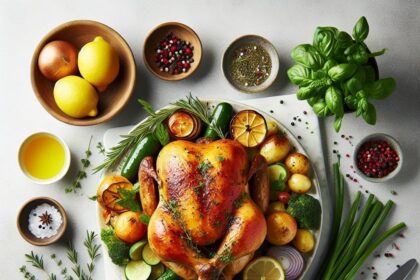
This mix excels on roasted chicken, grilled lamb and pan-roasted vegetables. It also finishes focaccia before baking to add an herbaceous crust.
For a quick elevating trick, stir a teaspoon into olive oil and use it as a dipping sauce. Learn more about olive oil characteristics on olive oil to select the right bottle for infusion.
See our Comprehensive Guide to Italian Herbs for pairings and try it on our focaccia recipes for classic results. Those internal resources help you adapt the blend to specific dishes.
Nutrition
Herb blends contribute minimal calories but provide micronutrients and flavor that reduce the need for salt. Use sparingly if you monitor sodium, though this blend itself contains none.
| Nutrition (per tsp) | Calories | Protein (g) | Carbs (g) | Fat (g) |
|---|---|---|---|---|
| Tuscan Spice Blend | 6 | 0.2 | 1.1 | 0.1 |
Remember that when used as a rub or in oil, the final dish’s nutrition depends mainly on the protein or fat you add, not the herbs themselves.
Q&A
Below are concise answers to the most common technical questions about building and using this blend. They reinforce practical decisions for home cooks.
If you have a variation you prefer, document it and test on neutral carriers so you reproduce what works for you.
Q1: What makes a Tuscan spice blend unique?
Its restraint. The blend relies on a herbal backbone—rosemary, thyme and sage—with modest accents from fennel, garlic and pepper. The overall profile remains earthy and savory rather than overly spiced.
Q2: Why make your own instead of buying pre-made?
Control and freshness. You select quality raw ingredients, control salt and fillers, and adjust intensity to match your cooking. Fresh-ground seeds give a noticeably brighter result than many commercial mixes.
Q3: Can I use fresh herbs instead of dried?
For a shelf-stable blend, dried herbs work best because they concentrate flavor and last far longer. Fresh herbs shine in cooked dishes and can be added during preparation for immediate aroma.
FAQ
How long will my homemade Tuscan spice blend stay fresh?
Stored in an airtight glass jar away from light and heat, expect peak aroma for about six months. For best results, use smaller jars and replace jars every six months.
Can I substitute other seeds for fennel?
Anise seeds provide a similar sweet licorice note but use them sparingly since they can dominate. Test small batches before committing to larger swaps.
Should I grind the whole batch at once?
Grind only what you expect to use within a few weeks. Grinding increases surface area and accelerates flavor loss; whole or coarser components last longer.
Will this blend work in vegetarian dishes?
Absolutely. The herbal and aromatic profile suits roasted vegetables, legume stews and grain bowls. It adds savory depth without animal products.
What is the best way to test balance before cooking?
Rub a small amount on a plain piece of bread or a neutral cracker and bake or toast it briefly. That method reveals how the blend behaves under heat and whether it needs sweeter or more herbal notes.
Embrace experimentation, document proportions, and you will create a consistent, signature Tuscan spice blend that elevates everyday cooking.
See also: Tuscan spice