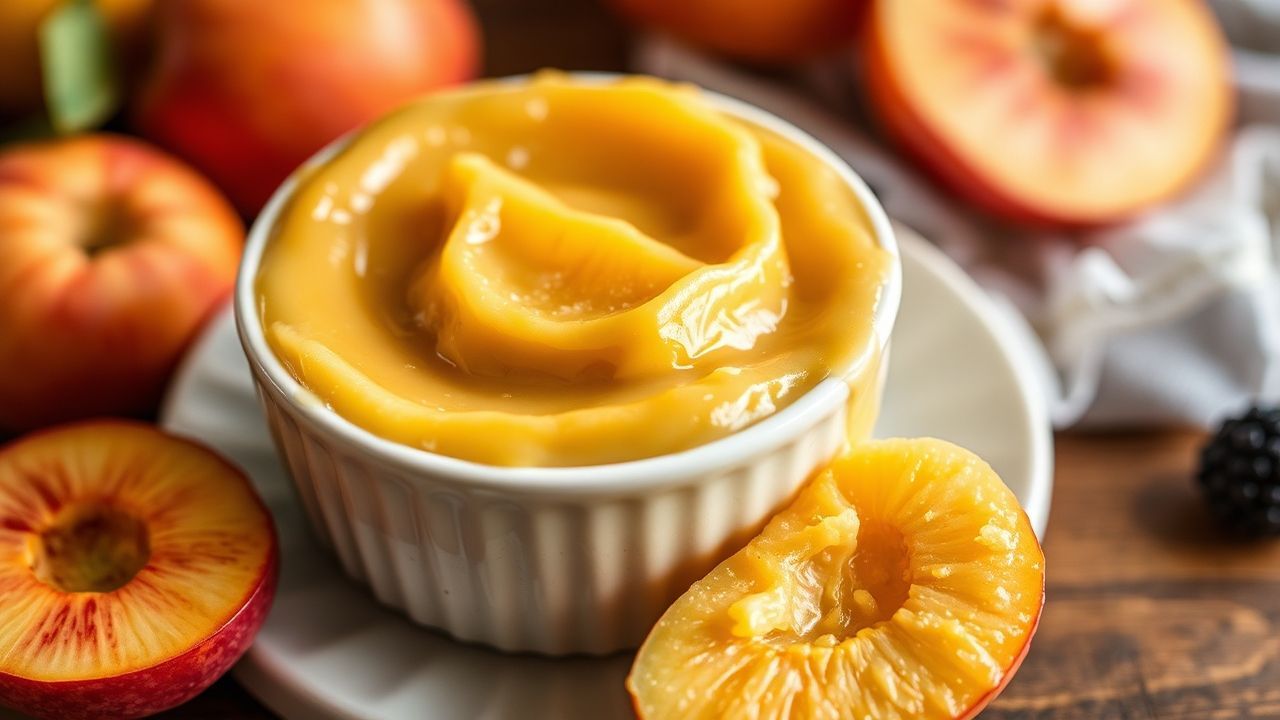

There is a uniquely comforting aroma when fruit slowly reduces into a glossy, concentrated spread. Oven-baked fruit butter captures that warmth with a hands-off method that deepens flavor and softens texture.
- Hands-off method: Low oven heat minimizes stirring while encouraging caramelization.
- Versatile output: Use stone fruits, apples, or berries for varied flavor profiles.
- Storage options: Refrigerate short-term or preserve safely with proper canning for long-term use.
- Texture control: Blend to smooth or pulse for chunkier spreads.
What is Oven-Baked Fruit Butter?
Oven-baked fruit butter is a smooth, concentrated fruit spread made by slow-roasting pureed fruit until most of the water evaporates and natural sugars caramelize. The result resembles traditional apple butter but works with many fruits and less active stirring.
Compared with jam or jelly, fruit butter relies on reduction rather than pectin to thicken, producing a silky texture and deep, caramelized notes. For background on related preserves, see apple butter and jam on Wikipedia.
Prep and Cook Time
Preparation: 15 minutes. Prepare fruit by peeling and chopping to uniform pieces for consistent cooking.
Cooking: 3–5 hours at low oven temperature with periodic stirring; total time depends on fruit water content and desired thickness. Slow heat concentrates sugars and develops a deeper color.
Yield and Difficulty
This recipe yields approximately 3 cups, which is about six 1/2-cup servings. Scale volume up or down; larger batches require longer reduction time but give consistent texture once you monitor evaporation.
Difficulty: Easy. The oven method reduces hands-on time, making this technique accessible to beginners and efficient for experienced cooks. Use basic kitchen tools: a Dutch oven or deep baking dish and an immersion blender or food processor.
Ingredients
Measure ingredients before starting to keep the process smooth. Use ripe, fragrant fruit for best natural sweetness and aroma.
Core ingredients include fruit, a small amount of liquid to kick-start the cooking, a balancing sweetener if needed, spices, vanilla, and salt. Choose fruit with enough natural sugars to caramelize; apples and peaches perform especially well.
- 6 cups ripe fruit (apples, peaches, pears, or berries), peeled and chopped as needed
- 1/2 to 3/4 cup granulated sugar or sweetener of choice
- 1/4 cup apple cider or orange juice
- 1/2 tsp ground cinnamon
- 1/4 tsp ground nutmeg
- 1/4 tsp ground cloves (optional)
- 1 tsp pure vanilla extract
- Pinch of salt
Step-by-Step Instructions
Follow clear stages: prepare fruit, combine, slow-bake, puree, and finish. Each stage influences final texture and flavor, so give each one attention.
Heat control and periodic stirring prevent scorching and ensure uniform reduction. Use an oven-safe pot with a tight lid or foil to regulate evaporation during the initial slow-bake.
- Prepare Fruit: Choose ripe fruit free of bruises; peel apples and peaches for a smoother finish. Chop fruit into uniform pieces so they break down evenly during long, low heat.
- Combine Ingredients: Place fruit, sugar, juice, spices, and salt in a Dutch oven or deep baking dish; stir gently to combine. The liquid helps launch the reduction without diluting flavor as long as you monitor evaporation.
- Slow Bake: Cover and bake at 275°F (135°C) for 3 to 5 hours, stirring every hour to prevent sticking. The fruit will collapse, concentrating sugars and developing a rich, jammy color.
- Puree: Once the fruit is soft and reduced, puree with an immersion blender or food processor until smooth. Return to the oven uncovered for 15–20 minutes if you want a thicker finish.
- Finish: Stir in vanilla and cool slightly before transferring to clean jars. Chill for short-term use or follow safe canning if you plan long-term storage.
Chef’s Notes and Variations
Switch fruit for seasonal interest: stone fruits give floral notes, while apples create caramelized depth. Combine fruits for balance—peach pairs well with berries to temper sweetness with acidity.
Adjust sugar based on fruit sweetness; honey or maple syrup work as substitutes and add complementary flavors. Taste as you go, because the cooking process concentrates sweetness.
For a chunkier texture, pulse the puree briefly rather than blending to a velvet finish. If you prefer ultra-smooth butter, pass the blended mixture through a fine-mesh sieve for the silkiest mouthfeel.
Safety and Storage
Store fruit butter in sterilized, airtight jars for the best shelf life in the refrigerator for up to two weeks. Freeze portions for longer storage; thaw in the refrigerator before use.
For pantry storage, apply tested home-canning methods and follow accredited guidance. Properly processed jars will last months when sealed and stored in a cool, dark pantry.
Consult reputable sources on home preservation techniques before canning. Reliable procedures reduce risk and protect flavor integrity during storage.
Serving Suggestions
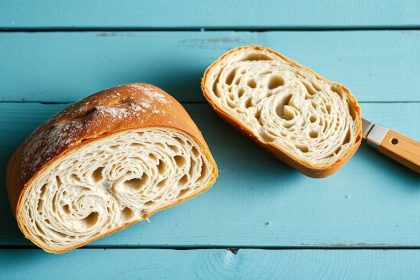
Serve warm on toasted bread, spread on biscuits, or as a component on a cheese board that contrasts sharp and sweet flavors. The concentrated sweetness pairs exceptionally well with tangy cheeses and roasted meats.
Try fruit butter stirred into yogurt, swirled into oatmeal, or used as a filling for pastries and crepes. It also makes a thoughtful homemade gift when presented in small jars with a simple label.
- Spread on warm toast or biscuits for breakfast or snacks.
- Swirl into yogurt or oatmeal to add natural fruit flavor without extra sugar.
- Use as a glaze for roasted pork or poultry to add an acidic-sweet counterpoint.
- Fill hand pies or layer in tarts for concentrated fruit flavor.
Nutrition Snapshot
A typical 1/4-cup serving contains about 70 calories and provides concentrated carbohydrates from fruit sugars. Fruit butter offers minimal fat and only small amounts of protein.
Nutrition varies by fruit and added sweetener; reduce added sugar for a lighter profile or choose natural sweeteners to alter flavor and calorie composition. Use a nutrition calculator to adjust figures for your specific fruit blend.
| Nutrient | Per 1/4 cup |
|---|---|
| Calories | 70 |
| Protein | 0.4 g |
| Carbohydrates | 18 g |
| Fat | 0 g |
Additional Resources
Read about fruit varieties and their sugar profiles to select the right base for your butter. For example, peaches have distinctive aromatic compounds; see peach for botanical context.
Learn more about safe home preservation from general overviews on food preservation and specifics on canning. These pages outline principles that inform safe jar handling and storage.
FAQ
What exactly makes fruit butter different from jam or preserves?
Fruit butter reduces fruit to a smooth, concentrated spread by long, low-heat cooking until most water evaporates. Jam often contains visible fruit pieces and relies on pectin to set, while jelly uses fruit juice for a clear, gelled result.
Fruit butter emphasizes caramelization and a silky texture over gel structure, producing a spread that clings to bread without running. The lack of added pectin creates a spreadable, spoonable finish rather than a firm set.
Can I make fruit butter without adding sugar?
Yes; many ripe fruits contain enough natural sugar to make fruit butter without additional sweeteners. Reduce or omit added sugar when working with very ripe or naturally sweet fruit varieties.
Use natural sweeteners like honey or maple syrup to adjust taste if fruit is too tart, and remember that reduction concentrates flavors. Taste after pureeing and adjust before final oven time for precise control.
How do I achieve the perfect texture for spreading?
Texture depends on reduction and blending. Blend to full smoothness for a velvety butter or pulse briefly for a chunkier result; finish in the oven uncovered if you want extra thickness.
Monitor consistency by testing a spoonful on a chilled plate; if it holds its shape and feels glossy, it is ready. Cooling also thickens the butter slightly, so allow jars to rest before labeling final consistency.
How long does homemade fruit butter keep, and what are the storage options?
Refrigerated fruit butter keeps for about two weeks in clean, airtight jars. For longer storage, freeze in portion-sized containers or use proper canning methods to preserve jars for several months.
Follow accredited canning procedures if you need pantry-stable jars, and ensure you use tested recipes and processing times. Improper canning can lead to spoilage, so follow established guidance when sealing jars for room-temperature storage.
Which fruits work best in oven-baked fruit butter?
Apples, pears, peaches, and plums make excellent bases due to their balanced sugars and flesh structure. Berries and tropical fruits like mango will work but may require adjusted sugar and shorter cooking times to avoid over-reduction.
Mix fruits to offset acidity and sweetness; for example, blend tart berries with a sweeter stone fruit for complexity. Match spice choices to fruit type—cinnamon and nutmeg complement apples, while cardamom pairs well with stone fruits.
See also: fruit butter