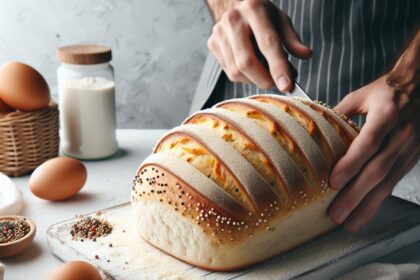
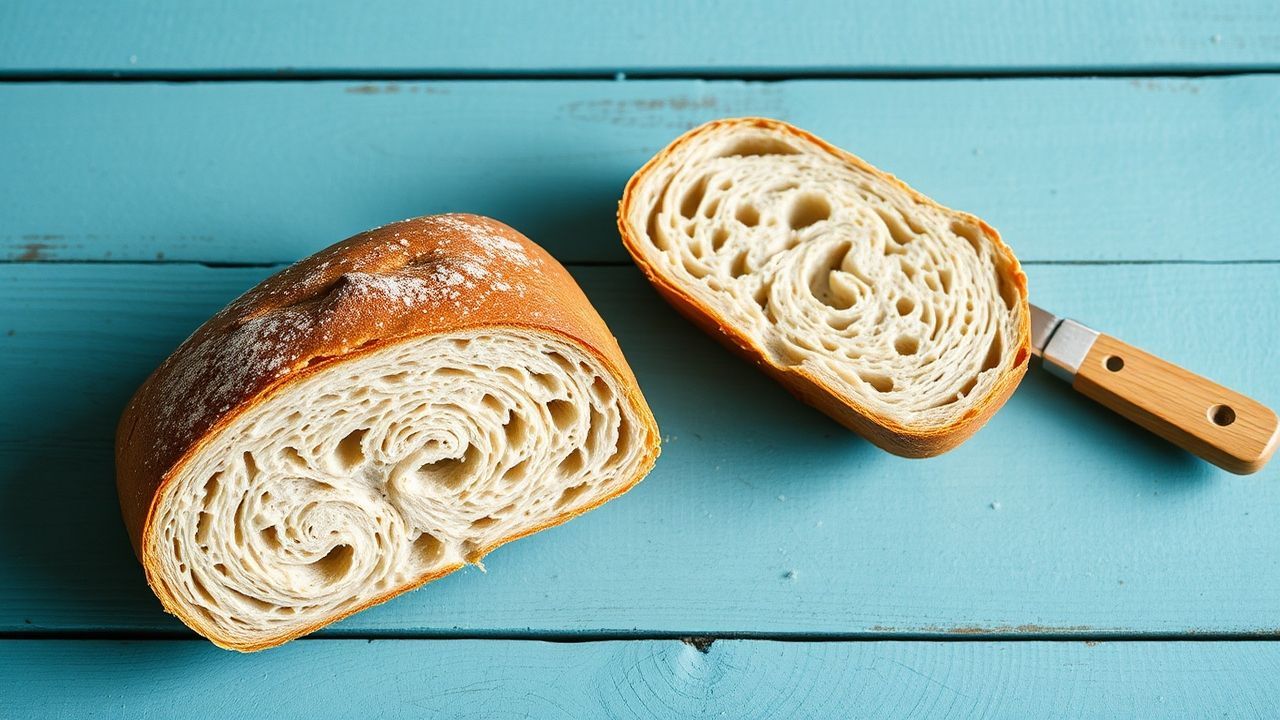

There’s something undeniably charming about the crackle of a fresh loaf—the warm aroma, tender crumb and irresistible crust. When a loaf goes stale it loses moisture but gains versatility; treated correctly, those dry slices become textured ingredients that enrich soups, salads and baked dishes.
- Stale bread absorbs flavors and stabilizes wet mixtures like strata and meatballs.
- Minimal effort yields high value: croutons, breadcrumbs and puddings reduce waste and save money.
- Simple techniques restore texture without masking the original loaf’s character.
- Sustainability bonus: repurposing bread lowers household food waste.
Why stale bread works
Stale bread dries as moisture migrates out of the crumb into the crust. That drying changes texture but leaves starches and proteins intact, so the loaf still functions as structural and flavor-building material.
Because the crumb has less free water, it soaks up custards, stocks or dressings more predictably. For technical background on the carbohydrate behavior that drives this process, see starch.
Prep and cook time
Preparation: 15 minutes. Cooking: 25 minutes. Total active time sits around 40 minutes, though make-ahead steps can extend this into overnight chilling.
Plan for passive time when you want deeper infusion. For instance, a strata improves after 30–60 minutes of soak time, while homemade breadcrumbs require low-temperature drying that can take longer.
Yield
This recipe yields enough for 4 people as a main or 6 as an appetizer. The final serving count varies with portion size and whether you pair the dish with sides.
Scale easily by weight: one standard country loaf (about 1 lb) yields roughly 3–4 cups cubed, suitable for a 9-inch baking dish or two smaller casseroles.
Difficulty level
Level: Medium. The technique relies on basic pan skills—sauté, whisk and bake—rather than advanced pastry timing. Execution depends on accurate soak time and even cubing.
If you know how to sauté aromatics and combine a custard, you can produce consistent results. Small adjustments, like milk fat or bread type, tune texture and richness.
Ingredients
Core components:
- 4 cups day-old bread cubes (rustic sourdough or country loaf preferred)
- 3 tbsp extra-virgin olive oil
- 1 medium onion, finely chopped
- 2 cloves garlic, minced
- 1 cup cherry tomatoes, halved
- 1 cup sautéed wild mushrooms (shiitake or cremini), chopped
- 1 tsp fresh thyme leaves
- 2 large eggs
- 1 cup whole milk
- 1/2 cup grated hard cheese
- Salt and freshly ground black pepper to taste
- Fresh basil leaves for garnish
Choose bread with a firm crumb: open-crumb artisan loaves absorb nicely while holding structure. Avoid heavily sweet or flavored breads if you want a purely savory result.
Instructions
Follow these steps for a savory bread strata that highlights repurposed bread. The method transfers directly to bread puddings, stuffing and layered bakes.
- Preheat the oven to 375°F (190°C). Grease a 9-inch baking dish or line with parchment.
- Heat olive oil in a skillet over medium heat. Add onion and garlic; sauté until soft and fragrant, about 5 minutes.
- Add tomatoes and mushrooms to the skillet and cook 4–5 minutes until softened. Stir in thyme, then season with salt and pepper and remove from heat.
- Whisk eggs and milk in a bowl with half the cheese until combined.
- Combine bread cubes with the sautéed vegetables in a separate large bowl and toss lightly so ingredients distribute evenly.
- Pour the custard mixture over the bread, stirring gently to coat and allow the bread to soak.
- Transfer the mixture to the prepared dish, level the surface and sprinkle remaining cheese on top.
- Bake for 25 minutes or until the custard sets and the top turns golden brown.
- Rest briefly before slicing. Garnish with basil and serve warm.
Adjust bake time slightly for deeper fillings or denser bread. For a richer finish, swap half the milk for cream or use a whole-milk yogurt blend in the custard.
Tips for success
Texture control: Use bread that is one to two days old for optimal absorption and structure. Too-fresh bread will collapse; too-dry may need a short soak in warm water.
Flavor layering: Roast or sweat vegetables first so liquids in the custard act mainly to bind, not to cook raw ingredients. This preserves bright tomato and herb notes in the final bake.
- For crunchy toppings, broil 2 minutes at the end, watching closely.
- Substitute mushrooms with roasted bell pepper or zucchini for seasonal variation.
- Use non-dairy milk to create a dairy-free version; add a tablespoon of olive oil per cup to maintain richness.
Make-ahead: assemble through step 7, cover tightly and refrigerate up to 24 hours. Bake directly from chilled for a fresher top and reliable texture.
Serving suggestions
This savory strata pairs well with a crisp green salad dressed simply with lemon and olive oil. A bowl of roasted tomato or vegetable soup complements the strata’s savory depth.
For seasonal presentation, add microgreens, a drizzle of herb oil or pickled shallots. These small touches enhance mouthfeel and highlight contrasts between crunchy top and soft interior.
Explore related sustainable cooking ideas on our internal resource pages: zero waste kitchen ideas and practical recipes at no-waste recipes. These internal guides expand techniques for repurposing leftovers across meals.
Nutritional note
Per serving estimates depend on bread type and dairy choice. A typical serving provides complex carbohydrates, moderate protein and variable fat depending on milk or cheese used.
Using whole-grain or seeded loaves increases fiber and micronutrient density. To lower calories, choose low-fat milk and reduce cheese; to increase satiety, add legumes or a side salad.
Q&A
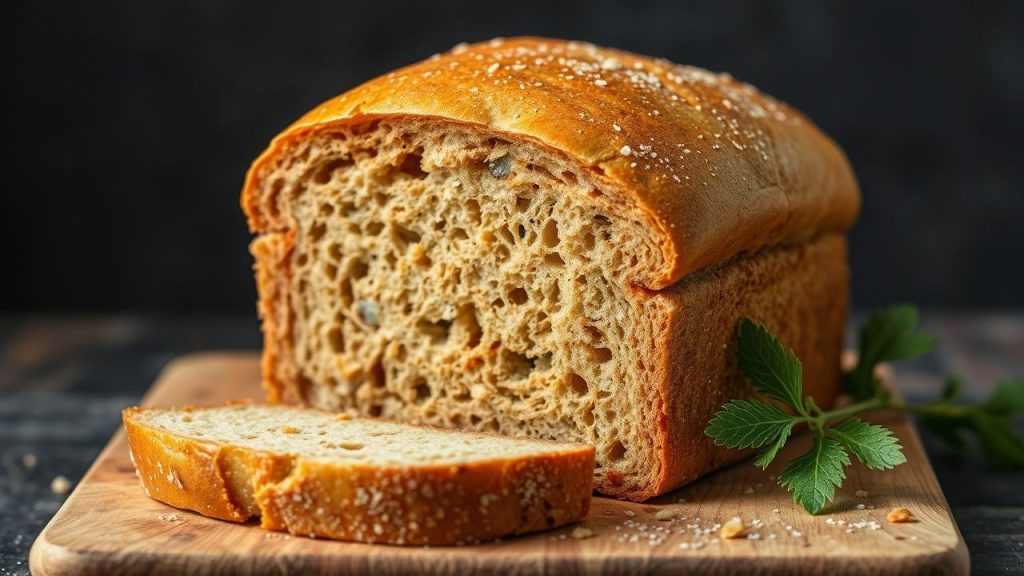
Repurposing stale bread reduces food waste and unlocks versatile textures. Quick uses include crostini, French toast, crumb toppings and as a binder in savory patties.
Safety tip: discard any loaf with visible mold or a strong sour/fermented smell. Dryness alone signals staleness—not spoilage—so it remains safe for culinary reuse.
Practical variants
Transform stale bread into classic preparations: make croutons for salads, panzanella-style salads, or a luxe bread pudding for dessert. Each technique highlights a different textural payoff.
For crunchy crumbs, dry the bread thoroughly and pulse in a food processor. For custardy bakes, allow the bread to soak fully so the custard distributes evenly without leaving dry pockets.
Explore taste-rooted examples on reference pages that explain culinary forms: learn background on bread pudding, the classic salad panzanella, and the humble crouton to match technique to outcome.
FAQ
Q: How can I tell if bread is safe to reuse?
Look for mold, an off odor or discoloration—these indicate spoilage. If bread is merely dry and odorless, it is safe to repurpose.
Q: Can I freeze bread to prevent staling?
Yes. Freeze whole loaves or slices and thaw as needed. Freezing pauses physical staling and preserves crumb structure for future recipes.
Q: What breads work best for savory revivals?
Rustic sourdough, country loaf and baguettes offer sturdy crumb and neutral flavor. Sweeter enriched breads suit desserts more than savory bakes.
Q: How do I make crunchy homemade breadcrumbs?
Dry cubed bread at low heat until crisp, then pulse to the desired texture. Season crumbs for coatings or toppings to add immediate flavor.
Q: Does stale bread add nutrition to dishes?
Stale bread retains the same macronutrients as fresh bread. Choosing whole-grain loaves increases fiber and micronutrients compared with refined white bread.
For scientific context on carbohydrate behavior in baked goods, consult the general overview at bread and the role of starches via starch.
In summary
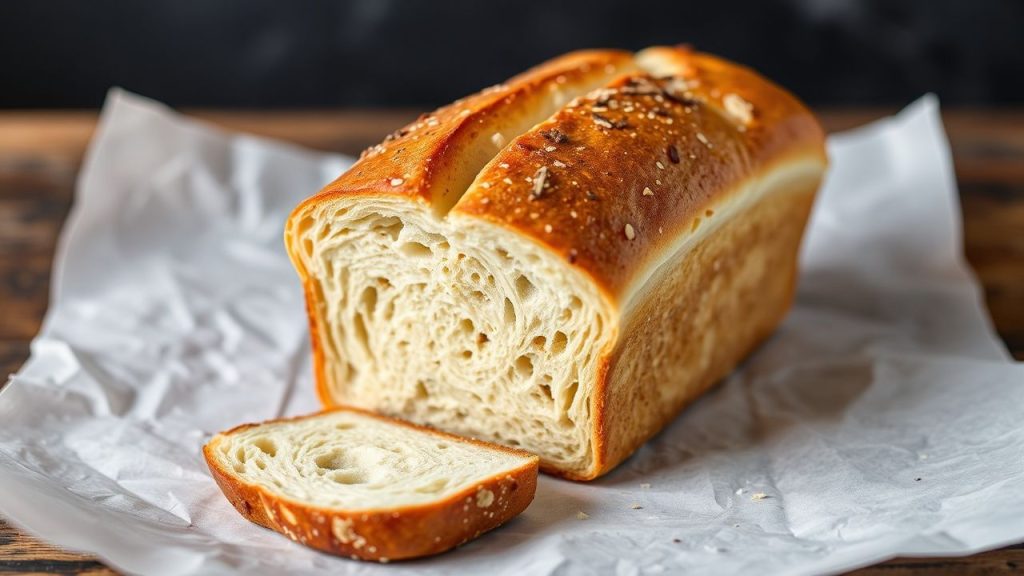
Stale bread offers predictable absorption, useful structure and low-cost flavor enhancement. With straightforward prep—drying, soaking or toasting—you convert leftovers into standout dishes.
Embrace these techniques to reduce waste and expand your home-cook toolbox. Repurposing bread rewards you with texture, savings and surprising culinary possibilities.
See also: stale bread