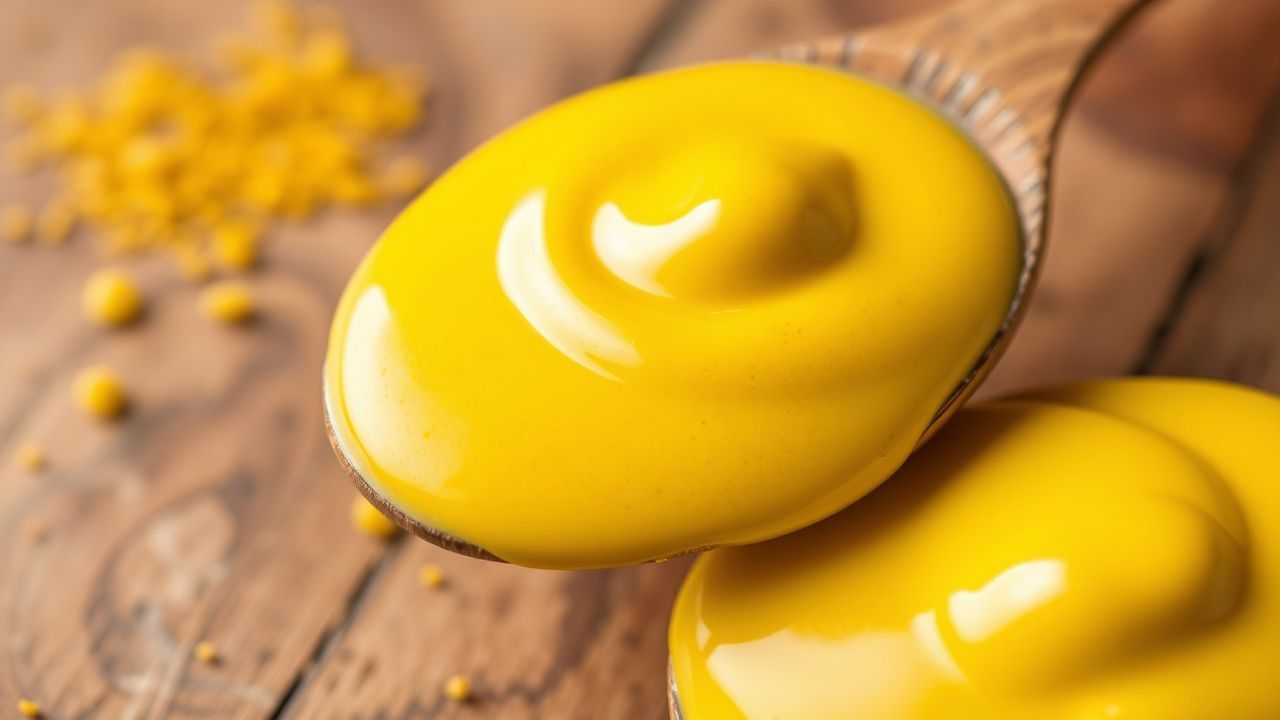

Mustard history begins as more than a smear of yellow; it tracks trade, technology and taste from early grain stores to today’s chefs. This account follows nine moments that reshaped how cooks and cultures used mustard seeds and sauces.
- Origins and Early Uses in Mustard History
- Roman and Medieval Evolution in Mustard History
- Seed Types and Processing in Mustard History
- Mustard in Modern Cuisine and Mustard History
- From Pantry to Plate: A Mustard-Glazed Roast Chicken (Mustard History Applied)
- Prep and Cook Time
- Yield and Difficulty
- Ingredients
- Instructions
- Chef’s Notes and Tips for Mustard History Practitioners
- Serving Suggestions and Leftovers (Mustard History in Practice)
- Nutritional Snapshot
- Historical Context and Trusted Sources for Mustard History
- Q&A
- At a glance: mustard seeds moved on ancient trade routes and became culinary staples.
- Seed science: species and processing determine heat and aroma.
- Culinary shift: from preservative use to a layered ingredient in modern cuisine.
- Practical: simple technique changes boost mustard flavor dramatically.
Origins and Early Uses in Mustard History
Archaeological finds place mustard seeds in early agrarian centers, where people stored seeds alongside cereals. Such deposits show that mustard seeds moved with grain and were familiar to cooks and healers.
Records from major river-valley societies link mustard to both food and remedy use. See archaeological and cultural context on Indus Valley Civilization and the broader trade environment of Mesopotamia.
Roman and Medieval Evolution in Mustard History
Romans crushed seeds and mixed them with wine or vinegar to make pungent sauces that resembled modern mustard pastes. Those recipes recorded techniques for grinding and acidifying that producers still use conceptually.
Medieval European guilds refined preparation and regional styles emerged across towns. For French regionalization and the later codification of styles, consult the entry on Dijon.
Seed Types and Processing in Mustard History
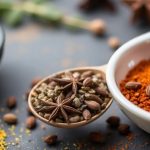
Mustard flavor begins with the seed species and continues through handling and processing. The three culinary species—yellow, brown and black—deliver distinct heat profiles and aromatic characters.
Processing choices change pungency: coarse whole-grain preparations give texture and a milder release, while finely ground seeds plus acid release volatile compounds for more immediate heat. Temperature and hydration during milling modulate the reaction.
Seed Varieties
Yellow (Sinapis alba) provides mild, approachable flavor and often supplies the base in American-style mustards. It behaves predictably under heat and pairs well with sweeteners and vinegars.
Brown (Brassica juncea) and black (Brassica nigra) seeds deliver stronger, longer-lasting heat and more complex aromatics. Growers choose cultivars to match intended use—pickling, table condiments, or culinary sauces.
Traditional Milling and Modern Methods
Traditional stone milling produced variable particle sizes and a rustic mouthfeel. Modern roller and hammer mills enable consistency and controlled flavor extraction for commercial products.
Today producers blend mechanical milling with precise hydration, timed acidification, and controlled resting to stabilize flavor and shelf life. That hybrid approach serves both craft makers and industrial lines.
Mustard in Modern Cuisine and Mustard History
Contemporary chefs treat mustard as a building block for sauces, dressings and marinades rather than a single-use condiment. They layer oils, vinegars, honey and aromatics to produce nuanced profiles.
Artisanal producers experiment with heirloom seeds, fermentation and aging to coax new flavors. Those innovations helped mustard move from a sideline seasoning to a versatile culinary ingredient.
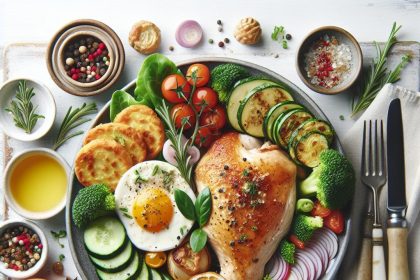
From Pantry to Plate: A Mustard-Glazed Roast Chicken (Mustard History Applied)
The following recipe demonstrates how multiple mustard types build depth in a single glaze. The approach balances tang, texture and a touch of sweetness for reliable, modern comfort cooking.
The structure combines a brine or marinade with roasting to lock in moisture while letting mustard flavor bake into the skin. Below are clear steps and practical times to complete the dish.
Prep and Cook Time
Preparation Time: 20 minutes. This includes assembling the glaze and loosening skin to season beneath it.
Marinating Time: 1 hour minimum, or refrigerate overnight for deeper flavor infusion. Cooking Time: 1 hour 15 minutes at 400°F (200°C).
Yield and Difficulty
Yield: Serves 4 to 6. Portions vary by appetite and side dishes.
Difficulty: Medium. The technique relies on simple pan-roasting and periodic basting; a probe thermometer makes results predictable.
Ingredients
1 whole chicken (about 4 lbs), patted dry; 3 tbsp Dijon mustard; 2 tbsp whole-grain mustard; 1 tbsp honey; 3 cloves garlic, minced; 2 tbsp olive oil; 1 tbsp fresh thyme, chopped; 1 tsp smoked paprika; salt and freshly cracked black pepper; juice of 1 lemon; fresh rosemary for roasting.
Swap mustards to vary heat—spicy brown adds punch while classic Dijon keeps the profile elegant. Adjust honey and acid to taste for a glaze that balances tang and sweetness.
Instructions
1. Prepare the glaze: Whisk Dijon, whole-grain mustard, honey, garlic, olive oil, thyme, paprika, lemon juice, salt and pepper until smooth. Rest the glaze 10–20 minutes to let flavors meld.
2. Marinate the chicken: Loosen skin and spread half the glaze under the skin; rub the remainder over the exterior. Refrigerate at least one hour or overnight for deeper penetration.
3. Preheat oven: Set to 400°F (200°C). Place rosemary in the roasting pan to perfume the bird as it cooks.
4. Roast: Roast about 1 hour 15 minutes, basting every 20 minutes and monitoring with an instant-read probe. Roast until the thickest point reads 165°F (75°C).
5. Rest and serve: Rest 10 minutes before carving to let juices redistribute. Garnish with thyme sprigs and lemon wedges; shred leftovers into salads or sandwiches with a teaspoon of mustard for lift.
Chef’s Notes and Tips for Mustard History Practitioners
Marinating overnight intensifies flavor and yields more uniform seasoning. Always dry the skin thoroughly before glazing for the crispiest result.
Use darker cuts like thighs for juicier outcomes and adjust roast times accordingly. Experiment with seed combinations—pair yellow seeds for mild background and brown or black seeds for heat layers.
Serving Suggestions and Leftovers (Mustard History in Practice)
Pair the mustard-glazed roast with roasted root vegetables or a creamy starch to balance acidity and heat. Fresh herbs and a light honey drizzle provide contrast and visual lift.
Leftover chicken works well in salads, sandwiches and grain bowls. Vary the mustard in leftover dressings to steer the flavor toward spicy, sweet or savory profiles.
Nutritional Snapshot
Approximate values reflect a single serving of roast chicken with glaze and will vary by portion and ingredients. Estimate: 350 kcal, 45 g protein, 4 g carbohydrates, 15 g fat.
Adjust the honey and oil to alter calories and carbohydrate content. Use low-sodium salt blends to manage sodium when needed.
Historical Context and Trusted Sources for Mustard History
Botanical and culinary overviews explain the taxonomy, preparation methods, and regional histories of mustard. For an authoritative culinary entry, see Mustard (condiment).
Roman culinary practice influenced later European preparation; consult Roman cuisine for primary context. Use these references to ground cultural claims in documented sources.
Q&A
What is the origin of mustard as a condiment?
Mustard seeds have ancient roots in river-valley civilizations and feature in archaeobotanical deposits. Those finds show both culinary and medicinal use across early societies.
How did mustard evolve into sauces we use today?
Early cooks crushed seeds and mixed them with acidic liquids for flavor and preservation. Roman techniques refined crushing, hydration and acid balance, which later regional producers adapted.
Why has mustard remained popular across centuries?
Mustard combines flavor, preservation qualities and a mild digestive stimulation, making it versatile across cuisines. Producers adapted seeds and techniques to local tastes and foodways.
How do I best use mustard in modern cooking?
Use mustard as a seasoning agent in marinades, dressings and glazes. Match seed type to purpose: yellow for mildness, brown or black for depth and heat.
Can mustard provide health benefits?
Traditional uses included topical and digestive remedies; modern clinical claims require review of peer-reviewed sources. Use mustard as a culinary ingredient first and consult medical literature for therapeutic assertions.
Further reading: explore entries on Indus Valley Civilization, Mesopotamia, and Dijon for historical context around trade and regional styles.
See also: mustard history