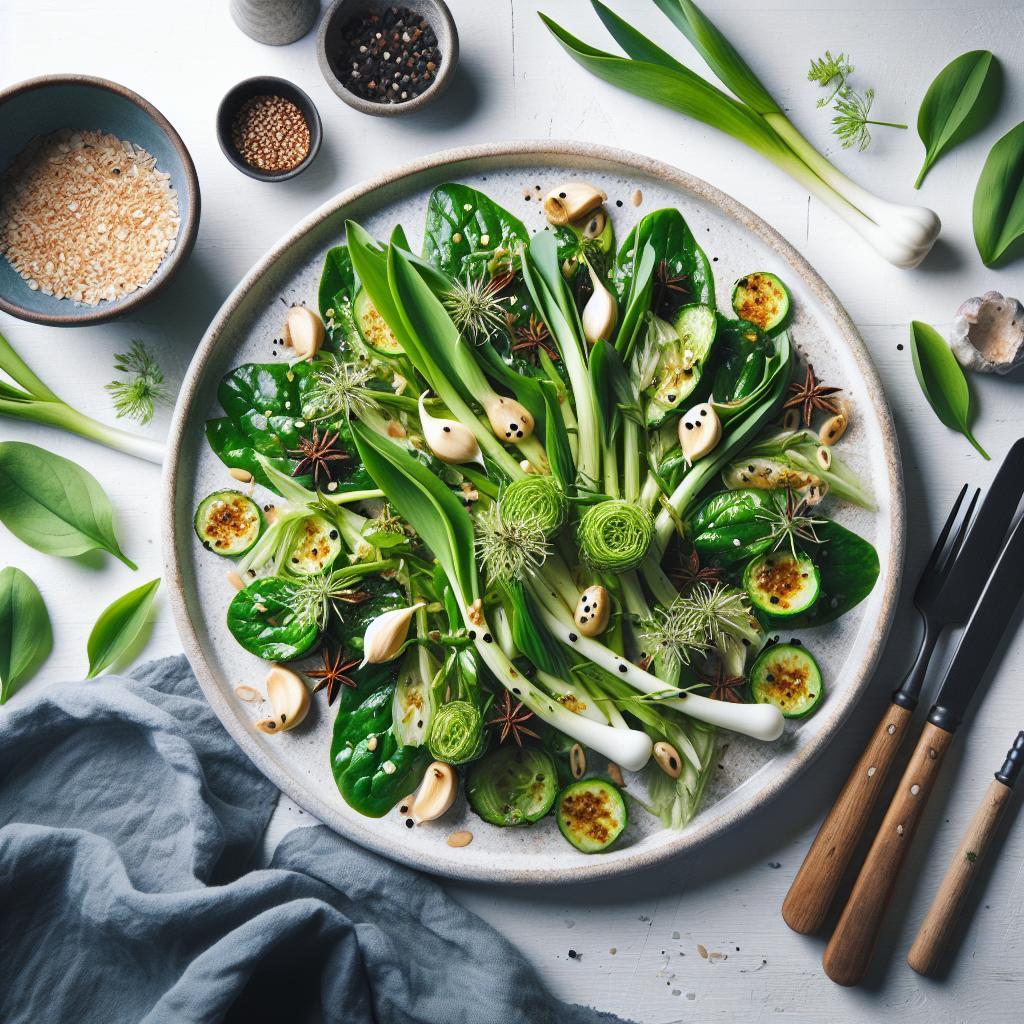

As spring breathes new life into the forest floor, a hidden treasure emerges beneath the dappled canopy: wild garlic. Foraging these bright green leaves connects you to seasonal rhythms and delivers an immediate burst of fresh, aromatic flavor to the kitchen.
- Fresh harvests peak in early spring—harvest before flowering for best flavor.
- Top habitats include damp woodlands, riverbanks and shaded hedgerows.
- Identify by scent: crushed leaves smell distinctly of garlic.
- Sustainable harvest means taking no more than a third of any patch.
Where to Forage: Best Habitats and Top Spots
Wild garlic thrives in cool, damp ground beneath deciduous canopies and along shaded riparian corridors. Look for dense carpets of lance-shaped leaves that carpet the forest floor; these imply long-established patches that can yield multiple harvests.
Typical locations include ancient woodlands, riverside banks and hedgerow edges with consistent shade and moisture. For a technical reference on these habitats, see woodland ecology, which explains how canopy cover and soil moisture create ideal conditions for spring ephemerals.
Identification & Safety
Correct identification relies on leaf shape, growth habit and scent. Wild garlic (Allium ursinum) produces broad, glossy, lance-shaped leaves in clumps and emits a clear garlic aroma when a leaf is crushed.
Compare visual traits against reliable references such as the species page for Allium ursinum to confirm key features. Never harvest unless you can confirm the garlic scent; look-alikes like Lily of the Valley lack that scent and can be toxic.
Sustainable Harvesting Practices
Harvesting responsibly preserves populations and ensures future yields. Adopt the rule of thumb: take no more than one-third of the leaves from any given patch and cut leaves with scissors rather than pulling roots.
Record the site and return in subsequent seasons to monitor regrowth; long-term stewardship helps maintain genetic diversity and patch resilience. For background on broader ecological foraging principles, review general foraging practice notes at foraging.
Recipes: Wild Garlic Scramble
This scramble is a fast, high-impact way to showcase wild garlic without masking its green, peppery notes. The recipe keeps fat moderate, emphasizes bright acid and finishes with a salty, creamy element for balance.
Below you will find concise prep details, ingredient lists and step-by-step instructions crafted for efficient weekday cooking and respectful use of harvested greens.
Prep and Cook Time
Preparation: 15 minutes. Gather and clean leaves thoroughly to remove grit. Chopping can be coarse; small pieces will wilt quickly in the pan.
Cooking: 10 minutes. Cook quickly on medium-low to preserve color and volatile aromatics. Total active time: 25 minutes.
Yield & Difficulty
Yield: Serves 4 generously when paired with bread or roasted potatoes. Adjust volume by leaf weight—about 2 packed cups per 4 servings works well.
Difficulty: Easy. This dish suits beginner foragers and cooks; the main skill is timing so eggs stay creamy while cheese warms through.
Ingredients
- 2 cups fresh wild garlic leaves, washed and roughly chopped
- 3 large eggs, free-range
- 1/2 cup crème fraîche or full-fat sour cream
- 100 g feta cheese, crumbled
- 1 small shallot, finely sliced
- 2 tbsp olive oil
- Salt and freshly ground black pepper, to taste
- Optional: toasted pine nuts and lemon zest for garnish
Instructions
- Prepare the wild garlic: Rinse leaves under cold water to remove soil. Dry by patting with paper or using a spinner; chop roughly and set aside.
- Sauté shallots: Warm oil in a non-stick pan over medium. Add shallot and cook until translucent, about 3 minutes.
- Cook the greens: Add chopped wild garlic and sauté 2–3 minutes until wilted but still bright green. Overcooking dulls flavor and color.
- Mix eggs and crème fraîche: Whisk eggs, crème fraîche, salt and pepper in a bowl until smooth; this emulsion yields a creamy curd.
- Combine and finish: Pour egg mixture over greens and shallot. Stir gently over low heat until custard sets but remains soft, about 4–5 minutes. Scatter feta, cover briefly until warmed through, then serve.
Tips for Success
Work quickly once the leaves hit the pan; wild garlic releases volatile oils that dissipate with long cooking. A short, hot sauté preserves aroma and visual appeal.
Store harvested leaves in a breathable bag or wrapped in damp paper in the fridge for up to three days. For larger yields, blanch and freeze or make a concentrated pesto for later use.
Serving Suggestions
Serve the scramble atop toasted sourdough with a light lemon squeeze and an extra drizzle of olive oil for a bright, balanced plate. Complement it with a crisp green salad to round textures and flavors.
For a heartier brunch, add roasted baby potatoes or sliced avocado on the side. The scramble also makes an efficient filling for warm sandwiches or as a topping for baked tartlets.
| Nutrient | Per Serving |
|---|---|
| Calories | 240 kcal |
| Protein | 12 g |
| Carbohydrates | 6 g |
| Fat | 18 g |

Practical Foraging Checklist
Pack a small folding knife or scissors, a breathable basket, a field guide or plant app, and gloves for bramble-prone areas. Wear layers and waterproof footwear for streamside terrain.
Keep a simple record of GPS or landmark notes for reliable patches; rotate harvesting zones to allow regeneration. Respect local bylaws and private land boundaries before collecting.
FAQ
Q: When is the optimal time to collect wild garlic?
A: Collect in early spring before or just as plants flower; leaves are at their most tender and aromatic then. After flowering, leaves can become bitter and fibrous.
Q: How do I avoid poisonous look-alikes?
A: Always confirm a garlic aroma by crushing a small leaf. Use multiple identification points—leaf shape, growth pattern and flower structure—rather than relying on a single trait.
Q: Can I freeze wild garlic?
A: Yes. Blanch leaves briefly, cool in an ice bath, then freeze in measured portions or process into pesto and freeze. This preserves most flavor and color for months.
Q: How much can I sustainably harvest from a single patch?
A: Limit harvest to roughly one-third of the leaves from a patch each season and avoid uprooting bulbs. This maintains plant vigor and ensures future yields.
Q: Are there culinary substitutions if I run out?
A: Substitute mild-flavored spring onions or spinach for bulk, then add a small amount of cultivated garlic chives for that allium note. Freshness of wild garlic remains distinct, so adapt but don’t attempt a direct flavor clone.
In Retrospect
Hunting wild garlic rewards careful observation, seasonal timing and respectful harvesting. A little knowledge—site selection, safe ID and sustainable practice—turns a woodland walk into reliable foraging.
Bring a modest bag, take photos for later identification, and enjoy the immediate culinary payoff: a verdant scramble that captures the essence of spring. For botanical context, consult the broader Allium genus page at Allium and general herb references at Herb.
See also: Wild garlic