
Sweeten Naturally: 7 Pro Tips to Make Stevia Jam at Home
Stevia Jam lets you capture bright, fresh fruit flavor while cutting added calories and refined sugar. Use ripe fruit, a smart pectin strategy, and measured heat to retain color, aroma and a clean finish.
- Low-sugar set: Combine stevia with pectin or chia for body without cane sugar.
- Fruit choice matters: Berries and apples give acid and pectin that help the gel.
- Shorter shelf life: Refrigerate or freeze low-sugar jars; do not rely on room-temperature storage.
- Taste and adjust: Add stevia gradually; heat changes its perceived intensity.
Choosing the Perfect Fruits for Your Stevia Jam
Pick fruits that deliver both aroma and acidity to balance stevia’s concentrated sweetness. Berries, apples and quince often provide natural pectin and bright acids that improve texture and mouthfeel.
Use slightly underripe but fully flavored fruit so the jam gains body without excess water. For background on categories and structure, see fruit.
Mastering Flavor and Sweetness Balance for Stevia Jam
Stevia supplies intense sweetness with little bulk, and it can show a mild herbal or bitter edge if overused. Counter that by layering acid, aromatic extracts and complementary fruit notes to get a balanced profile.
Work in small increments: add a minimal amount of stevia before cooking, then adjust after the jam cools. For more technical context on the sweetener itself, see Stevia.
Acidity, pectin and texture
Acid activates pectin during cooking and preserves color. Add fresh lemon juice early so pectin can form a stable network as water reduces.
When fruit lacks pectin, add a commercial low-sugar pectin or use chia seeds for a natural gel. Consult the science of gelling agents at pectin.
Recipe Overview: Time, Yield and Difficulty for Stevia Jam
Timing controls reduction and flavor concentration more than clock minutes do. Follow visual cues and the chilled-plate test to judge set rather than relying on exact times.
Typical baseline: prep 15 minutes, cook 20–25 minutes, total about 40 minutes. Yield: roughly four half-pint jars. Difficulty: easy-to-moderate for cooks who measure and taste as they go.
Ingredients
Use measured, fresh ingredients for repeatable results. Below are tested quantities for a standard small batch.
- 4 cups fresh fruit (strawberries, blueberries, peaches), hulled and chopped
- 1/4 cup fresh lemon juice, strained
- 1/2 teaspoon pure stevia powder or equivalent liquid—start small and adjust
- 2 tablespoons chia seeds (optional, natural thickener)
- 1/2 teaspoon pure vanilla extract (optional)
- 1 tablespoon low-sugar pectin powder (optional, for firmer set)
- 2 tablespoons water (for pectin slurry)
Keep pectin and chia as optional tools; each affects texture differently. For guidance on pectin types and low-sugar formulations, study pectin specifications and follow the product directions.
Step-by-Step Instructions
Follow the sequence: fruit first, then acid, then pectin, then heat. That order protects volatile fruit aromatics while giving pectin a proper environment to gel.
Work with a wide, heavy-bottomed pan so liquids reduce evenly and you can test set frequently.
- Prepare fruit: Combine chopped fruit and lemon juice in a saucepan over medium heat. Crush gently to release juices and soften fibers.
- Add stevia and pectin: Stir in measured stevia and dissolve pectin in 2 tablespoons water before adding. Mix well so pectin disperses before reaching a full boil.
- Cook to set: Bring to a gentle boil, then reduce to a steady simmer. Stir often to prevent scorching. Cook 20–25 minutes, testing a spoonful on a chilled plate until it wrinkles slightly when pushed.
- Finish: In the last 5 minutes add chia seeds and vanilla if using. For a smoother jam, pulse briefly with an immersion blender but leave some fruit texture.
- Jar and cool: Ladle hot jam into sterilized jars leaving 1/4 inch headspace. Seal, cool at room temperature, then refrigerate. The jam firms as it chills.
Tips for Success
Taste incrementally and keep a reserved small jar to blend back if final sweetness needs correction. Stevia’s perception shifts after cooling, so final tweaks work best after chilling.
Combine fruit types—half berries and half stone fruit—to balance natural pectin and flavor complexity. Use the chilled-plate test instead of strict minutes for consistent results.
Keep pectin powder handy as a predictable tool for low-sugar preserves. When you add pectin, follow the manufacturer’s low-sugar instructions: many require a specific acid and temperature window to perform well.
Storage, Safety and Shelf Life
Low-sugar jams do not get the same antimicrobial protection that sugar provides. Refrigerate sealed jars and plan to consume within 2–3 weeks for safety and best flavor.
If you want longer storage, freeze in airtight containers. For commercial or long-term home canning, use validated low-sugar pectin products and approved canning guidelines.
Always inspect jars before use. Discard any jar with surface mold, off-odors, or unexpected clouding. Sanitize jars and lids to reduce contamination risk during jarring.
Serving Suggestions
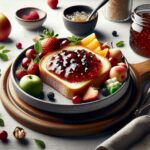
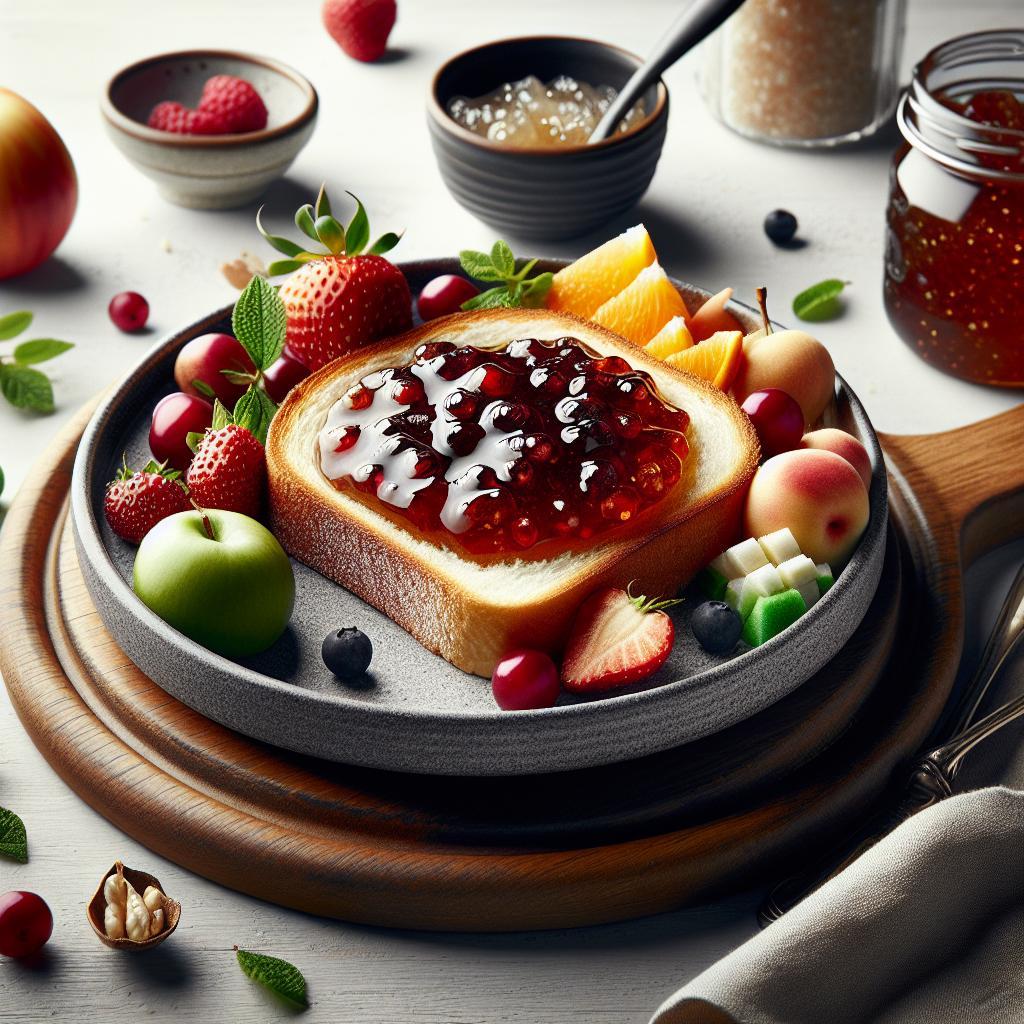
Serve stevia-sweetened jam on whole-grain toast, stirred into plain yogurt, or spooned over ricotta for a lower-sugar dessert. The bright fruit notes pair well with savory cheeses and nuts.
Use the jam as a filling for scones or thumbprint cookies, which lets you control added sugar across the finished baked good. Garnish with fresh mint or citrus zest for contrast.
Nutrition Snapshot
Swapping sugar for stevia produces a lower-calorie spread while retaining fruit fiber and micronutrients. Exact values depend on fruit choice and whether chia or pectin adds solids.
| Nutrient | Per 2 Tbsp Serving |
|---|---|
| Calories | ~30 |
| Protein | 1 g |
| Carbohydrates | 7 g |
| Fat | 0 g |
Common Questions Answered
Below are concise answers that reduce trial-and-error for cooks shifting to stevia-sweetened preserves. Keep notes and adjust pectin or chia to achieve the set you prefer.
Track how different fruits, pectin products and stevia formats affect texture and flavor so you can dial in a repeatable formula for each fruit type.
FAQ
How does stevia compare to sugar in jam-making?
Stevia provides sweet taste without calories but does not supply bulk or the preserving properties of sugar. To replace sugar’s texture and preservation, use pectin or chia and accept refrigerated or frozen storage.
Can I substitute stevia in any jam recipe?
You can convert most recipes, but you must compensate for lost bulk and preservation. Reduce stevia relative to sugar volume, and rely on the chilled-plate test to confirm set.
Which fruits set best without sugar?
Fruits high in natural pectin—apples, quince and certain berries—set better without sugar. When using low-pectin fruits, add commercial low-sugar pectin or chia to build body. For more on jam and preserves, see jam (fruit preserve).
How should I store stevia-sweetened jam?
Refrigerate sealed jars and use within 2–3 weeks, or freeze small portions for months. Do not rely on room-temperature storage unless using tested, low-sugar canning methods.
Will stevia change during cooking?
Yes. Heat can alter perceived sweetness and accentuate bitter notes, so add stevia conservatively before cooking and adjust a small amount after chilling. For context on chia as a thickener, consult Salvia hispanica.
See also: Using pectin for low-sugar jams and Safe preserving techniques on our site for step-by-step canning guidance.
See also: Stevia Jam