
Rose tea distills floral scent into a calm, drinkable form. Practitioners and herbalists have used it for centuries to ease tension and support digestion.
- Calming infusion: gentle aroma that supports relaxation.
- Simple brew: easy steps and few ingredients.
- Versatile: served hot, chilled, or blended with herbs.
- Skin and digestion: antioxidant and anti-inflammatory compounds.
Prep and Cook Time
Preparation: 5 minutes. Brewing: 7–10 minutes. The method keeps floral oils intact.
Use quality filtered water to protect delicate aromatics. Short steeping avoids bitterness and preserves color.
Yield
Serves 2 cups of aromatic rose tea when using the quantities listed below. Serve immediately for best scent.
If you double the recipe, steep in a larger teapot and chill any extra for iced rose tea. Refrigerate up to 48 hours to maintain flavor.
Difficulty Level
Easy. This recipe demands simple tools: kettle, infuser or teapot, and a strainer.
Expect consistent results with minimal skill. The technique rewards attention to temperature and steep time.
Ingredients
Choose food-grade dried petals from an organic source for safety and aroma. Avoid florists’ roses that may contain pesticides or dyes.
Add optional herbs or citrus to tailor flavor and therapeutic effect. Chamomile pairs well for relaxation; lemon brightens the cup.
- 2 tablespoons dried organic rose petals (food-grade)
- 2 cups filtered water
- 1 tablespoon organic honey or preferred sweetener (optional)
- 1 slice fresh lemon (optional)
- 1 teaspoon dried chamomile buds (optional)
Instructions
Gather ingredients and pre-warm your teapot or cup to protect temperature stability. Use a heatproof infuser or a fine strainer for clean clarity.
Work deliberately: avoid boiling the petals directly. A controlled pour unlocks aromatic oils without scorching the flowers.
- Heat water to just below a rolling boil (about 200°F / 93°C). Let it rest 30 seconds if the kettle reaches 212°F.
- Place petals and optional chamomile into an infuser or teapot.
- Pour water over the petals and cover to trap aroma.
- Steep 7–10 minutes for a fragrant, non-bitter infusion.
- Strain into cups, discard petals or repurpose as potpourri.
- Sweeten with honey and finish with a lemon slice if desired.
- Sip slowly to enjoy the calming effect and aromatic profile.
Steeping Parameters
Shorter steep times yield a lighter aroma and clearer cup. Longer steeping increases body but risks slight astringency.
Adjust steep time based on petal quality and personal taste. Test 7 minutes first and extend only if needed.
Tips for Success
Start with a small trial if you use a new rose variety; floral intensity varies widely. Record times and amounts for repeatable results.
Use a glass teapot to watch color development and avoid over-extraction. Clear vessels also improve presentation.
- Use food-grade petals: confirm organic, unsprayed source.
- Control temperature: near-boiling water extracts aroma without burning the petals.
- Customize: add chamomile or mint to shift relaxation and flavor.
- Prep in advance: chill brewed tea for iced service or larger batches.
Serving Suggestions
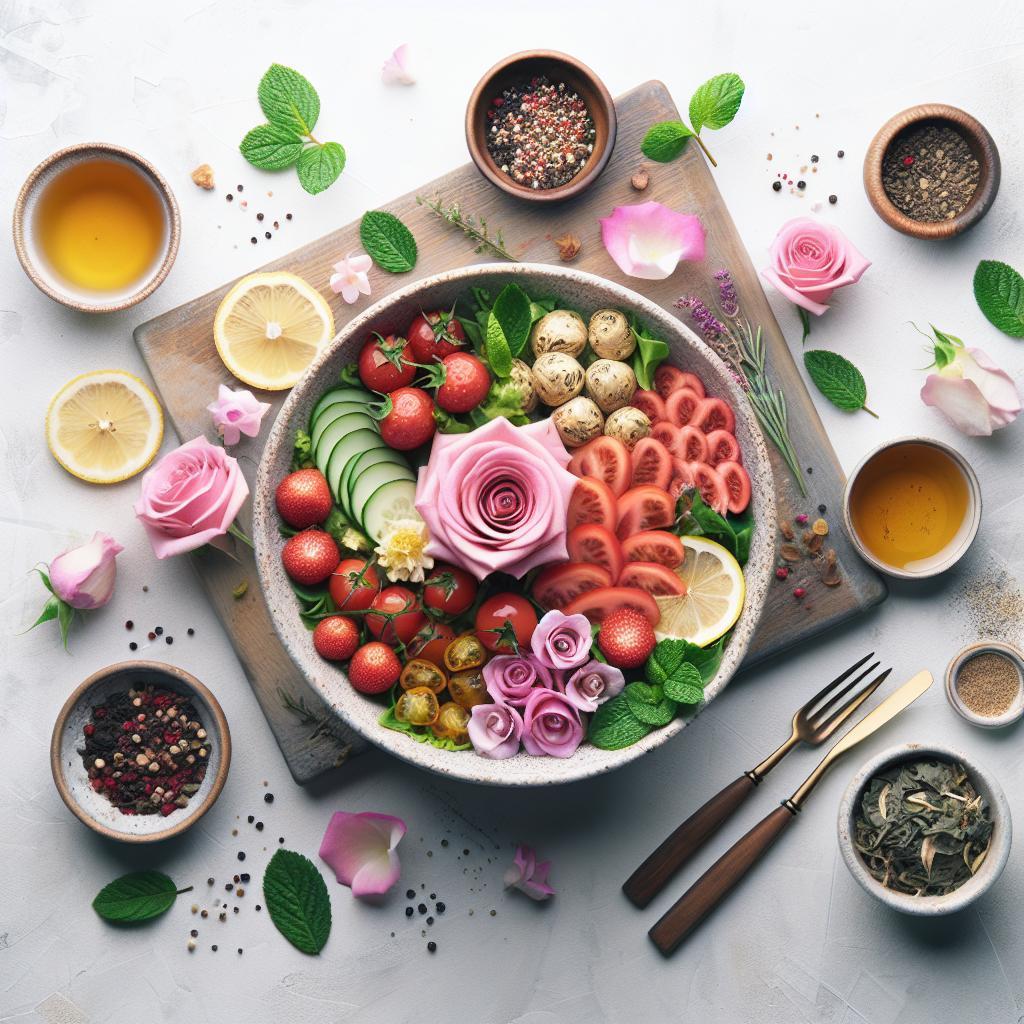
Present rose tea in glass or porcelain to showcase the soft pink hue. Garnish with a single petal or thin lemon wheel for visual appeal.
Pair with delicate biscuits or almond biscotti for balance. Serve hot for sleep-friendly rituals, or chill for a refreshing afternoon beverage.
Benefits
Rose petals contain flavonoids and polyphenols that contribute antioxidant activity. These compounds support skin health and reduce mild inflammation.
Practitioners also use rose blends to ease mild digestive upset and to promote relaxation. Scientific literature on herbal infusions documents antioxidant effects for many floral teas; review primary sources for study details.
Learn about roses and their botanical classification on Roses on Wikipedia. For traditional varieties used in perfumery and infusions, see Rosa damascena.
History & Varieties
Cultures from Persia to East Asia prized roses for fragrance and medicinal use. Many recipes and rituals incorporated rose water and petal infusions.
Different species yield distinct aromas. Experiment with known cultivars to find the balance you prefer. Explore the general concept of herbal tea for context on non-Camellia infusions.
Nutrition
Rose tea provides minimal calories and negligible macronutrients. It offers hydration with trace antioxidants if brewed from quality petals.
Additions like honey or lemon change nutritional content. Keep portions mindful when tracking carbohydrate or sugar intake.
| Nutrient | Per Serving (1 cup) |
|---|---|
| Calories | 15 (without sweetener) |
| Protein | 0.1 g |
| Carbohydrates | 4 g |
| Fat | 0 g |
Precautions
Although generally safe, some individuals may react to rose pollen or botanical cross-reactivity. Test a small cup if you suspect sensitivity.
If you are pregnant, nursing, or taking medication, consult a qualified healthcare provider. Herbs can interact with conditions and treatments in specific ways.
Q&A
This section addresses common, practical questions from home brewers and practitioners. Answers rely on traditional practice and published botanical knowledge.
Use these responses to refine technique and make safe choices when adding rose tea to a wellness routine.
Q1: What exactly is rose tea, and how is it made?
A1: Rose tea is an infusion of rose petals or buds in hot water. Use dried or fresh food-grade petals and steep at sub-boiling temperatures to extract aroma without bitterness.
Q2: Why has rose tea been cherished historically?
A2: Many cultures used roses for scent, skincare, and mild relaxation. Historical uses span ceremonial, culinary, and medicinal contexts where roses symbolized calm and refinement.
Q3: What wellness benefits does rose tea offer?
A3: Rose tea supplies antioxidants and mild anti-inflammatory compounds. People report improved digestion and restful evenings after routine use, though results vary by individual and preparation.
Q4: Can drinking rose tea help sleep?
A4: The ritual of a warm, unsweetened cup can relax the nervous system. When blended with calming herbs like chamomile, it supports easier sleep onset for some people.
FAQ
Is rose tea caffeinated?
No. Rose tea is an herbal infusion and contains no caffeine unless blended with a true tea (Camellia sinensis). It functions as a caffeine-free alternative for evening rituals.
Which rose variety is best for tea?
Many tea makers favor fragrant varieties like Rosa damascena for aroma. Still, quality and absence of pesticides matter more than cultivar name.
Can I use fresh rose petals?
Yes. Use petals from organically grown plants. Rinse gently, pat dry, and steep briefly to avoid vegetal notes from moisture.
How long can I store brewed rose tea?
Store chilled in an airtight container for up to 48 hours. Discard if you detect off-odors or cloudiness.
Can children drink rose tea?
Children can sip mild, unsweetened rose tea in small amounts if no allergies exist. Consult a pediatrician for infants or children with health concerns.

Rose tea offers a calm, accessible ritual. With controlled temperature and quality petals, you can craft a repeatable cup that supports relaxation and sensory pleasure.
See also: Rose Tea