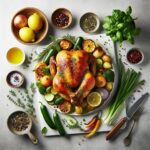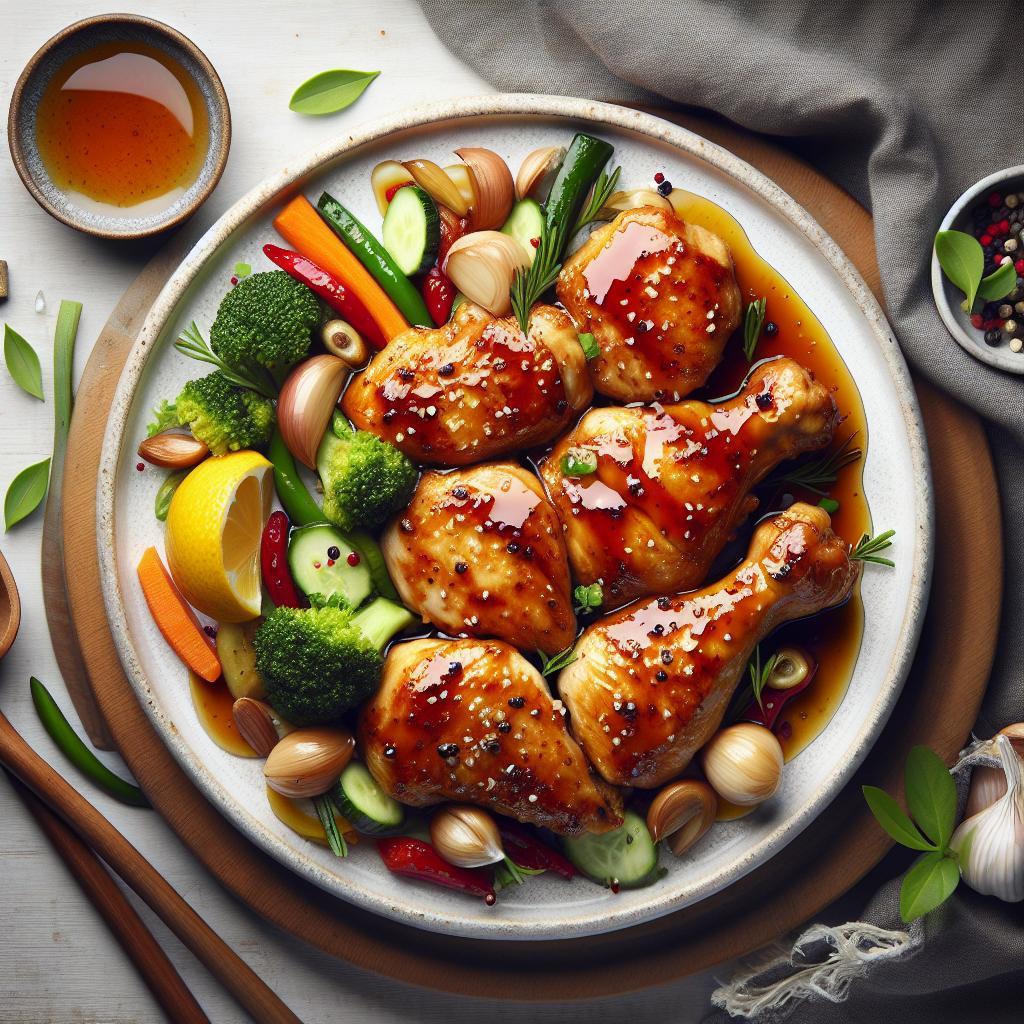

Sweet and Savory: The Magic of Chicken Honey Explained pairs the simple sugar profile of honey with the deep protein richness of chicken to create a balanced, mouthwatering dish. This piece explains the practical science, technique and flavor choices that produce glossy, caramelized chicken with restrained sweetness.
- Balance matters: small acid or umami additions help honey highlight chicken rather than mask it.
- Heat control: manage pan temperature to caramelize sugars without burning the glaze.
- Honey variety: floral honeys give brightness; darker honeys add depth and molasses notes.
Prep and Cook Time
Preparing this honey-glazed chicken is efficient and forgiving for home cooks. The method focuses on an initial sear followed by a low finish under a honey-based glaze to keep meat juicy.
Timing will vary by cut and thickness, but the workflow remains the same: dry, sear, glaze, and finish. Short hands-on time makes this an excellent weeknight recipe that still feels special.
- Preparation: 15 minutes
- Cooking: 25 minutes
- Total Time: 40 minutes
Yield
This recipe yields four hearty portions suitable for family dinners or meal prep. Adjust quantities proportionally for larger gatherings or batch cooking.
Portion control is straightforward because protein size and glaze quantities scale predictably. The glaze can be multiplied without altering technique.
Serves 4 hearty portions
Difficulty Level
This dish ranks as medium difficulty because it asks cooks to control searing and glaze caramelization simultaneously. Those steps reward attention to temperature and timing.
With practice, the techniques become repeatable and fast. Novice cooks should focus on using a thermometer and moderate heat to avoid over-browning.
Medium – approachable for adventurous home cooks ready to master glazing techniques
Ingredients
Choose ingredients that support balance: a floral honey for brightness or a darker honey for richness, plus an acid or umami agent to ground the sweetness. Use fresh aromatics to keep the glaze lively.
Below are scaled measurements for four servings and easy substitutions for pantry flexibility. Replace olive oil with avocado oil for a higher smoke point when needed.
- 4 boneless, skinless chicken thighs (about 1.25 lbs), trimmed
- 1/3 cup raw honey (for a clean, floral sweetness) — see honey for varietal notes
- 2 tbsp soy sauce (low sodium preferred) — use reduced-sodium if you manage salt, see soy sauce
- 1 tbsp fresh ginger, finely grated
- 3 garlic cloves, minced
- 1 tbsp rice vinegar (to balance sweetness)
- 1/4 tsp crushed red pepper flakes (optional for subtle heat)
- 2 tbsp olive oil or avocado oil
- Salt and freshly ground black pepper, to taste
- 2 green onions, thinly sliced for garnish
- 1 tsp toasted sesame seeds, optional garnish
Instructions
Work in three stages: prepare, sear, then glaze and reduce. Each stage uses heat differently to build texture and flavor.
Measure and prep mise en place before heating the pan to keep timing tight. A thermometer removes guesswork when checking doneness.
- Prepare the chicken: Pat the chicken thighs dry with paper towels and season both sides with salt and black pepper. Let them rest at room temperature for 10 minutes before cooking.
- Create the honey glaze: In a small bowl, whisk together honey, soy sauce, grated ginger, minced garlic, rice vinegar, and red pepper flakes until emulsified. Keep the glaze nearby so you can baste without delay.
- Heat the oil: In a large skillet over medium heat, warm the oil until shimmering. Add the chicken and sear without moving for 6–7 minutes until the surface is golden.
- Flip and baste: Turn the chicken over and immediately pour the glaze over the pieces. Reduce heat to low and spoon the glaze frequently to build layers of sticky sweetness while the interior reaches 165°F.
- Caramelize the sauce: Remove the chicken briefly and increase heat slightly to thicken the glaze to a syrupy consistency, watching to prevent charring. Then return the chicken and coat thoroughly before serving.
- Finish and serve: Transfer to a platter and top with sliced green onions and sesame seeds for texture and contrast. Serve hot with your chosen starch and a bright vegetable side.
Glazing & Caramelization
Caramelization of sugars gives the glaze its glossy color and layered flavor profile. The process depends on time and temperature more than complexity.
For technical reference, read about caramelization to understand sugar behavior under heat. Control allows you to stop at amber rather than bitter.
Temperature and Timing Details
Keep searing at medium heat and finish glazing at low heat to avoid burning honey, which can cook to bitterness very quickly. Use a lower flame when the glaze is present.
If the glaze becomes too thick too fast, add a splash of water or vinegar to loosen and continue basting. This simple control keeps texture smooth and prevents scorching.
Tips for Success
Small technique changes deliver big results: dry skin, preheat the pan, and resist flipping the meat too often. Those habits encourage even browning and improved mouthfeel.
Use a probe thermometer to hit safe internal temperature without overcooking. Remove chicken slightly early; carryover heat raises the internal temp while resting.
- Choose the right honey: Light, floral honeys enhance sweetness without overpowering.
- Don’t overcrowd the pan: Cook in batches to preserve caramelization.
- Use a meat thermometer: Target 165°F for safe, juicy chicken.
- Make ahead: Prepare the glaze up to 24 hours ahead and refrigerate.
- For crispy skin: Pat very dry and avoid flipping to encourage even browning.
Serving Suggestions
Pair honey-glazed chicken with neutral starches like jasmine rice or roasted sweet potatoes to echo the dish’s sweet components. Add a bright, acidic salad to cut richness and refresh the palate.
Herbs such as cilantro or Thai basil add aromatic lift without competing with the glaze. Pickled garnishes or a lime wedge provide an enjoyable counterpoint that sharpens the overall profile.
Nutrition
A typical serving provides moderate protein and carbohydrates with controlled fat when using lean cuts. The glaze contributes sugars, so balance portions if you monitor intake.
Adjust honey quantity to reduce carbohydrate load; a thinner glaze also lowers overall sugar per bite. Pairing with fibrous vegetables helps moderate glycemic effect.
| Nutrient | Per Serving |
|---|---|
| Calories | 320 kcal |
| Protein | 32 g |
| Carbohydrates | 18 g |
| Fat | 12 g |
Q&A
The following answers summarize common technical and flavor questions that home cooks ask about honey-glazed chicken. Each reply explains cause and practical remedy succinctly.
Short, actionable answers help you apply techniques directly while cooking. Consult the linked Wikipedia references for deeper background on specific ingredients and reactions.
Q1: What makes the combination of chicken and honey so special?
The balance between sweetness and umami creates a layered taste that highlights protein while offering a glossy finish. A controlled amount of acid or savory seasoning keeps honey from overwhelming the dish.
Q2: How does honey affect the texture of chicken when cooked?
Honey forms a sticky glaze that caramelizes into a thin crust, locking moisture inside the meat. That crust contrasts nicely with tender interior fibers for a pleasant mouthfeel.
Q3: Are certain types of honey better for pairing with chicken?
Yes. Light floral honeys add brightness; darker honeys deliver richer, more robust notes. Experiment to find the balance you prefer.
Final Thoughts
Honey and chicken combine through simple chemistry and careful cooking to produce a dish that is both comforting and sophisticated. The right technique lets the chicken remain the star while honey enhances rather than hides flavor.
Practice temperature control, choose a honey that matches your flavor goal, and use small acidic or savory accents to keep the profile balanced. With those elements in place, you get repeatable results that impress at the table.
FAQ
What is the best honey for glazing chicken?
Use a light floral honey for subtle sweetness or a darker honey like buckwheat for deeper notes. Both work; choose by desired intensity.
Can I use other sweeteners instead of honey?
You can substitute maple syrup or agave, but each changes flavor and caramelization. Honey adds floral complexity that many substitutes lack.
How do I prevent the glaze from burning?
Finish the glaze at low heat and remove sugar early if it darkens too fast. Keep a splash of water or vinegar to loosen and cool the sauce.
Is this method safe for chicken?
Yes, provided the internal temperature reaches 165°F and you manage pan heat to avoid exterior burning. A probe thermometer ensures safety and juiciness.
Do herbs pair well with honey-glazed chicken?
Fresh herbs like cilantro, parsley, or Thai basil brighten the dish and contrast sweetness. Add them at the end to preserve aroma and color.
For scientific background on taste perception and savory balance, see umami. For ingredient science on ginger and other aromatics, explore ginger.
See also: chicken honey