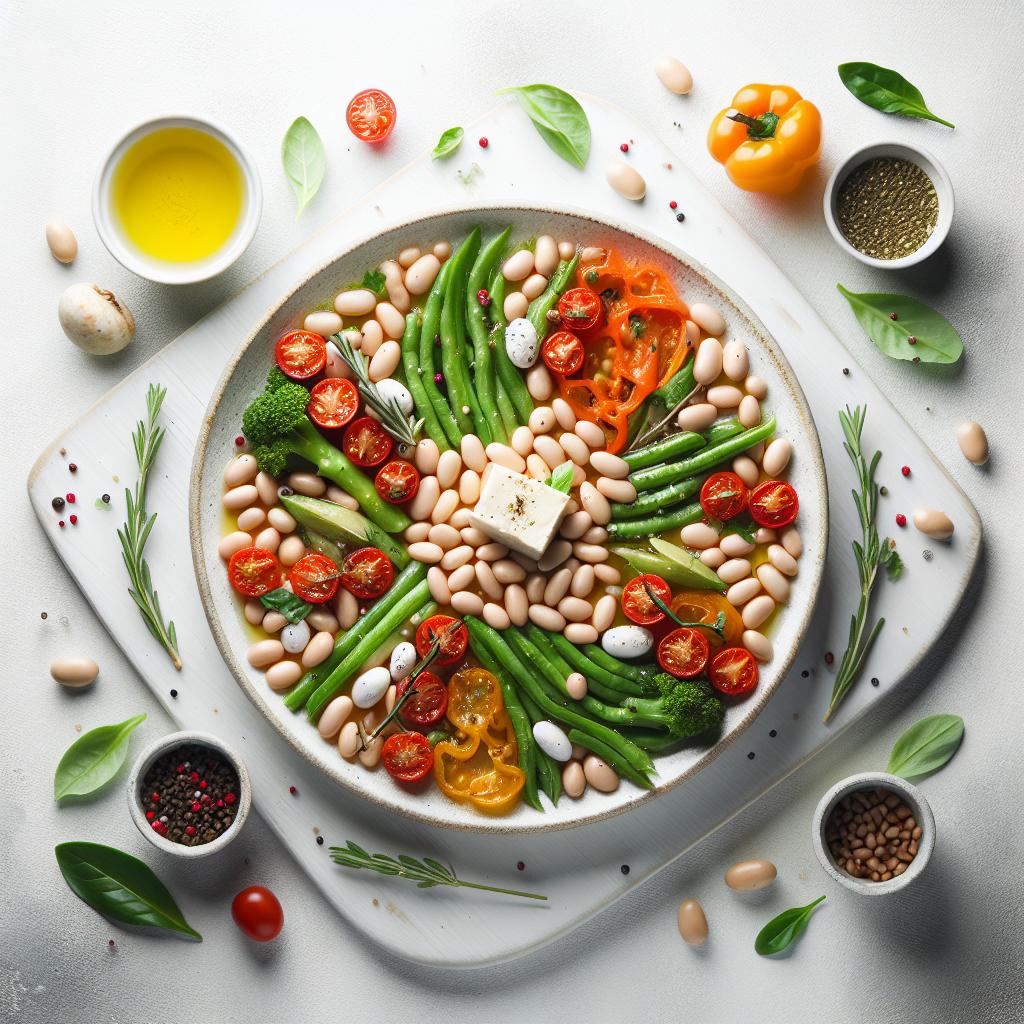

Nestled within the rich tapestry of Italy’s culinary heritage lies an unassuming treasure: the Italian bean. Often overshadowed by the country’s famed pasta and olive oil, this humble legume holds a world of flavors, history, and nutrition waiting to be discovered. From hearty Tuscan stews to delicate Venetian salads, the Italian bean is a versatile ingredient that has sustained generations and inspired countless recipes. In this article, we embark on a flavorful journey to unlock the secrets of the Italian bean-a true culinary gem that deserves a place at every kitchen table.
Unlocking the Secrets of the Italian Bean: a Culinary Gem that delights taste buds with centuries of tradition and regional nuances. Italian beans have long been cherished not only for their hearty texture but also for their ability to bring rustic elegance to dishes across the peninsula. From the creamy cannellini of Tuscany to the earthy borlotti beans favored in Lombardy, these legumes carry stories of farmers’ toil, seasonal harvests, and vibrant local flavors. Discover how these beans transform humble meals into vibrant feast-worthy experiences by understanding their provenance, unique flavor profiles, and culinary roles.
Prep and Cook Time
- Preparation: 12 hours (soaking)
- Active Cooking Time: 1 hour 30 minutes
Yield
Serves 6 generous portions
Difficulty Level
Medium – beginner cooks with patience will succeed beautifully
Ingredients
- 2 cups dried cannellini beans, soaked overnight and drained
- 1 medium onion, finely chopped
- 2 cloves garlic, minced
- 3 tablespoons extra virgin olive oil
- 1 large carrot, diced
- 2 celery stalks, diced
- 1 bay leaf
- 1 sprig fresh rosemary
- 4 cups vegetable broth (low-sodium)
- Salt and freshly cracked black pepper, to taste
- 1 teaspoon smoked paprika (optional, for depth)
- Fresh parsley, finely chopped for garnish
- Crusty artisan bread, optional for serving
Instructions
- Prepare the beans: After soaking, rinse the cannellini beans thoroughly and pick out any debris or damaged beans. This ensures a clean, smooth texture.
- Sauté the aromatics: Heat the extra virgin olive oil in a large heavy-bottomed pot over medium heat. Add the onion, carrot, and celery, cooking until softened and translucent, about 8 minutes. Stir frequently to avoid browning.
- Add garlic and herbs: Stir in the minced garlic, bay leaf, and rosemary, allowing the garlic to release its fragrance-about 1 minute.
- Combine beans and broth: Pour in the vegetable broth and add the soaked beans to the pot. Add the smoked paprika if using for a subtle smoky warmth. Bring to a gentle simmer.
- Cook slowly: Reduce heat to low and cover. Let the beans cook undisturbed for about 1 hour, stirring occasionally to prevent sticking. Test beans after 50 minutes for tenderness.
- Season to taste: Once beans are soft but firm, remove the bay leaf and rosemary sprig. Season with salt and cracked black pepper, adjusting to your preference.
- Optional creaminess step: For a luscious texture, use a ladle to scoop out about 1 cup of beans with broth and blend until smooth, then stir back into the pot.
- Final simmer: Allow the soup to simmer uncovered for 5-10 minutes more to thicken slightly and marry the flavors.
Tips for Success
- Always soak dried beans overnight to reduce cooking time and improve digestibility.
- If pressed for time, use the quick soak method: boil beans for 2 minutes, then cover and let sit for 1 hour before cooking.
- For more depth, toast whole dried rosemary and bay leaf briefly before adding to the pot.
- Keep the heat low for a slow simmer-boiling vigorously may split the beans.
- Use a wooden spoon to gently stir to avoid breaking the beans excessively.
- Make a larger batch and freeze portions in airtight containers for easy weeknight meals.
Serving Suggestions
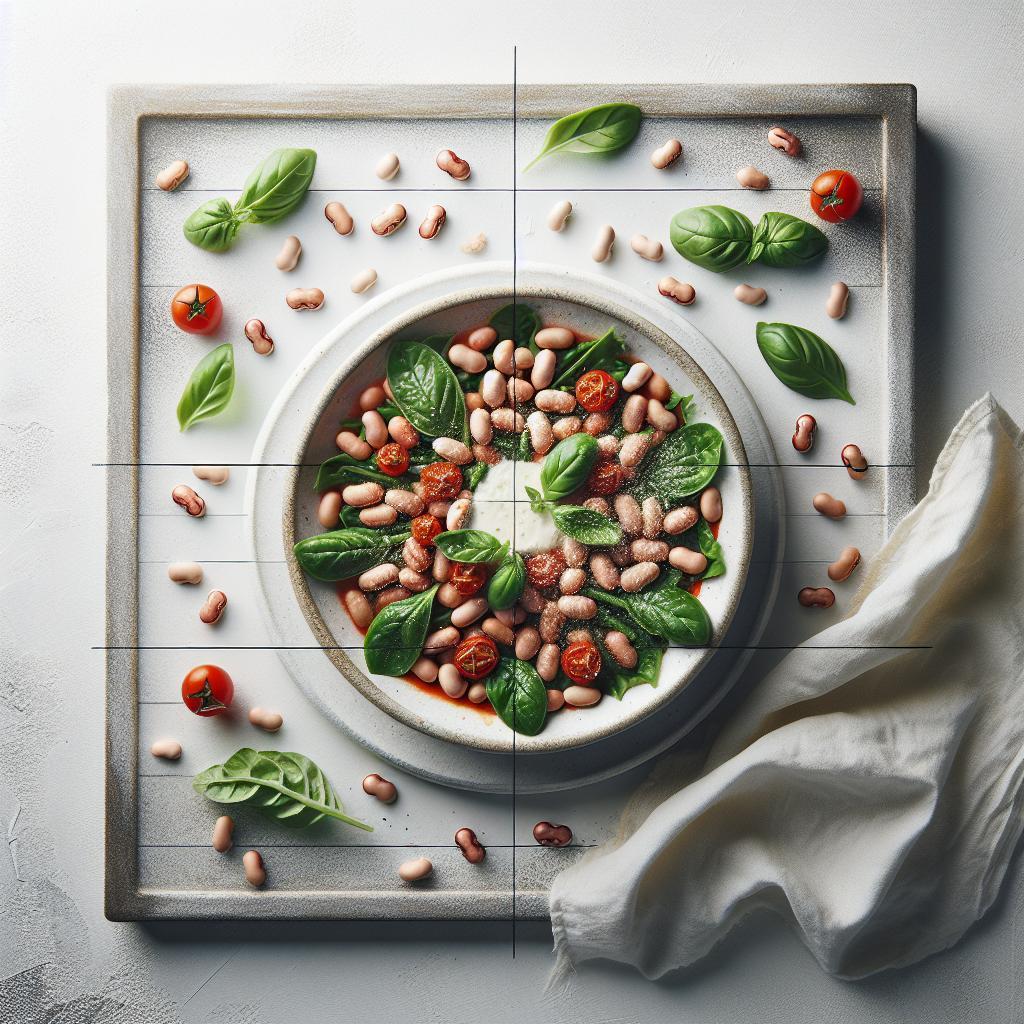
Serve this hearty Italian bean stew in warm, rustic bowls. Drizzle with a finishing touch of extra virgin olive oil and sprinkle with freshly chopped parsley. Pair with toasted crusty bread rubbed with garlic or crisp focaccia for soaking up every drop. A simple green salad with lemon vinaigrette balances the richness elegantly. Garnish with a few cracked black peppercorns or a pinch of smoked paprika for added visual and flavor intrigue.

| Nutrient | Per Serving |
|---|---|
| Calories | 280 kcal |
| Protein | 15 g |
| Carbohydrates | 40 g |
| Fat | 7 g |
| Fiber | 11 g |
Unlock more Italian culinary treasures and techniques by exploring our comprehensive guide to Italian legume recipes. For detailed agricultural history and bean varieties, the Slow Food International is an excellent resource celebrating Italy’s rich food heritage.
Q&A
Q&A: Unlocking the Secrets of the Italian Bean: A Culinary Gem
Q1: What makes the Italian bean so special in the culinary world?
A1: The Italian bean, often celebrated for its creamy texture and subtle, nutty flavor, is a staple that elevates dishes with its versatility and nutrient richness. Its ability to absorb flavors while maintaining a tender bite makes it a beloved ingredient in both rustic and refined Italian cooking.
Q2: Which varieties of Italian beans are most commonly used in traditional recipes?
A2: Popular varieties include the Cannellini bean, known for its snowy white color and smooth consistency, and the Borlotti bean, recognized by its speckled red and cream appearance. Each variety brings unique characteristics-Cannellini beans are prized for soups and stews, while Borlotti often shines in salads and pasta dishes.
Q3: How can Italian beans be incorporated into vegetarian and vegan dishes?
A3: Italian beans are a fantastic base for hearty plant-based meals. They can be blended into creamy spreads, tossed into vibrant vegetable stews, or paired with aromatic herbs like rosemary and sage to create satisfying main courses without the need for animal products.
Q4: What are some lesser-known cooking tips to enhance the flavor and texture of Italian beans?
A4: Soaking beans overnight not only reduces cooking time but also improves digestibility. Cooking them slowly with aromatics such as garlic, bay leaves, and onions allows their flavor to deepen. Adding a splash of high-quality extra virgin olive oil after cooking enhances their natural creaminess and adds a luxurious finish.
Q5: Can Italian beans be used outside traditional Italian cuisine?
A5: Absolutely! Their mild yet distinctive flavor lends itself well to global fusion dishes-from creamy bean dips inspired by the Mediterranean to spicy bean curries. The key is to embrace their adaptability, letting them soak up spices and herbs from diverse culinary traditions.
Q6: What nutritional benefits do Italian beans offer?
A6: Rich in protein, fiber, and essential minerals such as iron and magnesium, Italian beans contribute to a balanced diet. Their fiber content supports digestive health, while their plant-based protein is an excellent energy source for vegetarians, vegans, and health-conscious eaters alike.
Q7: How do Italian beans contribute to sustainable and mindful eating?
A7: Beans require relatively low resources to cultivate compared to animal-based proteins, making them an eco-friendly option. Their long shelf life when dried also minimizes food waste. Incorporating Italian beans into meals supports sustainability while celebrating rich flavors that connect us to Italy’s culinary heritage.
To Wrap It Up
As we close the chapter on the Italian bean-a humble yet extraordinary ingredient-it’s clear that this culinary gem holds far more than just flavor. From rustic countryside recipes to modern gourmet plates, the Italian bean weaves tradition, nutrition, and culture into every bite. Unlocking its secrets invites not only a deeper appreciation for Italy’s rich gastronomic heritage but also a fresh inspiration for kitchens worldwide. So next time you reach for a simple bean, remember: you’re embracing a story centuries in the making, ready to transform your cooking into an unforgettable journey of taste and history.