
Berry Brilliant: Mastering the Art of Identification Fast
Berries offer vibrant flavor and seasonal reward, but many species hide subtle differences that matter for safety and taste. This guide gives field-tested rules to speed identification, sharpen observation, and reduce mistakes while foraging.
- Core takeaway: Use multiple traits — leaves, stems, clusters — not color alone.
- Speed tip: Learn 7 repeatable checks to ID most common berries fast.
- Safety first: When unsure, document and wait; do not taste.
Quick primer: Why focused ID matters
Foragers move faster and safer when they follow a compact, repeatable method. Fast ID reduces time in the field and lowers the risk of accidental ingestion of toxic plants.
Ecology and plant form strongly influence where and when berries appear. Study local habitat patterns to narrow candidates before you inspect fruit up close.
Learn more about the practice and history of field collection on foraging.
At-the-field checklist (7 quick checks)
Apply these seven checks in sequence to cut identification time. They form a mental checklist you can run through in 60–90 seconds per plant.
Start broad (habitat, season) and end with fine detail (calyx, seeds). That order maximizes speed and accuracy.
- Habitat: Note soil type, moisture, sunlight, and nearby plant community.
- Season: Confirm typical ripening windows for your region.
- Growth form: Bush, cane, vine, or groundcover.
- Leaf pattern: Alternate vs. opposite; simple vs. compound.
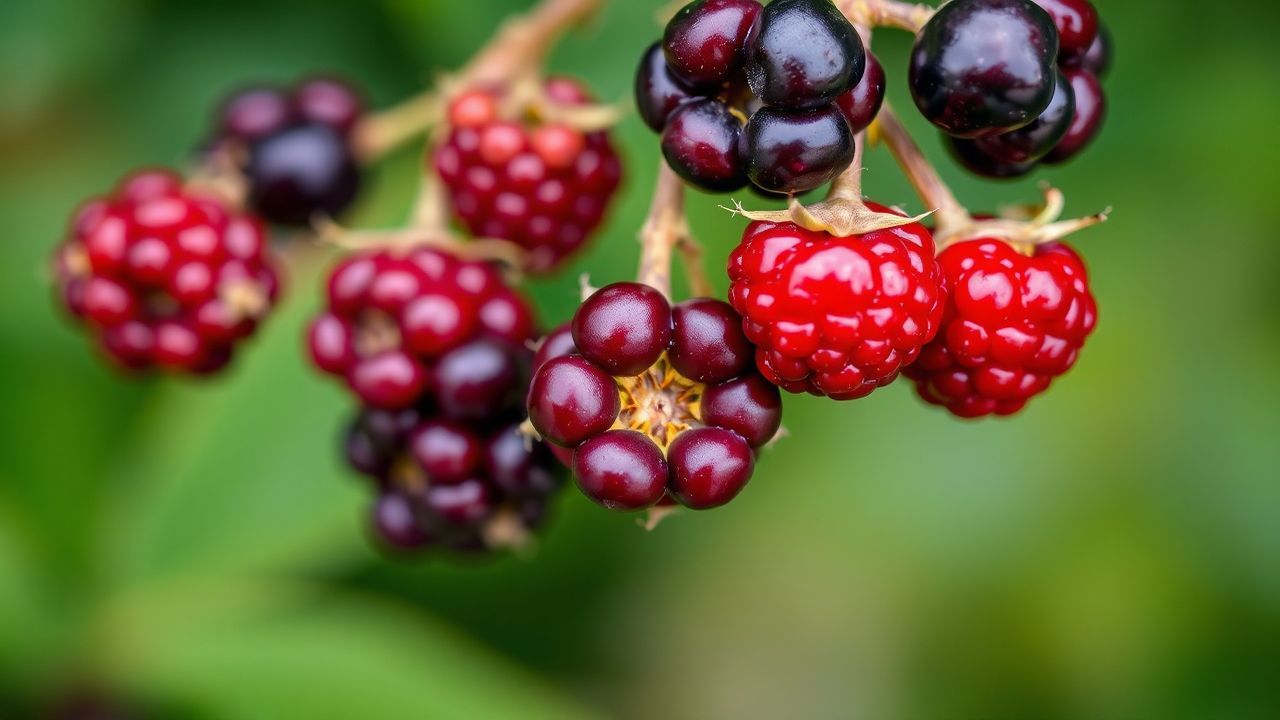
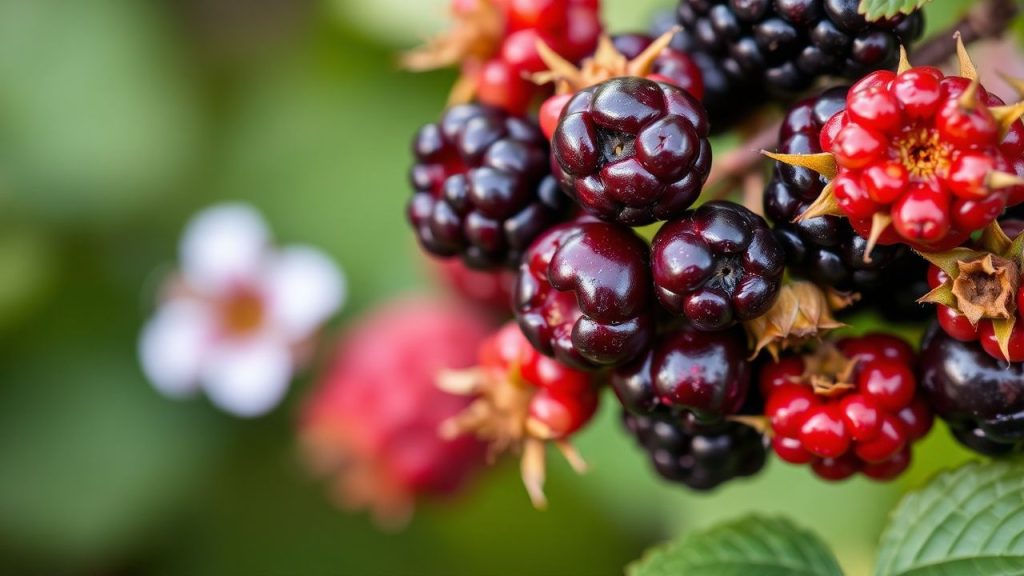
- Cluster structure: Single, pair, or tight cluster; drupelet vs. true berry.
- Stem and calyx: Presence and orientation of the calyx and persistent sepals.
- Fruit interior: Color of flesh and seed arrangement when you can safely sample or photograph.
Key anatomy: what to inspect and why
Understanding plant parts gives repeatable clues. The calyx, pedicel, and seed pattern often separate lookalikes more reliably than color.
Use a small magnifier to check trichomes (hairs), glandular points, and seed number. These details appear in many identification keys.
Anatomy basics
Leaves and leaf veins give strong taxonomic signals. For example, alternate simple leaves differ from compound opposite leaves in predictable groups.
Fruit type matters: botanically, a “berry” differs from an aggregate of drupelets. See the botanical definition on berry (botany).
Spotting lookalikes
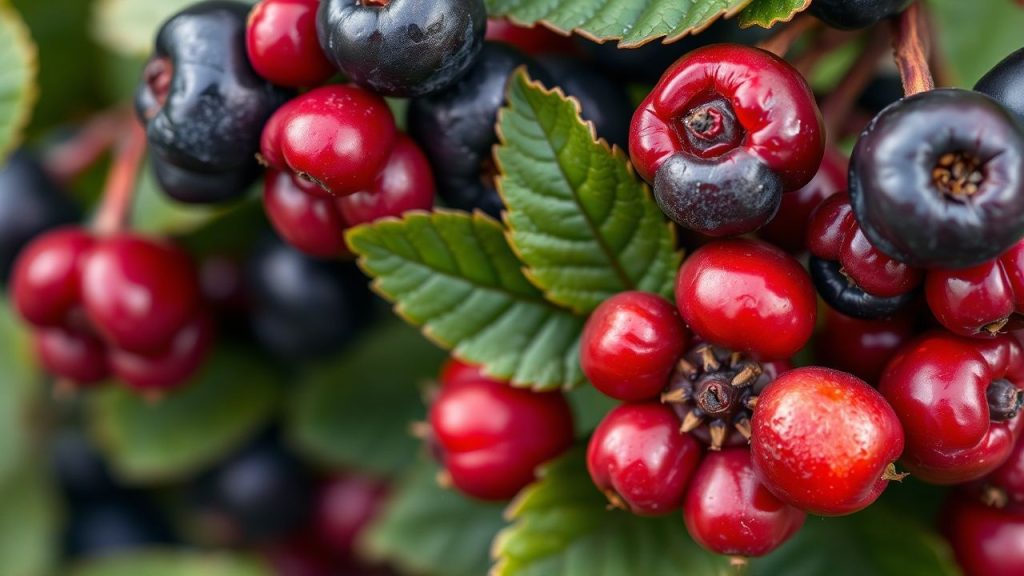
Many toxic species mimic edible colors. Compare leaf shape, berry arrangement, and stem color to rule out impostors.
For instance, berries that appear in clusters but arise from a single stalk may point to a dangerous species; check closely before handling or tasting.
Seasonal timing and habitat cues
Seasonality narrows options quickly. Blackberries peak mid-to-late summer, while cranberries ripen in colder, boggy conditions later in the season.
Match the plant to its preferred habitat: boggy, acidic soils favor some species, while well-drained slopes favor others. Use these cues before you inspect fruit up close.
Read regional phenology summaries or consult local foraging guides for precise windows and locations. A regional guide speeds field decisions and repeat visits.
Tools and workflow that speed ID
Carry a compact kit: magnifier, field notebook, neutral-tasting tasting tool (only after 100% ID), and a breathable container. Good tools reduce error and protect fruit quality.
Use a camera to capture leaf, stem, cluster, and habitat in sequence. Review photos against reference keys after the outing to confirm uncertain IDs.
[ TIP ]Expert Insight: Practice a standardized photo order: habitat, whole plant, leaves, flower (if present), close-ups of fruit and calyx. This archive accelerates pattern recognition over time.[/TIP]
Practical identification steps to follow each outing
Work methodically: observe from afar, approach to inspect leaves/stems, then check fruit details. Prioritize non-destructive inspection unless you must sample.
If you remove a berry to inspect internal color, place it in a labeled bag to track notes back in your log. Preserve samples for ambiguous cases to consult experts or herbarium references later.
- Scan habitat and flag candidate plants.
- Photograph full plant and leaves; note compass direction and substrate.
- Use magnifier on calyx and seed structures.
- If still uncertain, do not taste; consult a trusted reference before sampling.
Learn more about plant form and terminology on plant morphology.
Safety protocols and toxic lookalikes
Never taste unless you confirm species identity beyond doubt. Many toxic berries look appealing but cause severe reactions.
Carry an emergency plan: know local poison control numbers and first-aid steps. Train any companions in basic response measures before you head out.
[ WARNING ]Pro-Caution: Avoid handling or tasting unknown berries. If exposure or ingestion occurs, collect a photo and contact poison control immediately. Keep children and pets supervised in berry patches.[/WARNING]
Turning harvest into food: handling and serving
Harvest ripe berries gently into a breathable container to avoid crushing. Sort on-site to remove underripe or suspicious specimens before transport.
Rinse just before use. Preserve excess harvest by freezing on a tray, then bagging, or by making jams and syrups to extend seasonal value.
For recipe ideas and preservation techniques, visit our internal resources on wild berry recipes and review seasonal tips at foraging seasonal guide.
Nutrition snapshot
Berries pack fiber, vitamin C, and antioxidants into small servings, making them efficient nutrient sources for snacks and meals.
Standard values vary by species; use lab-tested nutrition tables for precise diet planning.
| Nutrient | Per 1 Cup (150g) |
|---|---|
| Calories | 70 |
| Protein | 1g |
| Carbohydrates | 17g |
| Fiber | 6g |
| Fat | 0.5g |
Recording and learning: build your field archive
Document every outing with consistent notes: date, location, weather, plant details, and images. Over time, patterns emerge and ID time drops dramatically.
Share ambiguous records with local botanists or forum groups for confirmation. Peer review prevents repeated mistakes and builds trusted local knowledge.
Final notes for confident foraging
Speed and safety come from repetition, structured checks, and conservative behavior. Do not shortcut the seven-check method; it becomes second nature with practice.
Respect local regulations and private property. Ethical foraging sustains plant populations and preserves access for other users.
FAQ
How fast can a beginner learn reliable ID?
A focused beginner can master the seven-check routine in a few weeks of regular walks. Practice with known cultivated varieties to build confidence before relying on wild identifications.
Which single trait is most reliable?
No single trait suffices. Leaf arrangement and fruit cluster structure often provide the strongest early filter, followed by calyx and seed inspection for final confirmation.
Are smartphone ID apps useful in the field?
Apps speed up the review process, but they vary in accuracy. Use them as a second opinion, not a primary validator. Keep your own photo archive and notes for best results.
When is it safe to taste a berry?
Only taste when you have 100% positive identification from reliable references. Start with a small amount and wait for any reaction before consuming more.
Where can I learn more about poisonous lookalikes?
Review authoritative sources on toxic plants and specific genera. For example, consult reference material on Atropa belladonna and general overviews of poisonous plants to understand common dangers.
Use the method above on your next walk: observe, photograph, check seven traits, and only harvest when multiple evidence points match. With routine, you will move from cautious beginner to confident forager.
See also: Berry identification