
Berry Quest: Master the Art of Foraging Wild Blueberries
Imagine stepping into a sun-dappled forest, the air thick with the sweet, earthy scent of wild fruit as your fingers brush clusters of tiny, jewel-like berries hidden among low bushes. This guide focuses on practical, field-tested skills for locating, harvesting, preparing, and storing wild blueberries to get the best flavor and yield from every foraging trip.
- Know the habitat: wild blueberries prefer acidic, well-drained soils and open, sunny patches.
- Identify safely: learn morphological cues—fruit bloom, leaf shape, and plant height—before you pick.
- Harvest sustainably: pick selectively and leave food for wildlife and future crops.
- Use immediately or store cold: fresh wild blueberries keep well refrigerated for several days.
Where wild blueberries grow
Wild blueberries grow on low shrubs in the genus Vaccinium, often in open, sunlit patches within forest margins, heathlands, and barrens. They favor acidic, well-drained soils and locations that receive consistent sunlight for part of the day.
Range varies by species and region; many true wild blueberry types are native to northern temperate zones and coastal barrens. Consult regional flora or local naturalists for species-level details and distribution before planning a trip.
Identifying wild blueberries versus lookalikes
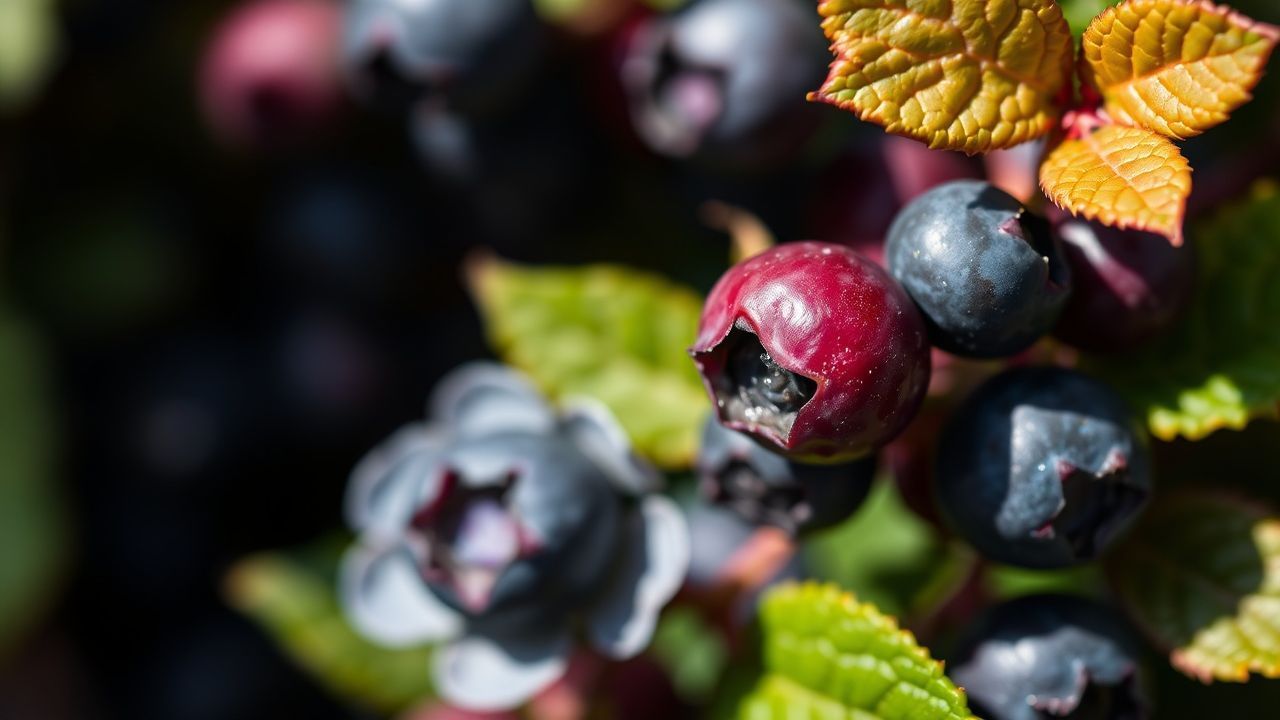
Recognize wild blueberries by their small size, dusky blue skin with a powdery bloom, and growth on short, woody shrubs with oval, smooth-margined leaves. When ripe, berries pull off easily from the stem and are slightly soft to the touch.
Compare physical traits to avoid toxic lookalikes and confirm identity using field guides or reputable resources such as the general blueberry overview. If in doubt, photograph the plant and cross-check with experts rather than risking ingestion.
Prep and Cook Time
Preparation: allow 15 minutes for sorting, rinsing, and simple prep. Sorting removes stems, unripe or damaged fruit and improves shelf life.
Cooking: most quick blueberry reductions or sauces finish within 10–20 minutes over low heat. Simmer gently to preserve berry shape and volatile flavor compounds.
- Preparation: 15 minutes (cleaning and sorting)
- Cooking: 20 minutes (simple warm compote)
Yield
This basic batch yields about 4 cups of dressed wild blueberries, suitable for toppings or small desserts. Portion sizes depend on use; 1 cup per person works well for breakfast toppings.
When scaling up for preserves, calculate roughly 8–10 cups of fresh berries per quart of finished jam, accounting for reduction during cooking. Adjust sweetener and acid balance to taste.
Difficulty Level
Foraging and simple prep are accessible to beginners with basic plant ID skills and common sense in the field. The physical work of picking and walking can vary but remains low-impact for most people.
Intermediate skills include selecting optimum picking locations, judging ripeness quickly, and applying sustainable harvest practices to protect future crops and local wildlife needs.
Ingredients
Below is a small-batch recipe for a dressed wild blueberry medley suitable as a topping or light dessert. Components are flexible based on sweetener preference and acidity level of the berries.
- 4 cups fresh wild blueberries, rinsed and drained
- 1/4 cup maple syrup or honey
- 1 tablespoon fresh lemon juice
- 1 teaspoon vanilla extract (optional)
- Pinch of cinnamon or nutmeg
Instructions
Select: choose plump, deeply colored berries with a powdery bloom. Avoid fruit that is shriveled, moldy, or stuck to the stem, which indicates underripe or damaged berries.
Rinse gently: place berries in a colander and rinse under cool running water; shake lightly and let drain to avoid sogginess. Toss with syrup, lemon, vanilla, and a pinch of spice, stirring gently to coat without bruising.
- Combine ingredients: mix blueberries with maple syrup, lemon juice, vanilla, and spice in a medium bowl.
- Marinate: cover and refrigerate 10 minutes to meld flavors; ideal for breakfast toppings or quick sauce.
- Warm serving (optional): transfer to a saucepan and heat on low for about 5 minutes until berries soften but retain shape.
Simple warm option
Heat gently to avoid breaking skins. Warmed berries pair strongly with ice cream and warm pastries because heat amplifies aromatic compounds and softens texture.
Serve immediately after warming; leftover warmed compote refrigerates well for 3–4 days and reheats gently on low heat.
Tips for Success
Spot ripe berries: ripe wild blueberries detach easily and have an even, dark blue tone. Practice a gentle tug test to speed selection across bushes.
Harvest sustainably: pick selectively, leaving some clusters intact for wildlife and plant reproduction. Avoid damaging branches and minimize trampling of surrounding understory.
Store fresh berries in a breathable container in the refrigerator, ideally on paper towels to absorb excess moisture. For longer storage, freeze in a single layer on a tray, then transfer to airtight bags once frozen.
Serving Suggestions
Use the dressed berries over creamy yogurt, pancakes, or porridge for immediate enjoyment. Their concentrated flavor works well as a bright contrast to rich, fatty elements like mascarpone or whipped cream.
For dessert, fold cooled berries into whipped cream or spoon warm compote over vanilla ice cream. Garnish with fresh mint or citrus zest to lift aromatic notes.
Nutrition Snapshot
Wild blueberries are low in calories and deliver vitamins, dietary fiber, and antioxidant polyphenols per serving. They make an efficient ingredient for nutrient-dense toppings and preserves.
| Nutrient | Per Serving |
|---|---|
| Calories | 70 |
| Protein | 1 g |
| Carbohydrates | 18 g |
| Fat | 0.3 g |
Ethics, access and legal considerations
Always confirm land access and local regulations before foraging. Public lands, private property, and protected areas have distinct rules that affect where and how you may harvest.
Follow ethical foraging practices: take only what you will use, avoid rare plant populations, and replace leaf litter when possible to maintain soil health. These practices help maintain healthy berry populations for future seasons.
Further reading and references
Expand your knowledge through authoritative botanical references and guides on foraging and berry species. Useful starting points include general pages on wild fruit and foraging principles.
Relevant resources: general background on foraging, the category of berries, and taxonomic information on Vaccinium.
FAQ
How do I tell wild blueberries from other small blue fruits?
Check plant habit, leaf shape, and the powdery bloom on the fruit. Ripe wild blueberries detach easily and are slightly soft; when unsure, consult local field guides or an experienced forager.
When is peak season for wild blueberry picking?
Peak season varies by region but commonly falls between late July and early September in many temperate zones. Local microclimates can shift timing by a few weeks.
Can children safely join foraging trips?
Yes. Foraging teaches plant ID and ecology. Supervise children closely, instruct them not to eat fruit until an adult confirms identification, and make the outing educational and fun.
What is the best way to store freshly picked wild blueberries?
Keep berries cool and dry in a breathable container; refrigerate for up to five days. For long-term storage, freeze in a single layer before bagging to prevent clumping.
Are wild blueberries better than cultivated ones?
Wild blueberries often concentrate flavor compounds and antioxidants due to genetic and environmental factors. Cultivated varieties may offer larger size and higher yields but different flavor profiles.
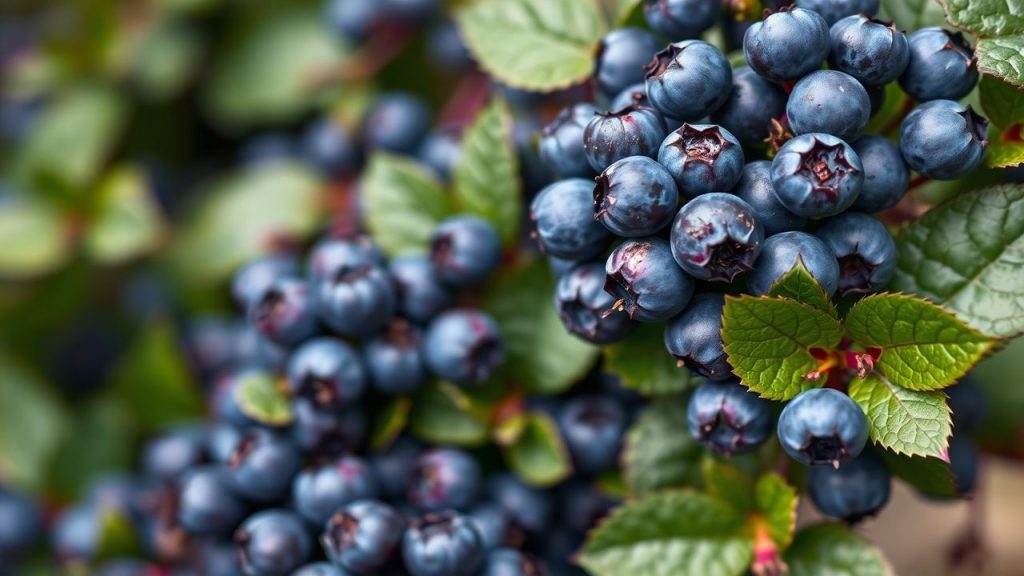
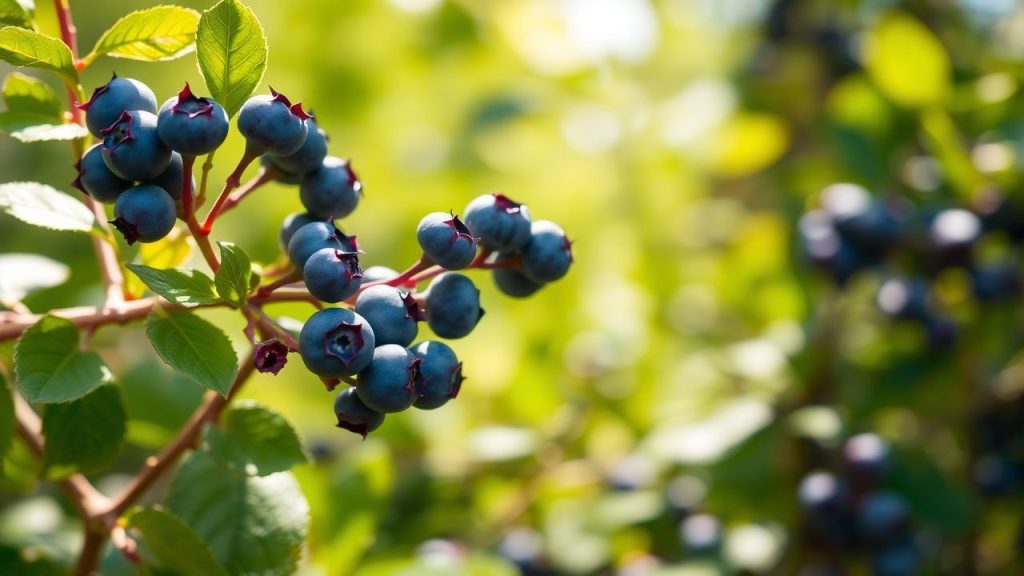
Embark on your Berry Quest with respect for habitats and a focus on learning. Each trip sharpens your eye and rewards you with flavorful, natural fruit and the satisfaction of practiced, ethical foraging.
See also: wild blueberries