
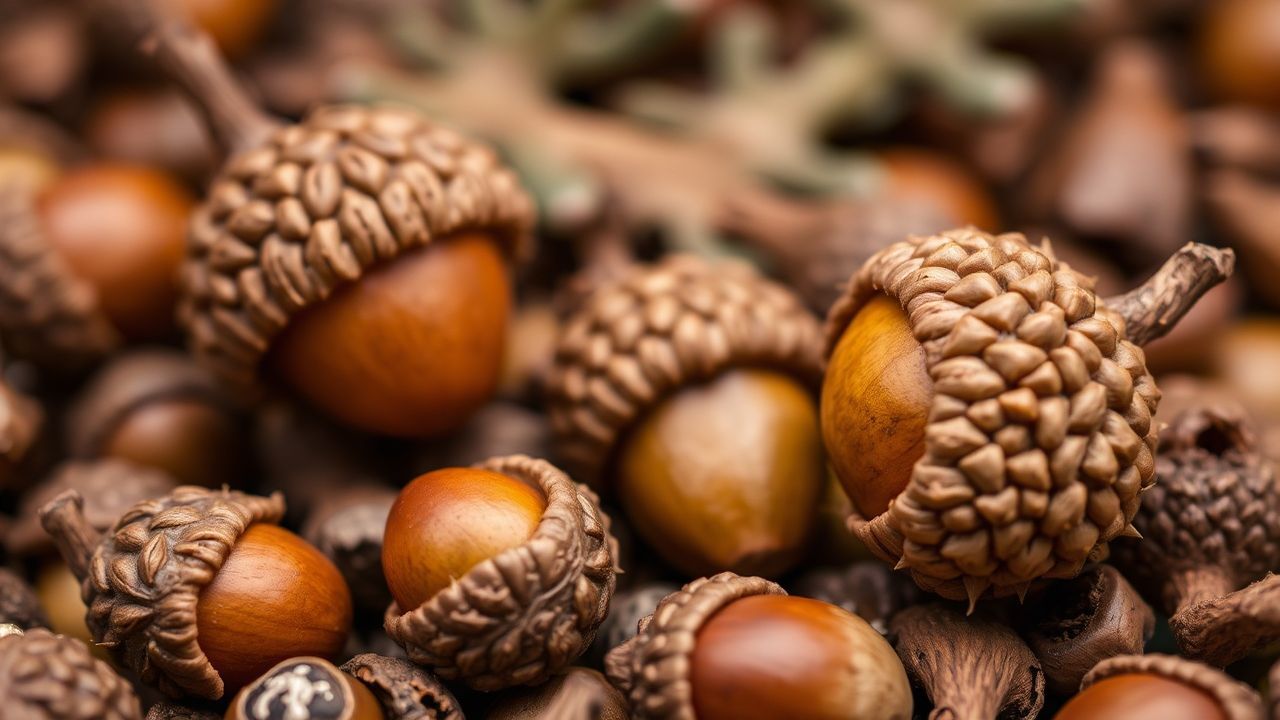

Acorns offer a bold, caffeine-free alternative to traditional coffee that rewards patience and technique. This guide walks you through gathering, leaching, roasting, grinding, and brewing acorns for a rich, nutty beverage.
- Bold flavor: Properly processed acorns yield a deep, nutty brew without caffeine.
- Low impact: Foraged acorns reduce reliance on conventional coffee supply chains.
- Practical steps: Leaching tannins and correct roasting are critical for a pleasant cup.
- Flexibility: Brew with French press, pour-over, or blend with regular coffee to customize strength.
What Is Acorn Coffee and Why Try It?
Acorn coffee comes from roasted and ground acorns, historically used as a staple in times when coffee was scarce. People value it for a nutty aroma and a smooth, low-acidity profile that differs from traditional coffee.
Additionally, acorns are the nuts of oak trees and contain tannins that require removal before consumption. For background on the nut itself, see the acorn entry.
Prep and Cook Time
Preparation: 45–60 minutes active time, plus 24–48 hours soaking for leaching. Active steps include shelling, drying, and roasting; soaking removes bitter compounds.
Roasting & Brewing: Roasting takes about 20–30 minutes in two stages; brewing ranges 4–6 minutes depending on method. Allow cooling time before grinding to protect equipment and flavor.
Yield and Difficulty
Yield: Roughly 4 cups of brewed acorn coffee from 2 cups raw shelled acorns. Yields vary with roast depth and grind size.
Difficulty: Medium. The most technical parts are thorough leaching of tannins and learning roast profiles. Repeat practice yields consistent results.
Ingredients
Base: 2 cups raw, mature acorns (shelled and leached). Use only firm, brown acorns free of wormholes or green skin.
Other: Water for soaking and brewing (about 4 cups), optional 1 tsp cinnamon or ½ tsp nutmeg, and sweetener to taste. Store roasted grounds airtight for freshness.
Optional Add-ins
Try plant-based milks like oat or almond for a creamy mouthfeel that complements the nutty profile. Spices such as cinnamon or a small orange peel twist brighten the aroma.
To balance caffeine or alter body, blend roasted acorn grounds with regular coffee beans at ratios you prefer. That technique allows gradual flavor adaptation.
Tools and Safety Notes
You’ll need a nutcracker or hammer, bowls for soaking, a fine strainer, an oven or skillet for roasting, and a grinder. A French press, pour-over, or drip brewer works well for brewing ground acorns.
When foraging, always respect private property and local regulations; verify tree species to avoid confused harvesting. Foraging basics are summarized in the foraging article.
Instructions
1. Shell and Leach the Acorns
Crack shells with a nutcracker or light hammer and remove the nutmeat. Then soak nuts in cold water for 24–48 hours, changing water every 8–12 hours until bitterness subsides.
Alternatively, boil and rinse repeatedly until tannin bitterness reduces. Learn about tannin chemistry at the tannin page to understand why leaching matters.
2. Dry the Acorns
Drain the leached acorns and pat them dry. Spread them on a baking sheet and dry at low oven heat or air-dry until surface moisture disappears.
Drying prevents steam and off-flavors during roasting. For small batches, a skillet drying stage works well to finish moisture removal.
3. Roast to Flavor
Roast in a preheated oven at 350°F (175°C) for an initial 10–12 minutes, then finish in a skillet on medium heat for 10–15 minutes. Stir frequently to develop even coloration and aroma.
Adjust roast time for desired notes: shorter roasts favor nutty, floral tones; longer roasts yield deeper, chocolate-like character. See roasting techniques at roasting (cooking).
4. Cool and Grind
Cool roasted acorns completely, then grind to a medium-coarse texture for French press or medium-fine for drip methods. Fresh grinding preserves volatile oils and maximizes aroma.
A standard starting ratio is 1 tablespoon ground acorns per cup of water; adjust for strength. Avoid ultrafine grinding, which increases sediment and bitterness.
5. Brew and Serve
Use your preferred brewer: French press for body, pour-over for clarity, and drip for convenience. Brew 4–6 minutes for French press; adjust steep time for taste with other methods.
Serve black or with milk and sweetener. Try a small orange zest or cinnamon dusting to lift the aroma and complement the roast.
After brewing, discard used grounds responsibly and clean equipment to prevent stale flavors. Store unused roasted acorns in an airtight container away from heat and light.
Tips for Success
Be deliberate with leaching: patience pays in a smooth final cup. If your brew tastes astringent, repeat a soak cycle until the water runs clear and the bitterness fades.
Experiment with roast profiles and small batches to define your preferred flavor. Keep a log of roast time, temperature, and grind size to reproduce winning results.
Also, grinding just before brewing keeps aromatic compounds intact, so grind small amounts for daily use. Freshly brewed acorn coffee shows its best within the first 20 minutes after brewing.
Serving Suggestions
Acorn coffee pairs well with breakfast pastries and dense, earthy desserts like pumpkin bread. Plant-based milks such as oat and almond add creamy texture and sweet nuance.
For a seasonal touch, top with a light dusting of cinnamon or a twist of orange peel. Alternatively, mix acorn grounds with roasted coffee beans at 20–50% acorn by weight for a balanced, lower-caffeine cup.
Nutritional Snapshot
Roasted acorn infusions are low in calories and contain small amounts of protein and fiber. The brewed beverage provides a mild, earthy sip rather than a nutrient-dense meal replacement.
Whole acorns have higher nutrient content; however, the brewed drink extracts primarily flavor compounds and soluble elements. If you need detailed composition, consult botanical references on oak species.
| Nutrient | Per 1 Cup Serving |
|---|---|
| Calories | 15 kcal |
| Protein | 0.5 g |
| Carbohydrates | 3 g |
| Fat | 0.2 g |
Sustainability and Sourcing
Harvesting acorns can be low impact when sourced from urban parks, woodlands, or responsibly managed forests. Acorns are renewable and often abundant, which reduces pressure compared to industrial coffee production.
Always avoid overharvesting in one location, and check local rules before foraging on public or private land. For more on oak ecology and human use, see the oak overview.
Final Notes
Acorn coffee invites experimentation: roast depth, grind size, and brew method shape the final cup. Start small and tweak variables to find the balance you enjoy.
Finally, treat the process as culinary craft rather than a quick swap. The ritual of preparing acorns connects flavor to technique, seasonality, and place.
FAQ
Q: Are acorns safe to eat and brew?
A: Yes, after proper leaching to remove tannins. Untreated acorns taste bitter and can irritate digestion, so perform soaking or boiling cycles until bitterness subsides.
Q: How long do roasted acorn grounds stay fresh?
A: Store roasted grounds in an airtight container for up to 2–4 weeks for best aroma. Keep them in a cool, dark place away from heat and sunlight to slow staling.
Q: Can I use acorn coffee in espresso machines?
A: You can, but acorn grounds behave differently than coffee beans. Start with a coarser espresso grind and short extraction to avoid over-extraction and excess sediment.
Q: Where can I source acorns if I don’t forage?
A: Specialty producers and small-batch food makers sometimes sell roasted acorns or acorn flour. Verify product quality and processing methods when buying commercially.
Q: Will acorn coffee give me caffeine?
A: No. Pure acorn coffee is naturally caffeine-free. If you need a kick, blend roasted acorn grounds with regular coffee at a ratio that suits your tolerance.
See also: Acorn coffee