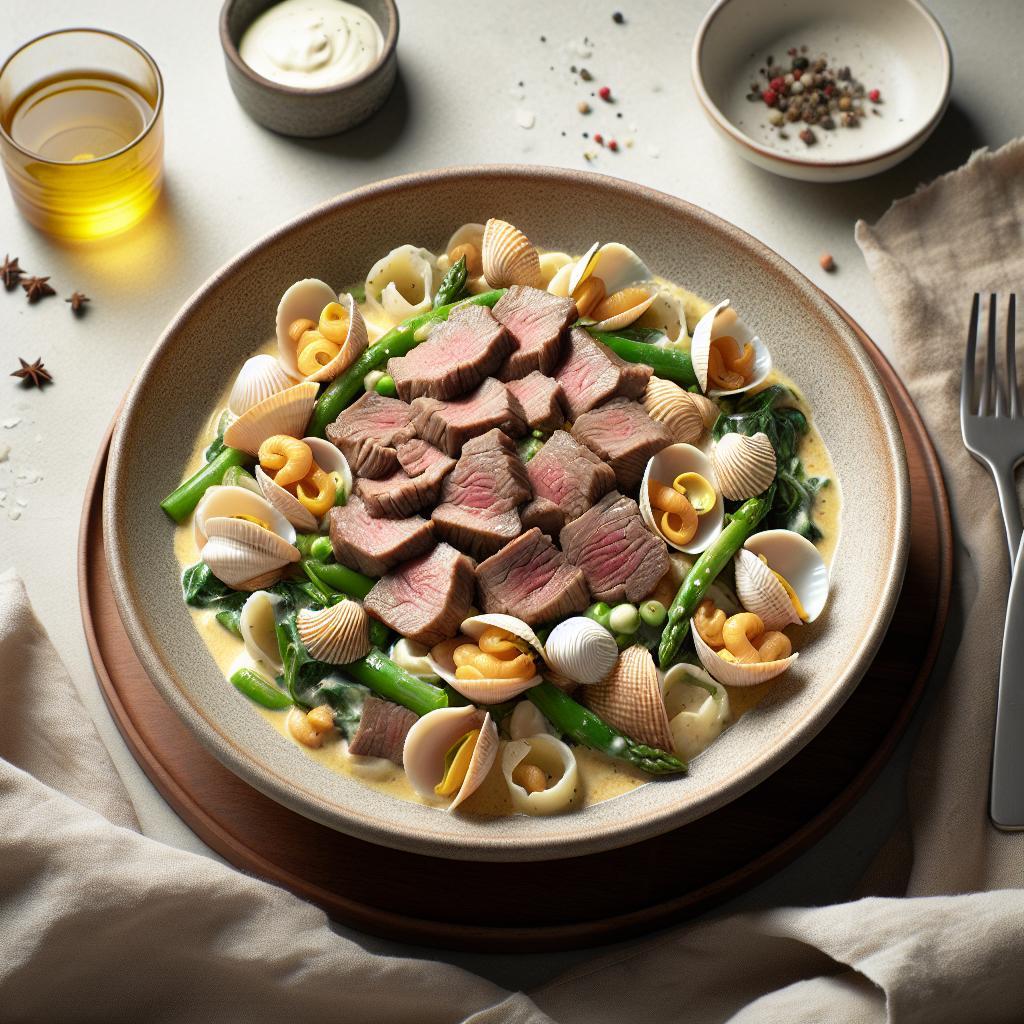

Creamy beef and shells deliver a straightforward comfort meal that performs consistently when technique pairs with quality ingredients. The combination of tender ground beef, shell pasta that cradles sauce, and a silky cream-based binder creates a dish built on texture and savory balance.
- Make-ahead friendly: components reheat well without losing texture.
- Flavor depth: browning beef and finishing with Worcestershire enhances umami.
- Sauce control: a proper roux prevents grainy or broken sauce.
- Pasta choice matters: shells trap sauce and beef for optimized bite.
Prep and Cook Time
Plan 45 minutes total: about 15 minutes of prep and roughly 30 minutes of hands-on cooking. This window covers pasta boiling, browning beef, building a roux, and finishing the cheese sauce.
For batch cooking, allow an extra 10 minutes for assembly and resting. Cooling and storing require different handling, which affects total turnaround for reheating or freezing.
- Preparation Time: 15 minutes
- Cooking Time: 30 minutes
- Total Time: 45 minutes
Yield
This recipe yields four hearty servings, ideal for a family dinner or two adults plus leftovers. Portion control and side choices adjust how many plates the recipe will stretch to.
Leftovers reheat well in a skillet or oven, preserving creaminess when you add a splash of milk. For meal prep, store sauce and pasta separately to retain texture.
Difficulty Level
Rated easy to medium for cooks who handle basic knife work and stovetop technique. The primary skill points are correctly browning beef and making a smooth roux-based sauce.
Beginners can follow step-by-step instructions and still achieve professional results. Practicing roux whisking and gradual dairy incorporation reduces error and increases consistency.
Ingredients
Use medium to large pasta shells to trap sauce and beef effectively; learn more about pasta structure at pasta. Select fresh dairy and a flavorful ground beef to form the recipe’s backbone.
Good salt control and ingredient temperatures influence emulsification when you combine dairy with a roux. Read labels for additives if you have dietary constraints and adjust accordingly.
- 12 oz medium pasta shells
- 1 lb lean ground beef (80/20 recommended for richness)
- 1 tbsp olive oil
- 1 small yellow onion, finely diced
- 3 cloves garlic, minced
- 1 cup whole milk
- 1 cup heavy cream
- 3 tbsp unsalted butter
- 3 tbsp all-purpose flour
- 1 ½ cups sharp white cheddar cheese, shredded
- 1 tsp smoked paprika
- ½ tsp freshly ground black pepper
- 1 tsp kosher salt, or to taste
- 2 tsp Worcestershire sauce
- Fresh parsley for garnish, finely chopped
Instructions
Follow an ordered workflow: cook pasta first, brown beef while the pasta drains, then make the sauce and combine. Staging components prevents overcooking and keeps textures distinct.
Use medium heat and continuous whisking during sauce assembly to avoid lumps. Allow the sauce to thicken on low heat and incorporate cheese off the heat to preserve silkiness.
- Cook the shells: Bring a large pot of salted water to a boil. Add the pasta shells and cook until al dente, about 9 minutes; drain and rinse briefly to stop carryover cooking.
- Sauté aromatics: Heat olive oil over medium-high heat and soften diced onion until translucent, about 4 minutes. Add garlic and cook 1 minute until fragrant.
- Brown the beef: Add ground beef and break it up with a spoon; brown thoroughly for 7–8 minutes. Season with salt, pepper, and smoked paprika, then drain excess fat.
- Make the roux: Melt butter in a saucepan over medium heat, whisk in flour, and cook 2–3 minutes until it smells nutty and turns pale golden. Constant stirring prevents scorching and ensures even thickening.
- Build the cream sauce: Gradually whisk milk and cream into the roux until smooth, then simmer until it thickens, about 5 minutes. Remove from heat and stir in shredded cheddar until fully melted for a glossy finish.
- Combine components: Stir Worcestershire into the beef, fold in pasta shells, and pour the cheese sauce over the mixture. Fold gently to coat shells while preserving structure.
- Finish and serve: Adjust seasoning and transfer to a serving dish, or bake at 350°F for 10 minutes if you prefer a bubbly top. Garnish with chopped parsley for color contrast.
- Storage: Cool quickly and refrigerate within two hours; store up to 3 days or freeze in portions for 1 month.
Tips for Success
Small technique changes yield big improvements: brown beef until you see caramelized bits, and whisk the roux thoroughly before adding dairy. These steps add flavor and prevent a grainy texture.
Control sauce consistency by adjusting dairy volume and cooking time. Thin with milk if it tightens too much, and reduce longer to thicken without added flour.
- Pasta choice: Medium to large shells trap beef and sauce for balanced bites.
- Cheese timing: Add shredded cheese off the heat to avoid separation.
- Vegetable add-ins: Sauté mushrooms or spinach and fold them into the sauce for color and nutrition.
Allow the assembled dish to rest five minutes before serving so sauce sets slightly. Resting concentrates flavors and makes plating neater.
Serving Suggestions
Serve piping hot with a crisp green salad dressed simply with lemon and olive oil to cut richness. Offer crusty bread for scooping and a bright herb garnish for freshness.
Adjust accompaniments for contrast: acid and crunch lift the heavy dairy, while a sprinkle of high-acid cheese can brighten each bite. For beverage pairings, choose something with moderate acidity to balance the cream.
Nutrition
This build balances protein from beef with carbohydrates from pasta and fats from dairy. A typical serving provides a solid macro split useful for family meals where satiety matters.
Values vary by ingredient choices such as lean percentage and cheese type; swap lower-fat dairy to reduce total calories. Use the table for a baseline and adjust portions to meet dietary targets.
| Nutrient | Per Serving |
|---|---|
| Calories | 620 kcal |
| Protein | 40 g |
| Carbohydrates | 45 g |
| Fat | 28 g |
Q&A
Frequently asked points often focus on texture, customization, and child-friendly adaptations. Clear technique steps help resolve these common questions efficiently.
Below are concise answers to typical concerns and common swaps that keep the dish close to the original while adapting to preferences. These responses are practical and based on stovetop cooking science.
Q1: What makes this dish comforting?
A1: The mix of creamy mouthfeel and savory beef delivers both fat and umami, which the brain interprets as satisfying. Textural contrast from shell pasta enhances that sensation.
Q2: Why use shells specifically?
A2: Shells act like small scoops, capturing sauce and beef for concentrated flavor per bite. That geometry increases flavor delivery compared with long pasta.
Q3: How do I keep the sauce smooth?
A3: Whisk a proper roux and add dairy gradually over low heat, and finish cheese off heat to avoid separation. Gentle heat stabilizes proteins and emulsifies fats.
FAQ
This FAQ section answers practical queries in a short, scannable format for quick reference. Each question reflects real kitchen situations and offers actionable fixes.
Use these answers when you need immediate troubleshooting during prep, cooking, or storing. They serve as a quick checklist to maintain quality across batches.
Can I substitute ground turkey for beef?
Yes. Ground turkey reduces saturated fat but delivers milder flavor, so increase aromatics and consider a splash of soy or Worcestershire to boost umami. Adjust cooking time to fully brown the turkey without drying.
How do I prevent grainy cheese sauce?
Grate cheese fresh and add it off the heat, stirring until smooth. If sauce breaks, warm gently and whisk in a teaspoon of hot milk to re-emulsify.
Is this dish freezer-friendly?
Freeze in portions after cooling, ideally separating pasta and sauce for best texture. Reheat gently from frozen in a low oven or covered skillet, adding small amounts of milk to restore creaminess.
Can I make this dairy-free?
Use a stabilized plant-based cream and milk alternative and select a dairy-free cheese that melts well. Emulate the roux with oil and flour, then whisk plant fluids in slowly to achieve the same viscosity.
What wine pairs with creamy beef and shells?
Choose medium-bodied reds with moderate tannin and bright acidity, or a full-bodied white with good acidity to cut the cream. These profiles maintain balance and refresh the palate between bites.
For technique reference on sauce foundations, consult the classic béchamel sauce entry. For protein background, see the beef overview. For cheese selection principles, review the Cheddar cheese article.
See also: Creamy Beef