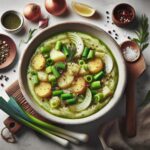
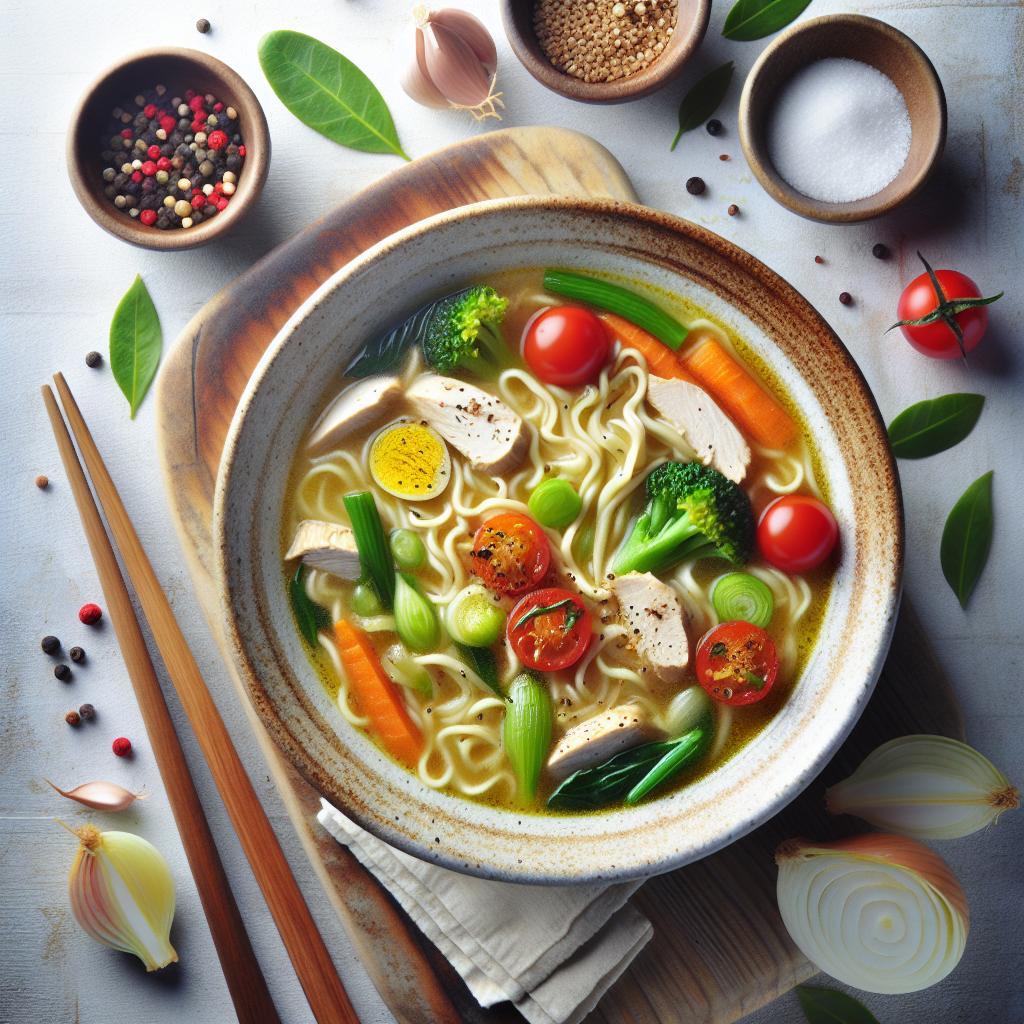

When the air turns crisp, a hot bowl of chicken soup soothes fast and reliably. This one-pot method combines tender chicken, hearty noodles, and bright vegetables in a single simmer. It minimizes cleanup while maximizing flavor and warmth for busy evenings or sick-day recovery.
- Ready in under an hour: active prep ~15 minutes, simmer ~40 minutes.
- One pot, less cleanup: sauté, simmer, and finish all in the same pot.
- Flexible: swap in rotisserie chicken, change noodle shapes, or use vegetable stock for a vegetarian version.
- Make ahead: broth-based chicken soup deepens in flavor after resting overnight.
Overview and Why One-Pot Chicken Soup Works
One-pot chicken soup concentrates flavor by letting ingredients mingle as they simmer. The single-pot approach reduces dishes, saves time, and lets you control texture from start to finish.
Simmering aromatics, chicken, and noodles together allows starches and proteins to contribute body without separate steps. For reference on the dish’s cultural role, consult the chicken soup entry.
Prep and Cook Time for Chicken Soup
Preparation: 15 minutes. Cooking: 40 minutes. These estimates assume you use pre-cooked chicken or a rotisserie bird for speed.
Active tasks include chopping and sautéing; passive time covers a gentle simmer to develop the broth. If you make stock from bones, plan roughly 55–90 minutes extra for a richer base.
Yield and Portioning
This recipe yields about 6 generous bowls, ideal for a family dinner or for portioning into lunches. Scale the ingredients proportionally for larger batches, keeping the liquid-to-solid ratio consistent.
When freezing, omit noodles to preserve texture and reintroduce freshly cooked pasta when reheating. Proper portioning ensures even reheating and dependable serving sizes.
Difficulty Level and Equipment
Rated Easy. Basic knife skills and simple simmer control suffice, so beginners can follow this chicken soup method confidently. A heavy-bottomed pot or Dutch oven gives even heat and prevents hot spots.
Experienced cooks can refine the broth by roasting bones or reducing liquids for concentrated flavor. Use a fine-mesh strainer for clear stock and a thermometer when testing reheated portions.
Ingredients for Chicken Soup
Gather pantry staples and fresh items before you start to keep the cooking flow efficient. Using pre-cooked or store-bought rotisserie chicken cuts active prep time significantly.
Key ingredients include olive oil, onion, garlic, carrots, celery, low-sodium chicken broth, shredded chicken, dried herbs, salt, pepper, egg noodles, and a splash of lemon to brighten the bowl. For noodle behavior and choices, see noodle.
- 1 tablespoon olive oil
- 1 medium yellow onion, finely chopped
- 3 cloves garlic, minced
- 3 medium carrots, peeled and sliced
- 2 celery stalks, thinly sliced
- 6 cups low-sodium chicken broth or stock
- 2 cups cooked shredded chicken (rotisserie works well)
- 1 teaspoon dried thyme
- 1 teaspoon dried parsley
- 1/2 teaspoon freshly ground black pepper
- 1/2 teaspoon kosher salt, adjust to taste
- 2 cups egg noodles
- 1 tablespoon fresh lemon juice (optional)
- Fresh parsley for garnish
Step-by-Step Instructions
Follow the sequence to maintain texture and maximize flavor. Keep heat moderate so you sweat vegetables instead of browning them hard.
Use a wooden spoon to scrape the pot and monitor doneness. Test noodles frequently for al dente texture and avoid overcooking.
- Heat the oil in a large heavy-bottomed pot over medium heat. Add the chopped onion and sauté 4–5 minutes until soft and translucent, stirring occasionally.
- Add garlic, carrots, and celery and cook another 5 minutes until the vegetables begin to soften and the aromas open up. This builds the soup’s aromatic base.
- Pour in the chicken broth and scrape the pot bottom to release any fond. Bring to a gentle boil, then reduce to a low simmer to meld flavors for 15 minutes.
- Stir in shredded chicken and seasonings—thyme, parsley, salt, and pepper. Simmer gently for 10 minutes so the chicken warms through without drying.
- Add the egg noodles and cook uncovered for 6–8 minutes until the noodles are tender but still firm. Stir occasionally to prevent sticking and to test doneness.
- Finish with lemon juice if using, then adjust seasoning. Serve immediately with a sprinkle of fresh parsley for color and brightness.
- Leftover handling: undercook noodles slightly if you plan to refrigerate, and finish cooking when reheating to prevent mushy strands.
Browning and Stock Notes
Browning bones or roasting vegetable trimmings before simmering creates deeper roast flavors in homemade stock. For technical background, review stock (food).
When using homemade stock, skim fat and solids for a clear, refined broth. Store-bought low-sodium broth speeds assembly and lets you control final salt levels.
Noodle Timing and Texture Control
Add noodles near the end of the cook time and test frequently for al dente texture. Different pasta shapes and brands vary in cook time, so follow package guidance and taste for doneness.
If you plan to freeze soup, do not add noodles before freezing; instead, cook fresh noodles when reheating. This preserves bite and avoids a cloudy, gluey broth.
Tips for Enhancing Chicken Soup Flavor and Texture
Small technique shifts yield consistent improvements. Roast bones or vegetable scraps for a caramelized foundation, and add dried herbs early so they infuse the broth.
Reserve delicate fresh herbs for the end so their aroma and color remain vibrant. Use acid at the finish to lift depth without extra salt.
- Roast bones or vegetable scraps before simmering to deepen flavor.
- Reserve fresh herbs for garnish to retain aroma and color.
- Swap half the noodles for small shapes like orzo for a heartier texture.
- Do not overcook noodles; add them last and watch closely to maintain bite.
Serving Suggestions to Make Chicken Soup a Full Meal
Pair the soup with contrasting textures to elevate the experience. Try a crisp green salad or warm crusty bread to soak up broth and balance mouthfeel.
Top bowls with grated parmesan, garlic croutons, or a drizzle of flavored oil for a restaurant-style finish. For cultural context about comfort dishes, see comfort food.
Explore more related recipes in our Soup collection or browse similar ideas under Chicken soup recipes on this site for variations and sides.
Nutritional Information per Serving
This one-pot chicken soup averages around 260 calories per serving with approximately 22 g protein and 6 g fat, depending on chicken cuts and noodle type. Using low-sodium broth controls sodium per serving.
Swap in whole-grain noodles or add more vegetables to increase fiber and micronutrient content. For precise macros, calculate using ingredient brands and exact amounts in your preferred nutrition tool.
| Calories | Protein | Carbs | Fat |
|---|---|---|---|
| 260 | 22g | 28g | 6g |
Storage, Make-Ahead, and Freezing Strategy
Store cooled soup in airtight containers and refrigerate up to 3–4 days for best quality. For longer storage, freeze the broth and chicken mixture without noodles for up to 3 months.
Reheat gently on the stovetop, adding batches of freshly cooked noodles when serving. This approach preserves noodle texture and gives the reheated bowl a fresher mouthfeel.
Final Notes for Home Cooks
Follow the method consistently and adjust seasonings by tasting at the end. Small finishing touches—fresh parsley or lemon—lift the final bowl and create a balanced profile.
Practice timing to get noodles and chicken at ideal doneness. After a few batches, you will refine cook times for your particular pot, noodle brand, and stove settings.
FAQ
Can I use raw chicken instead of pre-cooked?
Yes. Add raw boneless chicken pieces early so they cook through in the simmering broth. Use bone-in pieces for more flavor and extend simmer time until the meat reaches a safe temperature.
Alternatively, poach a whole chicken separately to make a richer stock, then shred the meat into the finished soup and strain the poaching liquid for clarity.
How do I prevent noodles from getting mushy in leftovers?
Store noodles separately from the broth when possible and refrigerate both in airtight containers. When reheating, heat the broth to a simmer and add freshly cooked noodles just before serving.
If you can’t separate, undercook noodles slightly during the initial cook so they retain some firmness after refrigeration. Reheat gently to avoid further breakdown.
What are good vegetarian swaps that keep the soup satisfying?
Use a rich vegetable stock and substitute shredded king oyster mushrooms or firm tofu for texture. Add umami boosters such as miso or roasted mushrooms to replace meat depth.
Include hearty vegetables like parsnips or potato to improve mouthfeel and satiety. Simmer those components slowly to integrate flavors fully and maintain structure.
How can I deepen the broth’s flavor quickly?
Brown aromatics and roast any bones or vegetable trimmings before simmering to accelerate flavor development. Reduce the broth slightly to concentrate taste without increasing salt.
Finish with a small splash of acid—lemon or a mild vinegar—to lift and balance savory notes. A bright finish makes a big difference in perceived richness.
What noodle shapes work best with this soup?
Traditional egg noodles pair well because they absorb broth without disintegrating. Small shapes such as ditalini, orzo, and small shells also work and provide a hearty mouthfeel.
Match noodle size to your preference and cooking time; always add them late in the process and cook to al dente for best results. For more context on noodle types, see noodle.
See also: Browse more variations in our Soup collection.
Recommended Reading:
- 7 Hearty Chicken Soup Tips for Comfort and Flavor
- Savor the Richness: Creamy Spinach Chicken Pasta Delight
- Savor the Flavor: One-Pot Cajun Chicken Rice Recipe Guide