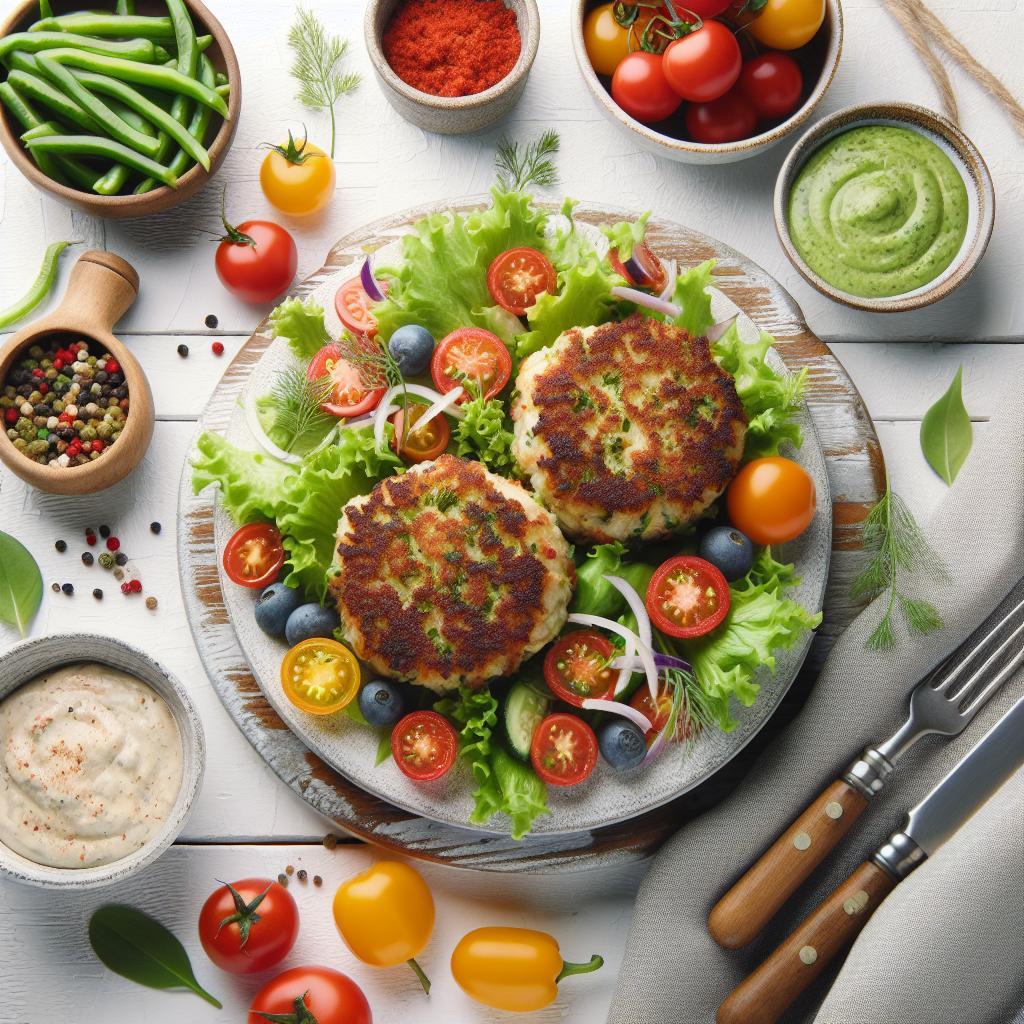

Crab cakes pair sweet shellfish with a crisp, golden crust and bright aromatics. With a few focused techniques and the right ingredients, you can reproduce restaurant texture at home without fuss.
- High-impact tip: use fresh lump crab and minimal handling to keep texture intact.
- Time saver: chilling the formed cakes before frying prevents breakage.
- Flavor lift: balance richness with lemon and a touch of mustard for depth.
- Finish: panko on the exterior creates a consistently golden crust.
Crafting the Perfect Crab Cake Mix with Fresh Ingredients
Choose quality crab. Fresh lump crab delivers sweet, flaky pieces that define the dish. Handle the meat gently to preserve its natural bite and keep chunks intact.
Build a binding that supports but does not mask the crab. Use a light hand with mayonnaise and one egg; breadcrumbs should add structure without dominating the flavor. For a quick primer on seafood classification, see seafood.
Key Ingredients and Why They Matter
Lump crab meat: pick over for shells and avoid vigorous stirring. Large flakes create textural contrast against a crisp exterior and preserve perceived freshness.
Panko and binding: panko breadcrumbs provide a light, airy structure that holds moisture. Swap to toasted panko for added nuttiness without changing mix hydration. See panko for background on crumb differences.
Seasoning Strategy
Layer small doses of seasoning across ingredients rather than dumping salt at the end. Lemon brightens; Dijon adds subtle sharpness; a mild seafood seasoning ties flavors together. Use tasting as your control point.
Fresh herbs like parsley and chives add color and a clean herbal note without heavy-handed spice. Reserve any assertive components—hot sauce or smoked paprika—for a test cake, not the whole batch.
Prep and Cook Time
Real timing: plan about 15 minutes to prep and 10–12 minutes to cook, plus 30 minutes chilling for best results. This fits a weeknight while keeping quality high.
Set a thermometer if you prefer precision: target an internal temperature around 145°F for cooked shellfish. That range ensures safety while preserving juiciness.
Yield and Difficulty
This recipe yields roughly eight medium crab cakes — about two per serving for four people. Scale ingredients linearly but maintain binder ratios to preserve texture and moisture.
Difficulty rates easy-to-medium. The two technical skills are gentle handling and consistent heat control; execute those and you achieve restaurant-style results at home.
Ingredients
Use measured components and keep ingredients prepped in bowls for efficient assembly. Mise en place reduces active handling time and keeps the crab intact.
- 1 lb lump crab meat, picked over for shells
- 1/2 cup mayonnaise (high-quality)
- 1 large egg, lightly beaten
- 2 tbsp finely chopped fresh parsley
- 1 tbsp finely chopped chives
- 1 tsp Dijon mustard
- 1 tsp seafood seasoning
- 1 tbsp freshly squeezed lemon juice
- 1/4 cup panko breadcrumbs, plus extra for coating
- Salt and freshly ground black pepper, to taste
- 3 tbsp unsalted butter, for frying
- 2 tbsp neutral oil, for frying
Instructions
Lay out mise en place: measure, chop, and separate ingredients. Efficient preparation reduces assembly time and keeps you focused on gentle folding rather than frantic mixing.
Work quickly but gently when combining components. The objective is cohesion, not homogeneity; overworking pulverizes lumps and produces a pasty texture.
- Prepare the crab mix: In a large bowl, fold the lump crab meat, mayonnaise, egg, parsley, chives, Dijon mustard, seafood seasoning, lemon juice, and panko. Season lightly with salt and pepper. Fold until ingredients cling without pulverizing the crab.
- Shape the cakes: Divide the mix into eight portions and form 3-inch patties about 3/4 inch thick. Lightly press extra panko onto the exterior for a crisp finish that fries consistently.
- Chill to set: Refrigerate the patties at least 30 minutes. Chilling firms the cake surface and reduces crumbling during the sear.
- Heat your skillet: Warm the oil and butter over medium heat until shimmering but not smoking. A hot pan that isn’t too hot yields a golden crust without burning.
- Cook the crab cakes: Fry, leaving space between cakes. Cook 4–5 minutes per side until golden-brown. Flip gently and finish on the second side for an even crust and moist interior. For technique context, see frying.
- Drain and serve: Transfer to a wire rack over paper towels to drain excess oil. Keep warm in a low oven if you finish multiple batches.
Chef’s Notes: Tips for Success
Ingredient swaps: Use gluten-free panko or crushed rice crackers to suit dietary needs. Swap half the mayo for Greek yogurt for a tangier, lighter binder that still holds moisture.
For flavor depth, add a dash of Worcestershire or hot sauce and briefly toast the panko before mixing for a subtle, nutty upgrade. Test a single cake to adjust seasoning and texture before cooking the entire batch.
Serving Suggestions and Pairings to Impress Your Guests
Present crab cakes with lemon wedges and a bright herb salad to balance richness. A creamy remoulade or light aioli complements the crab without stealing the spotlight.
Pair with a crisp white wine or a pilsner for cleansing contrast. For casual service, set cakes in buttery brioche buns with lettuce and a touch of spicy mayo for slider-style enjoyment.
Nutrition and Portioning
Estimate nutrition per serving at two crab cakes to help guests make informed choices. Values vary with ingredient brands and portion sizes, so use these figures as a guide.
| Nutrient | Per Serving (2 cakes) |
|---|---|
| Calories | 320 kcal |
| Protein | 28 g |
| Carbohydrates | 12 g |
| Fat | 18 g |
Seafood provides high-quality protein and micronutrients such as selenium and vitamin B12. For information about crab species and selection, consult crab.
Make-Ahead and Storage
You can form and chill crab cakes overnight, wrapped tightly to prevent drying. Chilling overnight can deepen flavors and simplifies same-day cooking for entertaining.
For longer storage, freeze raw formed cakes on a tray, then transfer to airtight bags. Thaw in the refrigerator before cooking to preserve texture and avoid excess water loss during the sear.
Common Problems and Fixes
If cakes fall apart, the binder is likely insufficient or the patties were not chilled. Add a tablespoon of extra breadcrumbs and re-chill to firm the mix.
If the exterior browns too quickly, lower the heat slightly and allow more time. Moderate pan temperature builds color without overcooking the center; practice with a single test cake.
Serving Ideas and Variations
Change herbs and heat elements to match your menu. For a southwestern twist, add diced jalapeño and cilantro; for smoky depth, use smoked paprika sparingly.
For sliders, shape smaller patties and toast brioche; offer a smoky aioli on the side. For a lighter plate, serve a single cake over seasoned greens with a citrus vinaigrette.
Resources and Further Reading
To better understand ingredients and techniques, consult relevant resources on mustard and crumb types. For culinary history and technique notes, see Dijon mustard.
Explore breadcrumb types and their culinary uses via the panko entry linked earlier. Small changes in crumb structure often change final texture dramatically, so experiment with toasting and hydration.
For related recipes and ideas on this site, visit our internal collections: crab cakes and seafood recipes. These internal pages help you plan menus and scale recipes for service.
FAQ
How do I keep crab cakes from falling apart?
Chill formed cakes at least 30 minutes before frying. Avoid overworking the mixture and use a light binder ratio—about 1/2 cup mayo and one egg per pound of crab.
Can I use canned crab meat?
Yes. High-quality canned crab works when you adjust seasoning and reduce mixing to retain texture. Use tasting and a single test cake to fine-tune salt and moisture.
What oil and pan work best?
Use a heavy-bottomed skillet with a blend of butter and neutral oil. Butter adds flavor while oil raises the smoke point for a stable sear; maintain medium heat for consistent color.
Are crab cakes healthy?
They provide lean protein and can be lightened with lower-fat binders and baking instead of frying. Nutrition depends on portion size and ingredient choices.
How do I get a consistent golden crust?
Maintain medium heat and use panko for the outer coating. Avoid overcrowding the pan so the surface temperature stays even; practice yields predictability.
See also: Crab Cakes