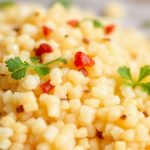
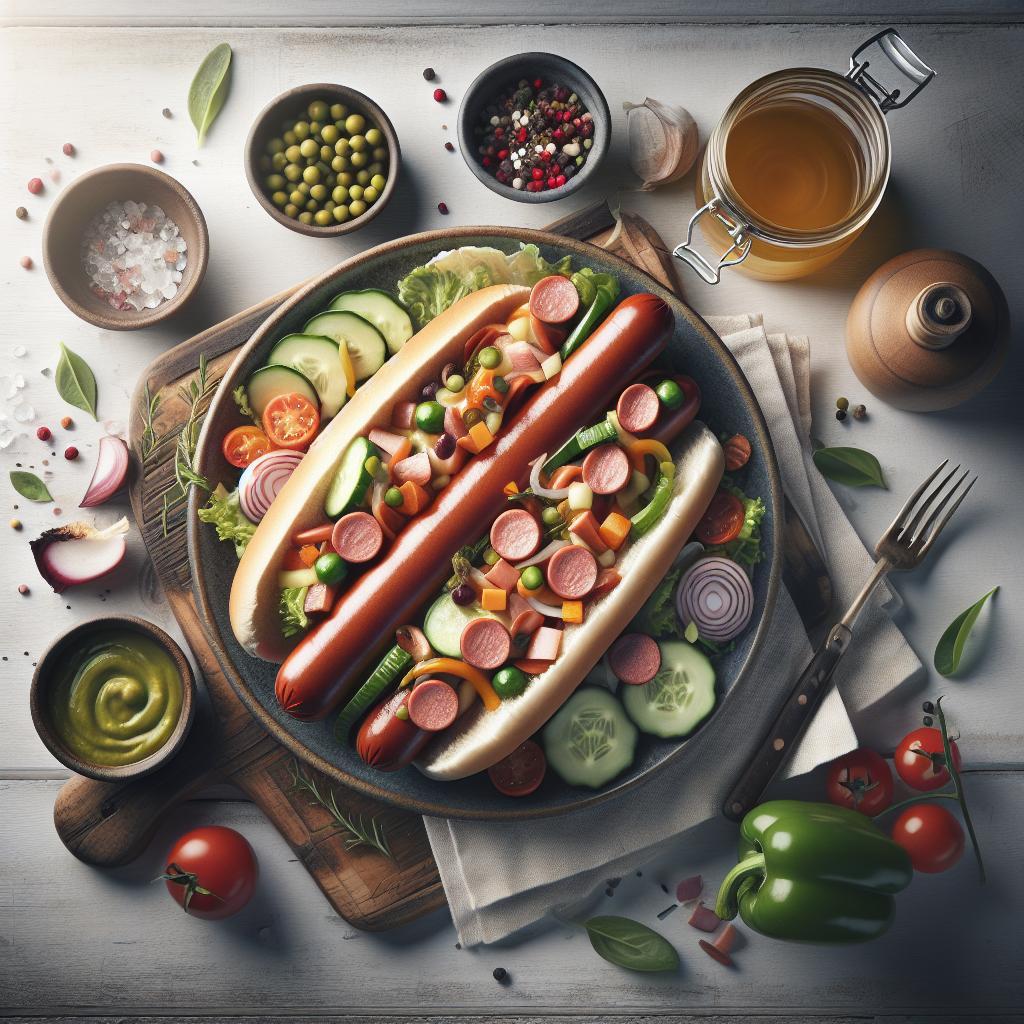

Crafting Classic New England-Style Hot Dog Relish at Home channels a regional tradition that balances sweet, tangy, and savory notes to lift a simple hot dog into something iconic. This recipe emphasizes fine texture, bright vinegar balance, and preserving technique so you can reproduce that familiar New England bite any time.
- Make-ahead flavor: relish improves after resting 24 hours.
- Texture matters: fine dice keeps the relish spreadable but still crunchy.
- Preserve safely: follow hot-water-bath canning for longer storage.
- Serve broadly: it pairs with hot dogs, sausages, burgers, and salads.
Introduction and Regional Context
New England relish traces its identity to coastal foodways and small-town stands throughout New England. Home cooks adapted simple pickling and preserving techniques to local produce, producing a condiment that emphasizes balance rather than heat.
The relish often appears alongside a steamed frankfurter in a soft bun, creating the classic contrast of warm meat and bright condiment found in the regional hot dog tradition. Understanding that culinary lineage helps you tune sweetness, acidity, and texture for authenticity.
Prep and Cook Time
Preparation: 20 minutes. Gather and finely dice all ingredients before you heat anything to keep the process fluid. Fine, consistent chopping creates the signature mouthfeel.
Cooking: 25 minutes. You will simmer just long enough to meld flavors while keeping a gentle crunch. Pickling technique informs the timing; overcooking turns the relish mushy.
Yield
This recipe yields approximately 4 cups, roughly 8 two-tablespoon servings. That quantity fills several jars for fridge use or a couple of pint jars for canning.
Scale easily: double for a crowd, halve for a test batch. Keep proportions for sugar and vinegar stable when you adjust volume to maintain flavor balance.
Difficulty Level
Easy to medium. The skills required include fine chopping, controlled simmering, and basic sterile jar handling for storage. None require specialized equipment beyond a good knife and saucepan.
Anyone comfortable with basic recipes can produce reliable results. If you plan to can jars for long-term storage, review canning safety guidelines first and proceed carefully.
Ingredients
Use fresh, firm produce and accurate measurements. The recipe below produces a balanced, traditional New England relish that reads sweet, tangy, and mildly spiced.
Substitute intelligently: tart apples and crisp pickles preserve texture, while standard white vinegar preserves the bright color and tang.
- 3 cups finely chopped yellow onions (about 2 medium onions)
- 2 cups peeled and finely chopped tart green apples (Granny Smith preferred)
- 1 ½ cups finely chopped dill pickles (about 3 small pickles)
- 1 cup granulated sugar
- 1 cup white vinegar (5% acidity)
- ½ cup water
- 2 tsp mustard seeds
- 1 tsp celery seeds
- 1 tsp kosher salt
- ¼ tsp turmeric powder
- ½ tsp ground black pepper
Instructions
Prepare and measure everything first to keep the cooking phase efficient. Uniform chopping is the most time-consuming step but delivers the classic texture.
Keep heat moderate; the goal is to meld flavors while preserving a light crunch. Stir occasionally to avoid sticking and to check texture.
Step-by-Step Method
1. Finely chop the onions, apples, and pickles to a uniform, small dice so the relish spreads smoothly on the bun. A food processor on pulse speed speeds the job while preventing puree.
2. In a non-reactive saucepan, combine the white vinegar, water, and sugar. Warm over medium heat and stir until the sugar completely dissolves. This forms the preserving base.
Simmering, Cooling, and Preserving
3. Add the mustard seeds, celery seeds, salt, turmeric, and pepper, then fold in the chopped vegetables. Bring to a simmer, then reduce to low. Simmer gently about 20–25 minutes until the mixture thickens slightly.
4. Remove from heat and cool to room temperature. Refrigerate at least 4 hours or overnight to let flavors meld. For extended storage, process jars in a boiling water bath following safe canning guidelines.
Tips for Success
Adjust sugar and vinegar to your taste, but change them in small increments to avoid upsetting the balance. Taste during the simmer phase and tweak one variable at a time.
Choose firm apples and crisp pickles for structure. If your vegetables soften too much, shorten the simmer time on the next batch to preserve crunch.
For heat, add red pepper flakes in small amounts and taste; a little goes a long way in this sweet-focused relish. Swap yellow onions for sweet onions if you prefer a milder onion presence.
Preservation & Storage
For short-term use, store relish in sterilized jars in the refrigerator and consume within two weeks. The acidity and sugar preserve flavor but refrigeration keeps texture bright.
For long-term shelf storage, follow tested boiling-water-bath canning procedures and processing times specific to jar size. Always check seals and discard jars with unsealed lids.
Serving Suggestions
Serve this relish generously on a steamed New England-style hot dog in a soft, buttered bun for an authentic pairing. The relish complements mustard and a light sprinkle of celery salt without overpowering the frankfurter.
Beyond hot dogs, spoon relish over grilled sausages, burgers, or as a bright counterpoint on creamy egg or potato salads. It also pairs with sharp cheeses on a charcuterie board for contrast.
Nutritional Snapshot
Per two-tablespoon serving, this relish is low in fat and protein, primarily contributing carbohydrates from sugar and apples. Use measured servings to track sugar intake when planning menus for children or guests with dietary constraints.
Adjust sugar downward and add a touch more vinegar for a lighter calorie version; however, keep proportions balanced so texture and preservation properties remain reliable.
| Nutrient | Per 2 Tbsp Serving |
|---|---|
| Calories | 45 kcal |
| Protein | 0.3 g |
| Carbohydrates | 12 g |
| Fat | 0 g |

Recipe Variations and Ingredient Sourcing
Swap Granny Smith apples for another tart variety if unavailable, but maintain acidity to balance sugar. Local farmstand apples often yield firmer texture than grocery store imports.
Choose pickles labeled for pickling or ‘Kirby’ style for better crunch. When buying spices, whole mustard seed toasted lightly before use gives a brighter, nuttier aroma than pre-ground alternatives.
FAQ
What makes a New England hot dog relish distinct?
New England-style relish emphasizes a fine dice, a sweet-tangy balance, and subtle aromatic seeds rather than heavy spice. The texture and mild sweetness complement the steamed frankfurter characteristic of regional stands.
The condiment’s heritage links to local preservation methods and seasonal produce, giving it a lighter, more uniform mouthfeel than chunkier regional relishes.
Can I can this relish safely for shelf storage?
You can preserve this relish via a boiling water bath if you follow validated processing times and sterile jar handling. Use tested canning guidelines tailored to your altitude and jar size for safe results.
If you prefer to avoid canning, refrigerate in sterilized jars and consume within two weeks for best quality and safety.
How long should I cook the relish to keep crunch?
Simmer gently about 20–25 minutes on low heat and check texture after 15 minutes. Remove from heat when the mixture thickens slightly but the vegetables still hold a noticeable bite.
Shorten simmer time on subsequent batches if you prefer a crisper result. The apples and pickles will soften faster than onions, so monitor those pieces closely.
What substitutions still keep it ‘authentic’?
Use tart apples, white vinegar, and dill pickles to retain the traditional profile. Small substitutions like swapping yellow onions for sweet onions alter sweetness but can still feel authentic if balanced carefully.
Introduce a pinch of turmeric for color and warmth, or a touch of horseradish for a regional twist, but make incremental changes and taste-test as you go.
Can I use this relish for other dishes?
Yes. It brightens burgers, grilled sausages, potato salads, and even creamy cheese plates. The sweet-tart crunch provides contrast to rich, fatty foods.
Use it as a condiment, a chopped garnish, or a mix-in to refresh standard summer dishes and add regional character to your menu.
For ingredient background, read more about apple varieties and how they affect texture. Also consult general resources on pickling technique for preservation principles.
See also: New England