
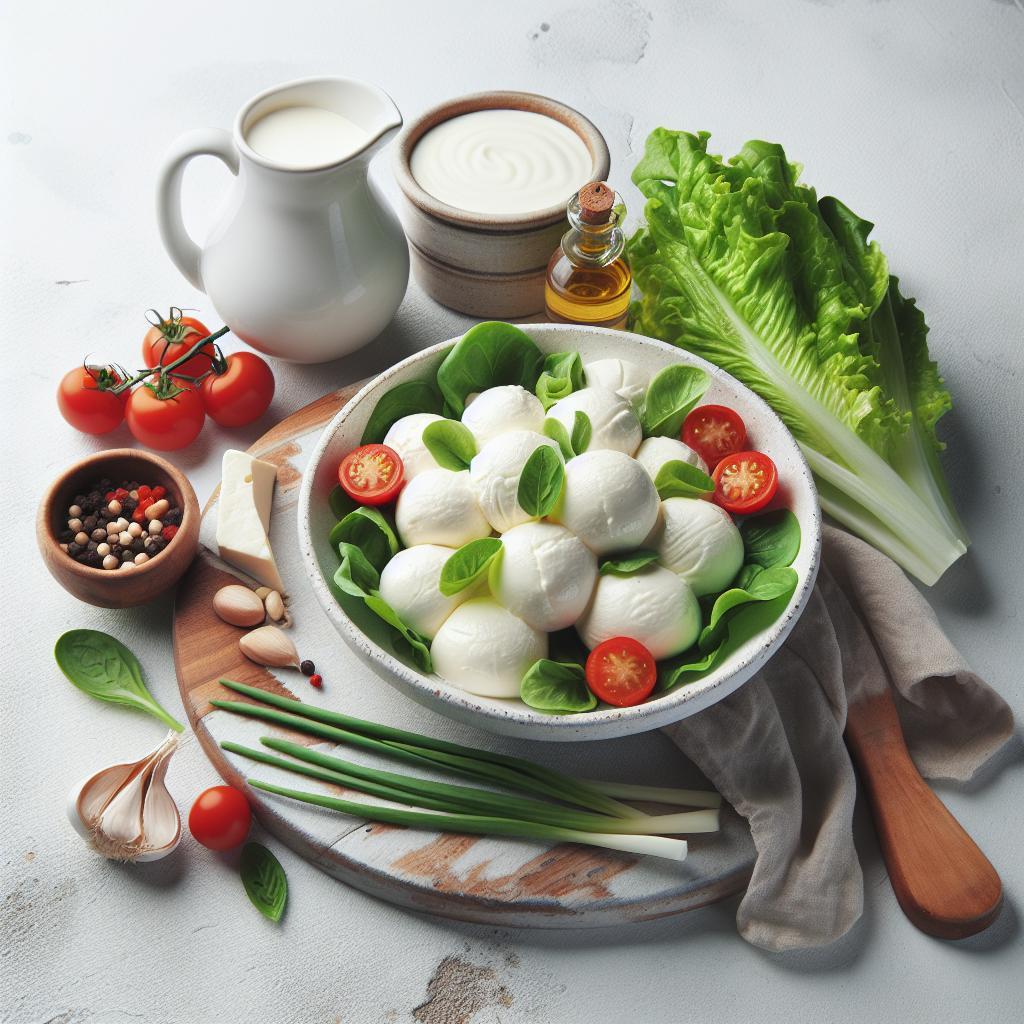

Skim mozzarella can be surprisingly glossy and stretchy when you control acidity and temperature precisely. This guide gives repeatable steps, exact targets, and practical safety notes so you can make reliable batches at home.
- Quick yield: ~8 ounces per gallon of skim milk.
- Total time: Under 60 minutes for a single gallon batch.
- Key tools: thermometer, slotted spoon, cheesecloth, large pot.
- Main control: pH and consistent heat during stretching.
Prep and Cook Time for Skim Mozzarella
Preparation requires roughly 15 minutes and the active cook and set time runs about 40 minutes. Expect the full process to finish within an hour for a one-gallon batch.
Temperatures matter: cool acidification at ~55°F (13°C), curd set at ~90°F (32°C), and stretching around 175°F (80°C). Control these ranges and you control the final texture.
Yield and Difficulty for Skim Mozzarella
This method yields approximately 8 ounces (225 g) of skim mozzarella per gallon of skim milk. Yields vary with milk freshness and curd handling.
Skill level: intermediate. Beginners find success by following temperature targets and avoiding overworking the curds. Keep a short log of pH, temperatures, and times for repeatable results.
Essential Ingredients for Skim Mozzarella
Use fresh, non-ultra-pasteurized skim milk when possible to preserve coagulation proteins. Ultra-high-temperature processing reduces curd yield and weakens the protein network.
Primary ingredients: citric acid, diluted rennet, kosher salt, and a hot water bath for stretching. Each component influences casein behavior and final elasticity.
- 1 gallon skim milk (fresh, not ultra-pasteurized)
- 1 1/2 teaspoons citric acid dissolved in 1/4 cup cool water
- 1/4 teaspoon liquid calf rennet diluted in 1/4 cup cool water
- 1 teaspoon kosher salt or to taste
- Hot water bath at 175°F (80°C) for stretching
Step-by-Step Process to Make Skim Mozzarella
Follow a clear sequence to convert milk proteins and whey into a cohesive, stretchable mass. Each step focuses on one control parameter: acid or heat.
Prepare tools: thermometer, long knife or curd cutter, slotted spoon, cheesecloth, microwave-safe bowl or large bowl for hot-water stretching.
1. Prepare and acidify the milk
Pour skim milk into a large stainless-steel pot and slowly warm to about 55°F (13°C). Stir gently to distribute heat and avoid scorching the bottom.
Stir in dissolved citric acid to drop pH and prime casein micelles for coagulation. For context on milk components, see milk composition.
2. Heat, add rennet, and set the curd
Raise the milk to 90°F (32°C) while stirring occasionally. Remove from high heat as you near the set point to avoid hotspots that cause uneven curd.
Add diluted rennet, stir briefly with an up-and-down motion for 30 seconds, then let the milk rest undisturbed for 5–7 minutes until it forms a custard-like set. See rennet for enzyme background.
3. Cut, cook, and drain curds
Cut the set curd into 1-inch cubes with a long knife. Let pieces rest for five minutes to firm and reduce syneresis during the next heat step.
Slowly raise temperature to ~105°F (40°C) while stirring gently to prevent matting. When curds are firmer, scoop into a colander lined with cheesecloth and let whey drain. Press gently and keep curds moist for stretching.
4. Heat for stretching and shape
Transfer curds to a microwave-safe bowl and heat in 30-second bursts, or dunk curds repeatedly into a 175°F (80°C) water bath. The curd must reach a flexible, glossy state before stretching.
Wear gloves and fold and stretch the curd until a shiny surface and stringy pull appear. Add salt during shaping and cool the formed balls in iced water to set the structure.
Tips and Tricks for Skim Mozzarella
Select the freshest skim milk available. Fresh milk with intact casein micelles produces stronger curds than over-processed product.
Measure citric acid carefully. Small deviations alter pH and directly affect elasticity. For reference on citric acid, see citric acid.
Keep a batch log: record milk brand, room temperature, citric acid mass, rennet dilution, and exact temperatures. That simple log is the fastest route to reproducible skim mozzarella.
When stretching, aim for consistent warmth rather than aggressive reheating. Slow, even heat preserves moisture and yields a glossy, elastic finish.
Try finishing salts lightly. A small pinch of herb salt or a few drops of high-quality olive oil lifts perceived richness without adding fat.
Adjust acid or rennet in 5% increments across small test batches to dial texture. Use the log to track which changes improve stretch and which make the curd brittle.
Safety and Pro-Cautions for Skim Mozzarella
Always use clean, food-grade utensils and wear gloves when handling warm curds. Milk and curds are fertile grounds for bacteria if contaminated during handling.
Avoid overheating proteins; overheating produces a tough, rubbery mass rather than supple mozzarella. Maintain controlled temperatures and monitor with a reliable thermometer.
Store rennet according to the manufacturer and dose carefully. If a set fails, test the rennet on a small amount of fresh milk before discarding the batch.
Serving Suggestions for Skim Mozzarella
Serve fresh skim mozzarella within 3–5 days. Keep balls submerged in lightly salted water in a sealed container to retain texture and moisture.
Tear over ripe tomatoes with fresh basil and a drizzle of olive oil for a classic presentation. Alternatively, use sliced pieces on pizza or melt into pasta to enjoy a lighter, stretchy cheese option.
Nutritional Info for Skim Mozzarella
Skim mozzarella offers a high-protein, low-fat profile compared with whole-milk versions while still providing melt and pull when made correctly. Moisture affects caloric density.
Typical per-100g approximations for homemade skim mozzarella: about 130 kcal, 26 g protein, 2 g carbohydrates, and 3 g fat. Adjust values when adding oils or cured meats.
Related Resources and Further Reading
For background on mozzarella and its production, consult the encyclopedic entry on mozzarella. That page summarizes origins and common industrial methods.
To broaden your understanding of cheese science, the cheese article provides useful context on coagulation, aging, and types of cultures used in cheesemaking.
FAQ
Can skim milk produce mozzarella with good stretch?
Yes. Skim milk tends to make a slightly firmer melt, but proper acidification and controlled stretching yield good pull and a glossy surface. Fine-tune citric acid and heat to optimize results.
How long will homemade skim mozzarella last?
Store in lightly salted water in the refrigerator and use within 3–5 days for best texture and flavor. Keep it in an airtight container to reduce oxidation.
What tools do beginners need for skim mozzarella?
Start with a reliable thermometer, a large pot, cheesecloth, a slotted spoon, and a bowl for hot-water stretching. These give control over the critical variables.
Can I use vegetarian coagulants instead of rennet?
Vegetarian coagulants can work but behave differently. Test small batches and follow the manufacturer dosing to find the correct set. When in doubt, use standardized liquid calf rennet for predictable results.
Where can I learn more about milk and cheesemaking chemistry?
Good starting points include the Wikipedia pages on milk, rennet, and citric acid. They summarize protein and enzyme behavior that informs home techniques.
See also: skim mozzarella