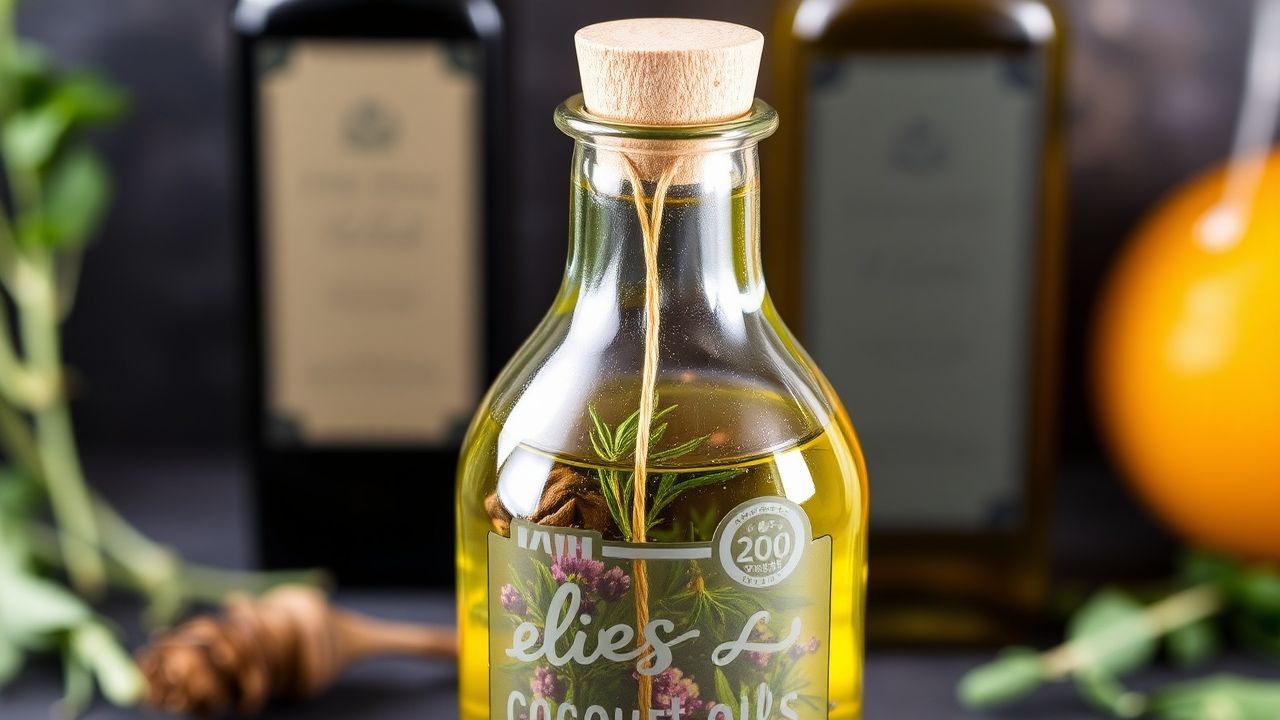

Crafting flavor into oil makes ordinary meals sing. Herb-infused oils concentrate aromatic compounds from fresh or dried herbs into a pourable, versatile finishing oil that boosts salads, grilled dishes, and baked breads.
- Concentrate flavor with low-heat or cold-steep methods to preserve aromatics.
- Control risk by drying herbs, sterilizing jars, and refrigerating finished oils.
- Choose oil to match herbs: robust oils for strong herbs, neutral oils for delicate ones.
- Use sparingly — infused oils deliver intense flavor; a little goes a long way.
Choosing the Perfect Herbs for Oil Infusions
Select herbs based on their essential-oil profile and robustness. Strong, resinous herbs such as rosemary and thyme release stable aromatic compounds that stand up to longer infusions, while soft-leaf herbs like basil and chervil give a bright, fleeting top note best captured with gentle methods.
Consider herb pairings: rosemary pairs well with garlic and lemon, while basil shines with tomato and fresh mozzarella. For background reading on the plant profiles and culinary uses of common herbs, see rosemary and basil.
Extraction Principles: How Heat, Time, and Oil Type Affect Flavor
Infusion extracts volatile oils and aromatic compounds from plant material into a lipid medium. Use low, controlled heat to speed extraction without volatilizing delicate terpenes. For a scientific overview of the process, consult the general concept of infusion.
Choose a base oil that complements your herb. Extra virgin olive oil adds fruit and pepper notes and suits bold herbs. Neutral oils such as grapeseed or sunflower let subtle herbs speak. Match oil stability (low polyunsaturates) to storage goals to slow rancidity.
Prep, Timing, and Yield
Prep time is short but critical: washing, drying, and bruising herbs prepares them for extraction. For many home batches, plan about ten minutes for prep and then either a warm method of 1–2 hours or a cold steep of 1–2 weeks.
Yield depends on jar size. A standard recipe below yields roughly 1 cup (240 ml) of oil when you start with about 1 cup oil and 1/2 cup mixed fresh herbs. Label bottles with date and herb list for tracking.
Recipe: Basic Rosemary-Thyme Infused Oil
Difficulty: Easy to medium — monitor temperature and storage to maintain safety and flavor.
Prep: 10 minutes. Warm infusion: 1–2 hours. Cold infusion: 1–2 weeks. Yield: ~1 cup (240 ml).
Ingredients
- 1 cup extra virgin olive oil or neutral grapeseed oil for a lighter base.
- 1/2 cup fresh rosemary sprigs and 1/2 cup fresh thyme sprigs.
- Optional: 2 crushed garlic cloves for savory depth (see safety notes below).
Instructions
Rinse herbs and dry thoroughly. Any surface moisture increases spoilage risk; dry with a salad spinner or blotting towels and air-dry for 30–60 minutes before use.
Bruise herbs lightly to release essential oils. Place herbs and optional garlic in a clean, dry jar or small saucepan. Pour oil to fully submerge the plant matter and remove air pockets.
Warm method: heat oil over very low heat and hold between 120°F and 140°F (49–60°C) for 1–2 hours. Monitor with a thermometer and stir occasionally. Cool, then strain through fine mesh or cheesecloth into a sterilized bottle.
Cold method: seal herbs and oil in a jar and store in a dark, cool pantry for 1–2 weeks. Shake daily. Strain, bottle, and refrigerate. Cold steeps preserve the brightest notes but extract more slowly.
Practical Tips for Consistent Results
Dry herbs fully before combining with oil. Moisture encourages microbial growth and shortens shelf life. If you want longer storage, use dried herbs instead of fresh to reduce water content.
Always sterilize bottles and jars by washing with hot, soapy water and rinsing well. For added safety, briefly heat-sterilize glassware in boiling water or in a low oven before filling.
Flavor balance matters. Strong herbs dominate; start with ratios such as 1 cup oil to 1/2 cup combined strong herbs, then adjust in later batches. Taste and label experimental batches to refine future ratios.
Creative Culinary Uses
Use herb oils as finishing oils on grilled vegetables, roasted proteins, warm salads, and artisan breads. Drizzle sparingly: a teaspoon or two often suffices because infusions concentrate flavor.
Make compound vinaigrettes by whisking infused oil with vinegar, mustard, and a pinch of salt. Use infused oil in compound butter, mashed potatoes, or to liven scrambled eggs for immediate impact.
For hosting, bottle small amounts in pretty glass bottles and pair with crusty bread. Label pairings and suggested uses for guests. See additional inspiration in our homemade herb collections guide for herb combinations and storage ideas.
Safety and Storage Essentials
Safety depends on moisture control and storage. Fresh herbs and certain inclusions such as garlic create anaerobic environments that, if not refrigerated or consumed quickly, can support pathogens such as the bacterium behind botulism.
Refrigerate infused oils if you use fresh herbs or garlic and use them within 1–2 weeks. For longer storage, use dried herbs and keep bottles in a cool, dark place away from heat and light. Always discard oil that smells off or appears cloudy.
Rotate stocks: label jars with the infusion date. Consider small-batch production to ensure freshness and to reduce time on the shelf. If you plan to gift oils, include clear storage and refrigeration instructions for recipients and an expiration date.
Common Troubleshooting
Cloudy oil may indicate moisture or temperature fluctuation. Check for visible particles and sniff for rancidity. If the oil smells sour, metallic, or otherwise off, discard it.
If flavor is weak, increase herb-to-oil ratio or extend infusion time slightly. If bitterness appears, reduce heat exposure and shorten warm-infused times next round.
FAQ
What is the best oil for infusing herbs?
Extra virgin olive oil offers robust flavor that complements hearty herbs. Neutral oils like grapeseed or sunflower highlight delicate herbs. Consider oil smoke point and shelf stability when choosing the base.
How long do homemade herb oils last?
If made with fresh herbs or garlic and refrigerated, consume within 1–2 weeks. Oils made with thoroughly dried herbs can last longer—several months—if stored cool and dark. Always label with a date.
Can I infuse citrus or chili in the same way?
Yes. Citrus zest and dried chili flakes infuse well. Use zest (not pith) for clean citrus oils and dry chiles to avoid moisture. Adjust infusion times and always strain solids before bottling.
Are infused oils safe to cook with at high heat?
Infused oils add flavor primarily as finishing agents. High heat can burn delicate aromatics and create off-flavors. Use infused oils at low heat or as a finishing drizzle rather than a primary frying oil.
Where can I learn more about herb selection and storage?
Explore guidance on herb handling and storage in our internal resource on herb storage and safety. For deeper botanical context, reference plant articles like basil and rosemary.
Herb-infused oils reward patience and careful technique. Small changes in herb selection, oil base, and temperature control produce markedly different results. Keep notes, test batches, and build a personal library of flavors to elevate everyday cooking.
See also: Herb Oils