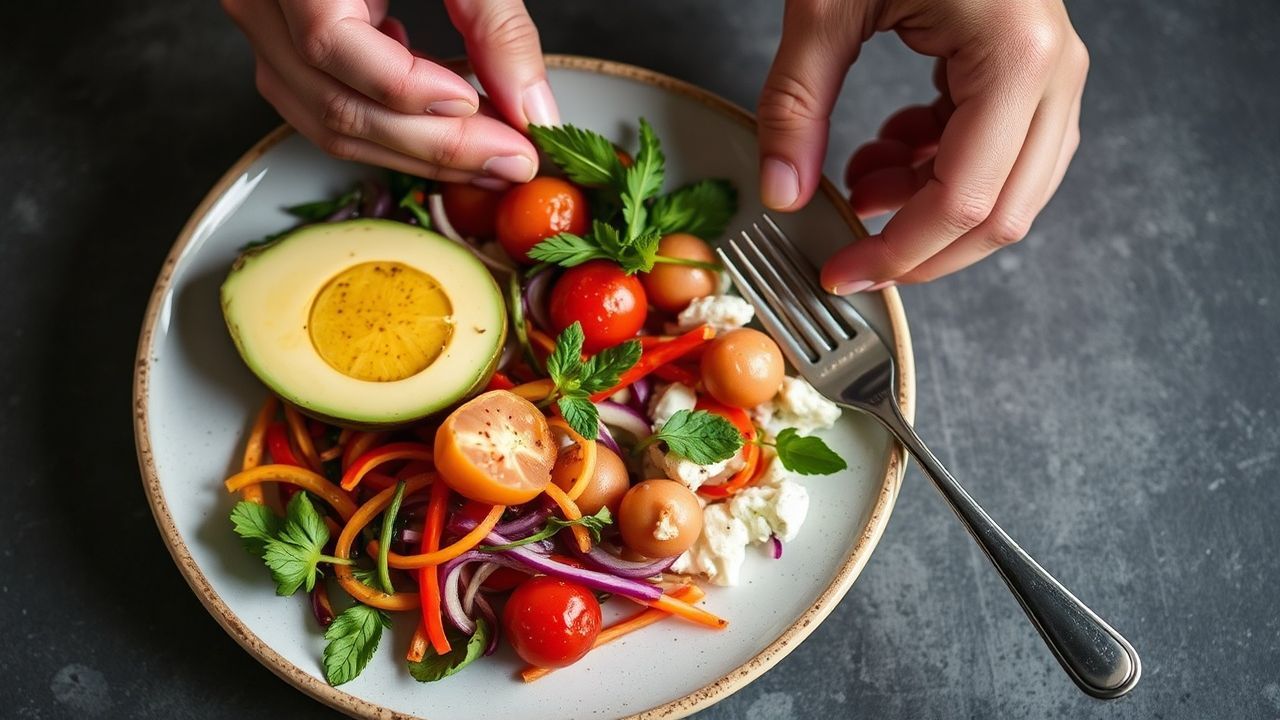

Crafting Harmony on a Plate — Balanced Meals Essentials
Balanced meals begin with a clear template: half vegetables, one-quarter protein, one-quarter whole grain or starchy vegetable. This simple distribution produces consistent appetite control and steady energy across meals.
- Key takeaway: Fill half your plate with vegetables for fiber and micronutrients.
- Key takeaway: Pair a lean protein with whole grains to support satiety and steady blood glucose.
- Key takeaway: Add healthy fats for nutrient absorption and flavor—olive oil and seeds work well.
- Key takeaway: Small timing and portion rules improve digestion and daily energy.
I write as a registered nutrition professional and culinary educator. The guidance below translates evidence-based principles into practical steps you can apply in home cooking and meal planning for balanced meals.
Prep and Cook Time for Balanced Meals
Preparation: 20 minutes. Cooking: 25 minutes. These windows fit weeknight cooking and batch work for meal prep.
Timing matters for texture and nutrient retention. Stagger tasks—start grains, then roast starchy vegetables, then sauté aromatics and greens—so components finish together without overcooking.
Yield and Difficulty for Balanced Meals
Serves: 4 generous portions. This template scales easily for two people or batch cooking for a workweek.
Difficulty: Medium. Techniques—roasting, simmering, sautéing—are basic but produce complex flavor when done with purposeful timing and seasoning.
Ingredients for Balanced Meals
The list below creates a balanced bowl with complex carbohydrates, plant protein, healthy fat, and plenty of vegetables. Swap items seasonally while keeping the overall plate proportions steady.
Choose whole-food options where possible to maximize fiber and micronutrient density; for example, prefer minimally processed grains and fresh produce.
- 1 cup quinoa, rinsed thoroughly (quinoa)
- 2 cups vegetable broth or water
- 1 medium sweet potato, peeled and diced into ½-inch cubes (sweet potato)
- 1 red bell pepper, thinly sliced
- 1 small red onion, finely chopped
- 2 cups baby kale or spinach
- 1 cup cooked chickpeas, drained and rinsed (chickpea)
- 2 tablespoons extra-virgin olive oil (olive oil)
- 1 teaspoon smoked paprika
- ½ teaspoon ground cumin
- Salt and freshly cracked black pepper, to taste
- Juice of 1 lemon
- 1 garlic clove, minced
- 2 tablespoons toasted pumpkin seeds (optional for crunch)
- Fresh cilantro or parsley, chopped, for garnish
Instructions for Building Balanced Meals
Follow the ordered steps for consistent results. Stagger tasks so grains, roasted vegetables, and sautéed components finish at the right textures and temperatures.
Use mise en place—measure and prep ingredients before heating pans. That prevents overcooking and keeps assembly efficient for repeatable balanced meals.
1. Cook the quinoa
In a medium saucepan, bring the vegetable broth and quinoa to a boil. Reduce heat, cover, and simmer for 15 minutes until liquid is absorbed; then fluff with a fork and let cool slightly.
Quinoa delivers a complete plant protein and a neutral base. Slight cooling avoids wilting delicate greens when assembling balanced meals.
2. Roast the sweet potatoes
Preheat oven to 425°F (220°C). Toss diced sweet potatoes with 1 tablespoon olive oil, smoked paprika, cumin, salt, and pepper. Arrange in a single layer on a baking sheet.
Roast 20 minutes, flipping once, until tender and caramelized. High-heat roasting concentrates sugars and improves mouthfeel more than steaming.
3. Sauté aromatics and peppers
Heat remaining olive oil in a large skillet over medium heat. Add chopped onion and minced garlic; cook 2–3 minutes until translucent and fragrant.
Add sliced bell pepper and cook 4–5 minutes until slightly tender. Stir in greens and cooked chickpeas until greens just wilt; finish with lemon juice and seasoning.
4. Assemble and finish your balanced meals
Divide quinoa among four bowls. Top with roasted sweet potatoes and the sautéed vegetable–chickpea mix. Drizzle lemon juice, sprinkle pumpkin seeds, and garnish with herbs.
Taste and adjust salt and pepper. Serve warm or room temperature—the bowl balances texture, flavor, and nutrients in every bite.
Tips for Success with Balanced Meals
Small technique choices make a measurable difference. Rinsing quinoa removes saponins that can taste bitter, while room-temperature lemon juice brightens flavors without chilling the dish.
Batch-cook grains and roast a double pan of sweet potatoes for quick weekday bowls. Store components separately and assemble before eating to preserve contrast and crunch in balanced meals.
[ TIP ]Expert Insight: Roast vegetables at high heat for color and flavor. Use a single layer on the tray and avoid overcrowding to promote caramelization rather than steaming.[/ TIP ]
Swap proteins to meet macronutrient goals—grilled chicken, baked tofu, or a soft-poached egg each adjust protein and fat while keeping the vegetable template intact.
These swaps let you tailor meals for performance, weight maintenance, or recovery while preserving the same balanced meals framework.
[ WARNING ]Pro-Caution: If you have a sodium-sensitive condition, choose low-sodium broth and reduce added salt. Monitor portions of starchy vegetables and grains to match individual carbohydrate targets.[/ WARNING ]
Serving Suggestions for Balanced Meals
Use wide, shallow bowls to display color and layers. Visual contrast—greens, orange sweet potato, red pepper—signifies variety and often correlates with broader nutrient intake.
Pair the bowl with a light beverage such as sparkling water with cucumber or a mild herbal tea. A neutral pairing cleanses the palate and supports appetite control between bites.
Nutritional Overview of This Balanced Meal Template
Per serving this bowl supplies complex carbohydrates, fiber, plant protein, and monounsaturated fat from olive oil and seeds. That mix supports sustained energy and greater satiety than refined meals.
Adjust portion sizes based on energy needs and activity level. For higher protein needs, add an extra protein portion and modestly reduce starchy carbs while keeping vegetables abundant.
| Nutrient | Per Serving |
|---|---|
| Calories | 380 kcal |
| Protein | 12 g |
| Carbohydrates | 55 g |
| Fat | 10 g |
For reliable references on nutrient needs and meal composition consult core texts and guidance on nutrition. Use those sources to align this template with population-level recommendations.
To learn more about individual ingredients, see the Wikipedia entries for quinoa, sweet potato, and chickpea.
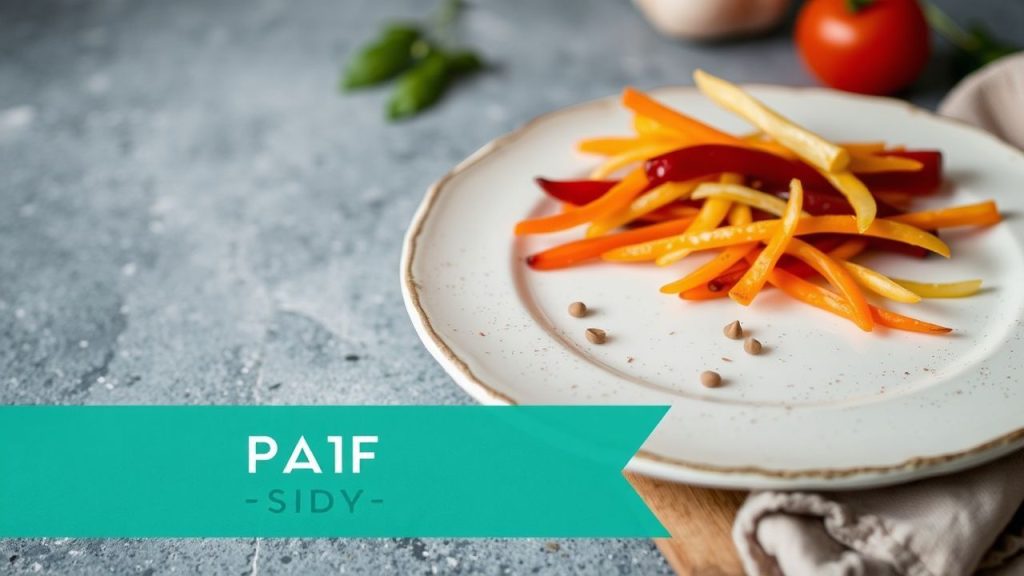
Practical Adjustments and Swaps
Vegetarian and vegan versions are seamless: boost legumes, tempeh, or tofu to increase protein. For gluten-free needs, quinoa and root vegetables already fit the profile.
For athletes, add an extra grain serving or an additional lean protein at post-workout meals. For weight loss, increase non-starchy vegetables and modestly reduce grains while keeping meal volume.
Meal Prep and Storage for Balanced Meals
Cook quinoa and roast sweet potatoes up to four days ahead; refrigerate components separately. Keep seeds and fresh herbs dry and add them at serving to preserve crunch.
Reheat gently to avoid overcooking greens. Assemble bowls at room temperature when practical to maintain texture and maximize enjoyment of balanced meals.
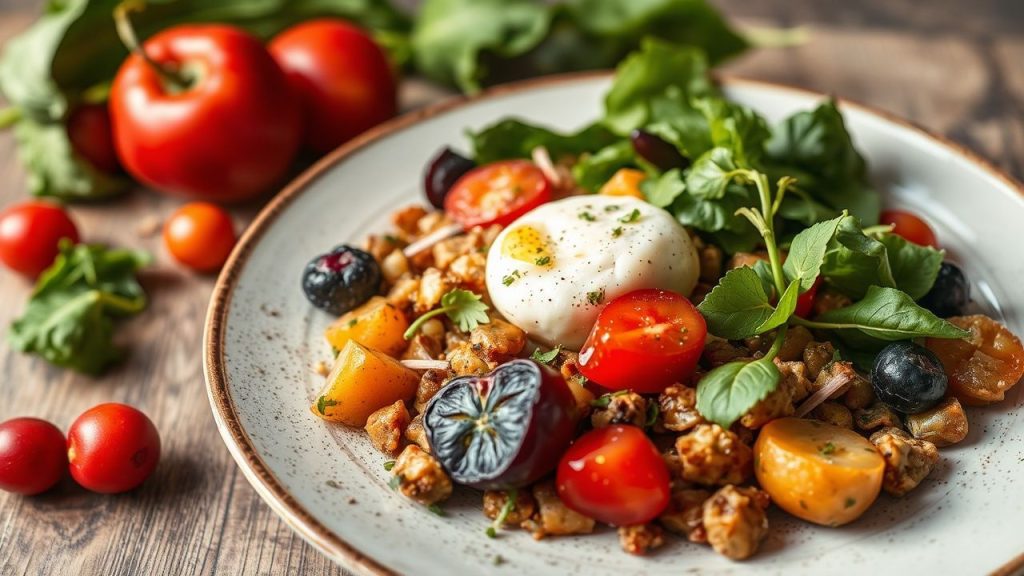
Final practical note: focus on consistent patterns rather than perfection at every meal. A repeatable template makes balanced meals sustainable and pleasurable over time.
See also: Balanced meals tag • Meal prep guides
FAQ
What is a balanced meal?
A balanced meal combines protein, carbohydrate, fat, and vegetables in proportions that support appetite control and nutrient needs. This pattern emphasizes whole foods and variety to cover macro- and micronutrient needs.
Applied consistently, balanced meals reduce energy swings and support stable concentration and mood across the day.
How can I adapt this bowl for different diets?
Preserve the visual template—half the plate vegetables, a quarter protein, and a quarter whole grain or starchy vegetable. Swap ingredients but keep proportions consistent for balanced meals.
For higher protein needs, increase the protein portion and slightly reduce starchy carbohydrates. Vegetarian versions work by boosting legumes, tofu, or tempeh.
How do I scale portions for weight goals?
For maintenance, use the outlined portions and monitor hunger cues. For weight loss, reduce starchy carbs a bit and increase non-starchy vegetables to keep volume and fiber high.
For muscle gain, increase total calories by adding quinoa or a second protein and time meals around training for recovery.
Can I prepare components ahead of time?
Yes. Cook quinoa and roast sweet potatoes in advance and refrigerate components separately for up to four days. Store seeds and herbs dry and add at serving time to preserve texture.
Reheat gently to avoid overcooking greens; assemble at room temperature when possible to maintain texture and flavor.
How do I keep flavors interesting over time?
Rotate spices, swap herbs, and change the acid—lemon, orange, or vinegar—to alter profiles without changing structure. Seasonal vegetables keep meals novel and nutrient-rich.
Small changes—different spice blends, seeds, or dressings—refresh the experience and support dietary variety while staying within the balanced meals framework.
Recommended Reading:
- 9 Essential Couscous Secrets for Perfect Texture
- 9 Irresistible Air Fryer Crispy Chickpeas
- 5 Chef Secrets to Perfect Silky Garlic Sauce for Beef