
Crafting Nature’s Fuel: Easy Energy Bars from Foraged Nuts shows how whole, foraged nuts become dense, portable bars through simple, proven steps. The no-bake method emphasizes clean ingredients, reliable texture, and storage strategies that suit day hikes and busy schedules.
- Wild flavor: Foraged nuts supply oils and texture that boost taste and satiety.
- No‑bake ease: 20 minutes active prep and straightforward chilling produce set bars.
- Pantry flexibility: Swap binders and dried fruit to adapt to season and diet.
- Safety first: Proper identification and simple processing prevent common issues.
Energy Bars: Prep and Cook Time
Active prep: Expect about 20 minutes to shell, toast, chop, and combine ingredients. Toasting concentrates aroma and stabilizes surface moisture so the binder performs predictably.
Passive setting: Chill time is roughly 60 minutes to firm the bars. Cold storage stabilizes nut oils and makes cleaner slices for portioning.
Energy Bars Yield
This standard 8×8 batch yields 12 bars, sized for day hikes or quick snacks. Halve or double the recipe to fit household needs and refrigeration space.
Each bar supplies a measured mix of fats, fiber, and carbohydrates for steady energy. Count portions when packing for multi-day trips to manage calorie distribution.
Energy Bars Difficulty Level
Easy: No advanced baking knowledge or special equipment required. A skillet, mixing bowl, saucepan, and an 8×8 pan handle the work.
Texture control matters more than precision. Beginners achieve consistent results by focusing on even toasting and firm pressing into the pan.
Energy Bars Ingredients
Use local, seasonal nuts when possible; they vary in oil content and texture. Proper toasting improves flavor and reduces surface moisture for a better bind.
Flexible ingredient list—adjust for availability and diet. Below is a reliable starting point that scales easily.
- 1½ cups mixed foraged nuts (walnuts, hazelnuts, chestnuts), lightly toasted
- 1 cup rolled oats, gluten‑free if required
- ½ cup almond butter or sunflower seed butter
- ⅓ cup honey or maple syrup
- ¼ cup dried cranberries or wild berries, chopped
- 2 tbsp chia seeds or ground flaxseed
- 1 tsp vanilla extract
- ½ tsp ground cinnamon and a pinch of sea salt
- Optional: 2 tbsp dark chocolate chips or coconut flakes
Energy Bars Instructions
Follow the sequence below for reproducible bars. Keep binder temperature moderate so it coats dry components evenly.
1. Prepare nuts: Shell and toast over medium heat for 4–6 minutes until aromatic. Allow slight cooling before chopping to avoid melting the binder.
2. Combine dry components: Mix toasted nuts, oats, dried fruit, seeds, cinnamon, and salt until evenly distributed.
3. Warm the wet binder: Gently heat nut butter and syrup over low heat until pourable. Stir in vanilla for even flavor distribution.
4. Mix to bind: Pour warm binder into the dry mix and stir until everything clumps together. Add a teaspoon of warm water or extra nut butter if the mix feels too dry.
5. Press and set: Line an 8×8 pan with parchment. Press the mixture firmly to remove air pockets; compacting prevents crumbling later. Refrigerate for at least one hour.
6. Slice and store: Use a sharp knife warmed under hot water for clean cuts. Store bars in an airtight container in the refrigerator for up to two weeks, or freeze for longer storage.
Energy Bars Tips for Success
Texture and binding determine bar quality; address both with small, targeted steps. Even toasting and a warm binder produce bars that hold together without tasting oily.
Adjust oat type for chewiness. Rolled oats add structure; quick oats or lightly pulsed rolled oats increase chewiness and cohesion.
For a crunchier bite, coarsely pulse half the nuts and finely chop the rest. That mix balances texture and ease of chewing on the trail.
Energy Bars: Foraging Safety and Preparation
Foraging requires confident identification and respect for land access rules. Check local regulations before harvesting on public or private land to avoid legal issues.
Confirm species using multiple field marks—nut shape, shell texture, tree bark, and seasonal timing. Use authoritative references such as the foraging overview for fundamentals.
Select harvest sites away from roads, industrial areas, and runoff. Avoid nuts with mold, insect damage, or visible spoilage to reduce risk of foodborne issues.
Process species‑specific items correctly. For chestnuts, heat treatment removes moisture and improves texture; for oily nuts like walnuts, gentle toasting stabilizes surface oils.
Energy Bars Serving Suggestions
Serve these bars with tea or coffee for a balanced snack that pairs fats and carbohydrates. Fruit slices brighten flavor and add hydration value on the trail.
Cut bars smaller for children or pack multiple mini portions for frequent energy boosts. Label frozen portions by date for efficient rotation.
Energy Bars Nutrition and Storage
Foraged‑nut bars deliver healthy fats, plant protein, fiber, and slow carbs. Whole ingredients minimize added preservatives found in many commercial bars.
Refrigeration: Keep bars chilled to slow oil oxidation and preserve texture. Freezing extends storage life and enables single‑serve thawing as needed.
| Nutrient | Per Bar |
|---|---|
| Calories | 180 kcal |
| Protein | 5 g |
| Carbohydrates | 20 g |
| Fat | 9 g |
Energy Bars Wild Ingredient Notes
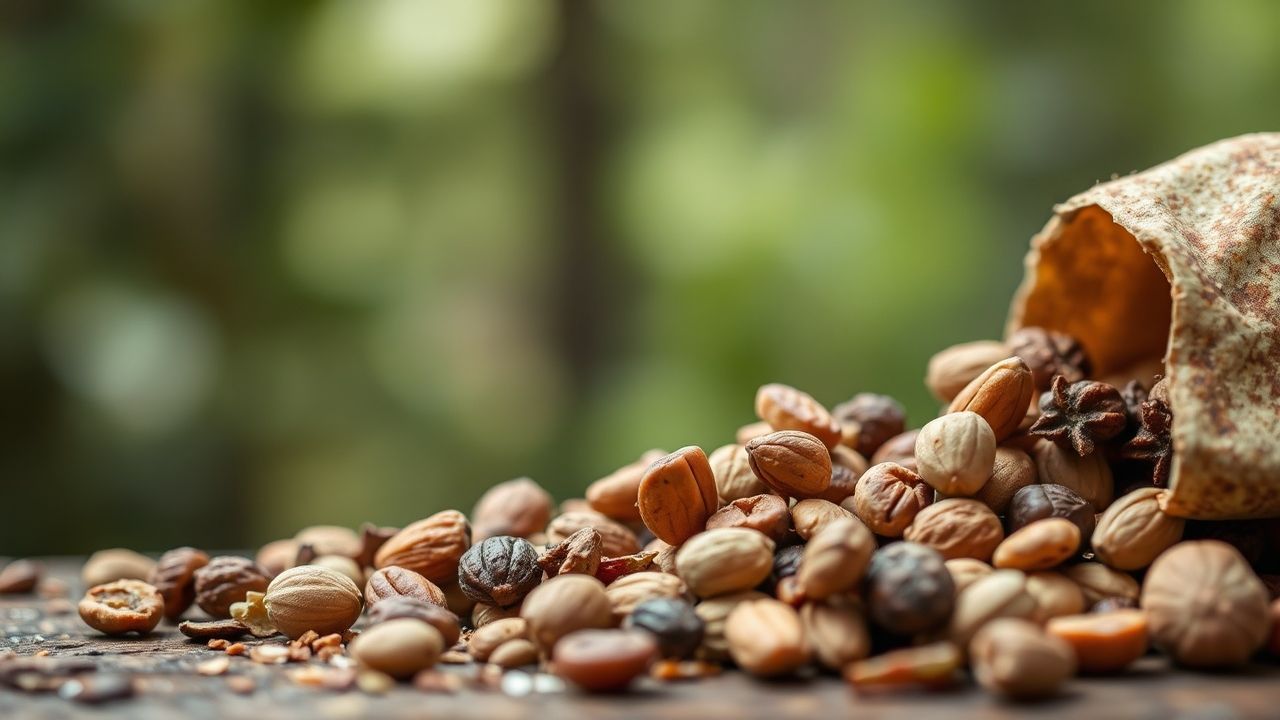
Different nuts change bar texture and flavor. Walnuts add a buttery, oily mouthfeel; hazelnuts lend a sweet, crunchy note; chestnuts bring a starchier, softer profile after cooking.
Consult botanical references for species details. Read about the general nut (fruit) structure and specific profiles for walnut and chestnut.
When swapping nut types, adjust binder weight: higher‑oil nuts often require slightly more oats or seeds to maintain firm texture, while starchier nuts need less binder.
Energy Bars: Practical Links and Further Reading
For expanded recipes and variations, browse internal resources like our Energy bar recipes collection. For field identification and safety, see our internal foraging guides.
These internal pages provide paired recipes and seasonal harvesting advice to help you plan trips and pantry rotation effectively.
To Wrap It Up
These bars convert seasonal, foraged nuts into reliable, portable snacks that pair high energy density with whole‑food ingredients. The no‑bake approach reduces gear and preserves delicate oils.
Make adjustments to nuts, sweeteners, and add‑ins based on foraged finds and pantry staples. Small tweaks let you reproduce the bars consistently for everyday use or outdoor trips.
FAQ
How long do foraged nut energy bars last?
Stored in an airtight container in the refrigerator, expect up to two weeks of stable quality. Frozen bars last several months when individually wrapped for single‑serve thawing.
Which wild nuts work best for energy bars?
Walnuts and hazelnuts perform well due to oil content and texture. Cooked chestnuts add a softer, starchier element when you want a less oily bar.
Do I need special equipment to make these bars?
No special gear required. A skillet, mixing bowl, saucepan, parchment, and a food processor or sharp knife are sufficient for most versions.
Can I make these energy bars vegan?
Yes. Replace honey with maple syrup or agave and use seed butter to avoid tree nuts. That creates fully plant‑based bars with similar binding behavior.
What simple flavor variations work well?
Additions like dried wild berries, a pinch of sea salt, or dark chocolate adjust the profile. Test changes on small batches to dial in texture and sweetness.
See also: Energy Bars