
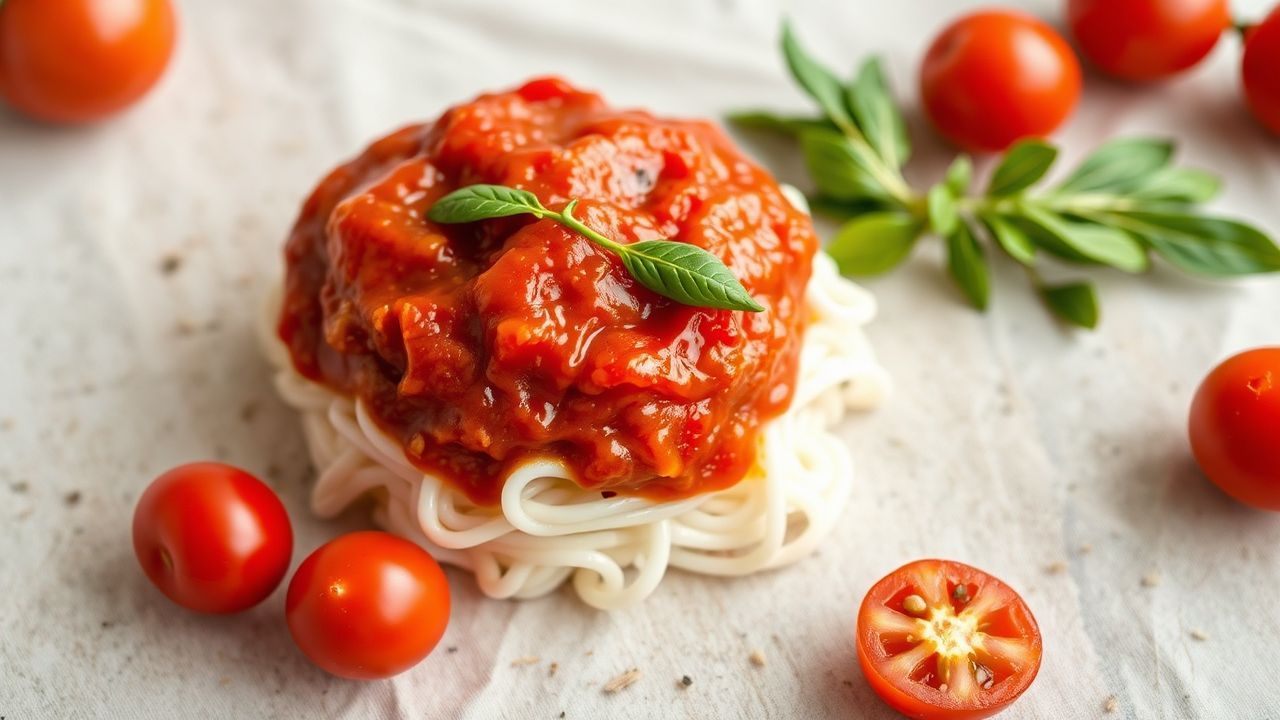

Tomato Sauce for lasagna must be focused on texture, herb timing, and a controlled reduction so every layer stays flavorful without soggy sheets. This method explains ingredient choices, the simmer rhythm, and small technical moves that give the sauce clarity and richness.
- Concentrate flavor: choose meaty tomatoes or high-quality canned to reduce water early.
- Control heat: a low, steady simmer prevents bitterness and preserves aromatics.
- Herb timing: add fresh basil and oregano late to retain volatile top notes.
- Finish for silk: a knob of butter or splash of wine smooths mouthfeel before assembly.
Prep and Cook Time
Active prep runs about 20 minutes; hands-on work focuses on chopping and seasoning so the pot can do the rest. Plan a gentle simmer of 60–75 minutes to reduce water and concentrate flavor.
Total elapsed time is roughly 1 hour 35 minutes including a short rest to let the sauce settle and for aromatics to integrate. If you make the sauce ahead, refrigeration for 24–48 hours improves balance and reveals any final seasoning tweaks.
Yield
This recipe yields about 6 cups of finished sauce—enough for a 9×13-inch lasagna that feeds 6–8 people. Yield varies with tomato variety and how aggressively you reduce; plum or Roma types concentrate more quickly.
Portion and freeze in labeled containers for quick use later; thaw slowly in the refrigerator and reheat gently to preserve emulsion and texture. For batch cooking, halve or double ingredients while keeping simmer time consistent until desired body is reached.
Difficulty Level
Difficulty rates medium: the technique is straightforward but demands attention during simmering and seasoning. Basic skills such as deglazing, controlling a simmer, and finishing an emulsion produce restaurant-level results at home.
Use a heavy-bottomed pot to prevent hotspots and sticking, and rely on sensory cues—sight, smell, and mouthfeel—rather than precise timing alone. Mastering these cues improves outcomes across other tomato-based sauces and ragus.
Ingredients
Choose ripe Roma or plum tomatoes for lower water content in season; high-quality canned San Marzano-style tomatoes are a reliable fallback off-season. Olive oil and a modest sugar help balance acidity while fresh herbs add lift late in the cook.
Keep quantities flexible to taste; reserve most fresh basil and oregano until the end to preserve their volatile aromatics. See the Wikipedia entry on tomato for variety context and selection guidance.
- 3 lbs ripe Roma or plum tomatoes, cored and chopped
- 2 tbsp extra virgin olive oil
- 1 medium yellow onion, finely diced
- 4 cloves garlic, minced
- 1 tsp red chili flakes (optional)
- 1 tsp salt, or to taste
- 1/2 tsp freshly cracked black pepper
- 2 tbsp fresh basil, chopped (reserve some for finish)
- 1 tbsp fresh oregano, chopped
- 1 tsp dried thyme
- 1 tsp sugar (to balance acidity)
- 1/4 cup red wine (optional)
- 1 cup water or low-sodium vegetable broth (as needed)
Instructions
Work in sequence: build the flavor base, add tomatoes, then reduce slowly until the sauce achieves clingy texture. Use medium heat for sautéing and low heat for the long simmer—this prevents bitterness from overheating sugars and keeps aromatics intact.
Finish by tasting hot and then cold the next day to confirm balance before assembling lasagna. Choose immersion blending for a smooth finish or light mashing for a rustic bite depending on how the sauce will sit between pasta layers.
Step-by-step
- Select the ripest tomatoes: Wash and chop into even pieces; remove cores and excess seeds if juices look thin. Removing seed water early reduces the need for prolonged reduction.
- Build the flavor base: Warm olive oil over medium heat, then sauté onions 5–7 minutes until translucent. Keep stirring to avoid browning; soft, sweet onions add body without harshness.
- Add garlic and spice: Stir in garlic and chili flakes for 1–2 minutes until aromatic; do not brown the garlic to avoid bitterness. Deglaze with a splash of red wine if using, scraping any fond for added depth.
- Introduce tomatoes and season: Add chopped tomatoes, salt, pepper, thyme, and a teaspoon of sugar to regulate acidity. Combine thoroughly, then bring to a low simmer and skim any excess foam for clarity.
- Balance herbs and timing: Add most fresh basil and oregano in the last 10–15 minutes of cooking to preserve top notes. Reserve a small amount of basil to finish the sauce and brighten aroma at service.
- Master the simmer: Maintain a gentle simmer for 60–75 minutes, uncovered, stirring occasionally to prevent sticking. Add small amounts of water or broth if the sauce reduces too quickly or clings too tightly.
- Texture control: Ten minutes prior to finishing, use an immersion blender for a silky texture or lightly mash for rustic body. Check consistency against how the sauce will be layered in lasagna; it should coat a spoon without running.
- Final adjustment: Taste hot and adjust salt, acid, or herbs. If acidity stands out, a pinch more sugar or a splash of wine smooths balance; finish with a small knob of butter for a rounded mouthfeel.
Technique Notes and Science
Slow reduction concentrates natural sugars and glutamates, enhancing umami and perceived sweetness without adding sugar. Gentle heat reduces the risk of charring and the bitter notes that follow high-heat breakdown.
Acids in tomatoes accelerate pigment breakdown; add fresh basil late to preserve volatile oils and bright top notes. For background on the chemical reactions involved, see Maillard reaction and the broader cooking context.
When building a stable sauce, small adjustments matter: a pinch of salt or a teaspoon of sugar can shift the profile significantly. Taste frequently, adjusting a little at a time rather than large swings.
Tips for Success
Drain excess seed liquid if tomatoes look especially wet during prep; this prevents long over-reduction and preserves fresh flavor. Toasting dried herbs briefly in oil can release oils, but reserve fresh herbs for the end of the cook.
Test the sauce cold the next day to identify lingering acidity or flatness; cold tasting reveals balance better than hot tasting. For oil selection and storage, refer to olive oil sourcing guidance.
Serving Suggestions
This sauce pairs classically with béchamel and ricotta in lasagna; layer thinly so pasta sheaths absorb flavor without turning soggy. For béchamel technique and its role in lasagna, consult béchamel sauce.
Use the sauce beyond lasagna: toss with fresh pasta, spoon over roasted vegetables, or use as a base for baked eggplant dishes. For complementary approaches to herbs and pasta, review internal guides on essential herbs and pairing notes on this site.
Related internal reading: essential herbs for Italian cooking and pasta and sauce pairings.
Nutrition (Per Serving)
Nutrition varies with oil and additions; this estimate assumes olive oil and no meat. A single serving (1/6 of sauce) supplies roughly 90 calories, with low fat and a source of vitamins from tomatoes and herbs.
Use the nutritional snapshot to plan portioning when assembling lasagna and to account for cheese or béchamel additions separately. Adjust portions when pairing with meats or richer cheeses.
| Nutrient | Per Serving (1/6 of sauce) |
|---|---|
| Calories | 90 |
| Protein | 2 g |
| Carbohydrates | 18 g |
| Fat | 3 g |
FAQ
Answers here address common, practical questions home cooks ask when preparing tomato sauce for lasagna. Each item gives a concise, actionable solution to reduce guesswork and improve consistency.
Q1: What makes homemade tomato sauce superior for lasagna?
Fresh control of ingredients yields brighter flavor and a targeted texture compared with many jarred sauces. You can tune acid, sweetness, and herb timing to the assembly you plan to build.
Homemade sauce lets you choose smoothness or a slightly chunky texture so it integrates properly with pasta and filling without adding excess water between layers.
Q2: Which tomatoes are best for a lasagna sauce?
San Marzano-style canned tomatoes offer balanced sweetness and lower acidity that many chefs prefer for a classic profile; fresh Roma or plum types work best in season. Choose meaty varieties to reduce liquid and speed concentration.
For variety background and cultivation notes, consult the tomato entry.
Q3: How do I prevent watery lasagna from sauce moisture?
Reduce the sauce until it reaches a slightly thick, clingy texture that won’t run between pasta layers. Drain excess seed liquid during prep and use measured, thin smears of sauce between sheets rather than heavy puddles.
Pre-baking sheets briefly or using slightly less béchamel can also reduce total moisture. Texture control during reduction matters more than exact volume.
Q4: Can I make this sauce ahead, and how should I store it?
Yes. Refrigerate up to 3 days or freeze up to 3 months in airtight containers. Thaw slowly and reheat gently to preserve emulsion and texture.
Make-ahead storage often improves flavor melding; cold tasting the next day helps you fine-tune seasoning before final assembly.
Q5: What small tricks elevate the sauce to a restaurant level?
A splash of quality red wine mid-cook and a small knob of butter at the finish add depth and silk. Add fresh basil at the end to preserve aromatic top notes and brighten the final dish.
Pay attention to finishing and tasting steps; small increments—pinch of salt, small sugar adjustments—produce more consistent, professional results than large corrections.
With careful tomato selection, controlled simmering, and mindful seasoning, your homemade tomato sauce will lift lasagna to memorable levels. Small technical choices—timing of fresh herbs, reduction control, and finishing—produce a marked improvement.
Trust the process and use cold tastings to confirm balance before assembly. Buon appetito.
See also: Tomato Sauce
Recommended Reading:
- Crisp & Sweet: The Ultimate Guide to Dehydrated Apple Chips
- Preserving Fresh Flavor: The Art of Putting Up Tomatoes
- Crunchy Creations: Homemade Granola Using a Dehydrator