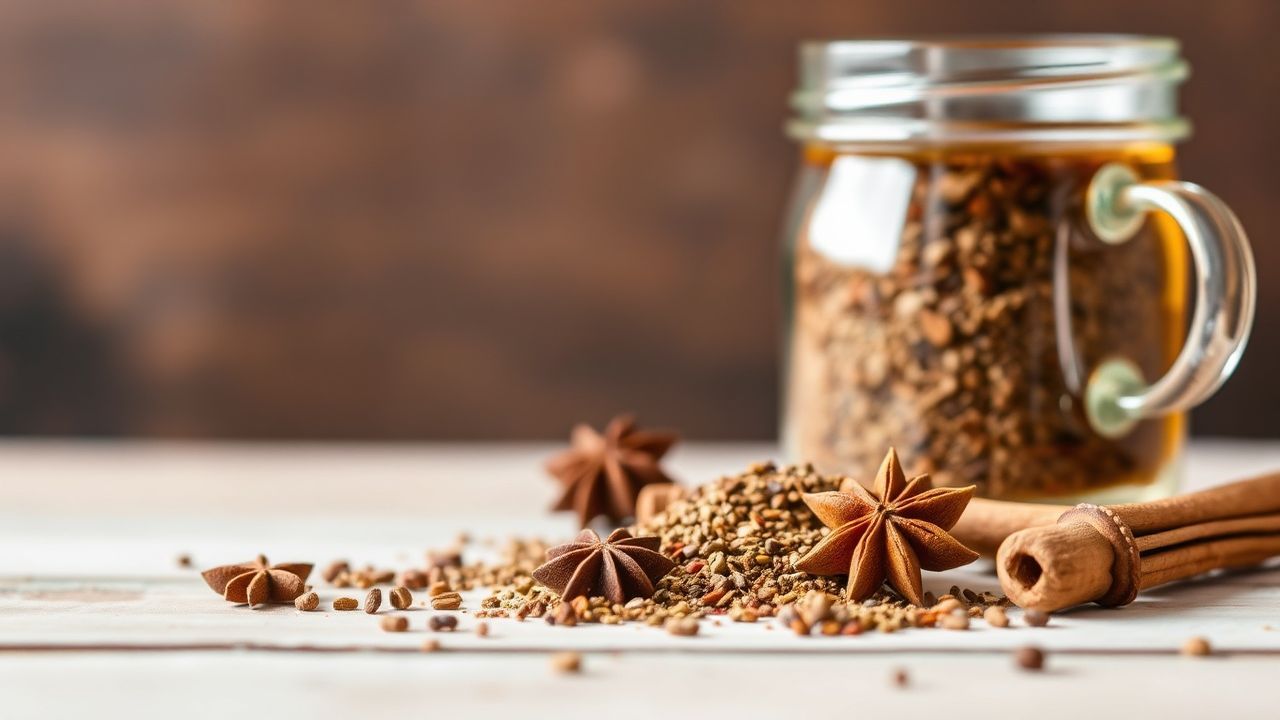

The Art of Crafting Your Own Mulling Spice Blend
The scent of warm spices can instantly create a cozy atmosphere and lift a simple drink into something memorable. Crafting a mulling spice blend lets you control aroma, intensity, and the overall balance that defines your seasonal beverages.
- Master the Art: Build a personalized, aromatic mulling spice blend that suits cider, wine, tea, and cocktails.
- Essential Spices: Focus on quality whole spices such as cinnamon, cloves, and star anise.
- Pro Technique: Lightly toasting whole spices unlocks essential oils for richer aroma and longer shelf life.
- Storage Savvy: Store in airtight jars in a cool, dark place for up to six months for best flavor.
Use this guide to learn exact proportions, practical techniques, and smart substitutions that preserve freshness and boost flavor. The steps here favor whole spices, simple tools, and repeatable results you can rely on every holiday season.
Unveiling the Essence of Mulling Spice
Mulling spice is a curated blend of warming and aromatic botanicals designed to infuse liquids with layered flavor. That infusion transforms basic apple cider, wine, tea, or even water into a complex, comforting beverage.
The tradition of mulled beverages has deep roots in European culinary practice, where spices were used to preserve and flavor wines and ciders. For historical context on similar traditions, see the mulled wine entry.
Key Details for Your Blend
Prep and Cook Time
Preparation typically takes about 15 minutes, with toasting and blending adding roughly 10 minutes. Most home cooks spend 25 minutes total to produce a usable, aromatic cup-ready blend.
Yield
Expect approximately 1 cup of finished mulling spice, which will flavor about 1 gallon of liquid when used at recommended strength. Store the remainder to reuse across several servings.
Difficulty Level
Difficulty rates as Easy to Medium. The techniques are straightforward but precision in toasting and proportions improves the final outcome. This makes the recipe approachable for beginners and satisfying for experienced cooks.
The Symphony of Mulling Spices: Essential Ingredients
A classic blend pairs sweet, woody, floral, and citrus elements so they unfold gradually during simmering. The following ingredients form a balanced base that you can modify to taste.
Use whole spices when possible to preserve volatile oils. For reference on specific spices, consult the cinnamon and clove Wikipedia pages for botanical and culinary details.
- 3 tablespoons whole cinnamon sticks, broken into smaller pieces
- 2 tablespoons whole allspice berries
- 2 tablespoons whole cloves
- 1 tablespoon whole star anise
- 1 tablespoon black peppercorns
- 2 dried orange peels, hand-torn into strips
- 1 teaspoon grated nutmeg (freshly grated preferred)
- 1 tablespoon dried rosehips (optional) for floral depth
- 1 teaspoon fennel seeds for subtle licorice notes
The Crafting Process: From Spices to Sensation
Work in small batches so you can control toasting and grind size. The goal is a coarse, textured blend that releases aroma slowly during simmering.
Follow these steps in order to protect essential oils and avoid bitterness. Each step contributes to clarity of flavor and shelf stability.
- Prepare Your Spices: Break cinnamon and citrus peels into small pieces so they toast evenly and infuse faster when simmered.
- Toast the Spices: Warm a dry skillet over medium heat. Toast cinnamon, allspice, cloves, star anise, and peppercorns for 3–5 minutes, stirring continuously until fragrant.
- Cool and Grind: Let spices cool fully, then pulse briefly in a spice grinder or use a mortar and pestle. Aim for a coarse texture, not a powder, to avoid clouding the final drink.
- Combine with Fresh Ingredients: Stir in grated nutmeg and dried citrus peels. Mix until distribution looks even and aromatic notes balance to your preference.
- Store Your Blend: Transfer the finished mix into an airtight glass jar and label with preparation date. Keep the jar in a cool, dark spot away from heat and light.
Expert Culinary Insights and Pro Tips
Small technique adjustments yield large flavor gains. Toasting unlocks oils, grinding controls release, and storage preserves potency for months.
Test your blend before committing to a large batch of beverage. Steep a teaspoon in hot water to preview aroma and adjust quantities of hot or floral spices accordingly.
Adjust spices to the beverage. For example, add a few crushed cardamom pods for floral lift when mulling black tea, or extra orange peel for apple cider. Keep notes so you can refine the recipe over time.
For substitutions: dried lemon peel works in place of orange, and a vanilla bean split lengthwise smooths and sweetens the mix without added sugar. Use small trials to avoid overpowering your base liquid.
Keep a jar for experimentation and one for serving so the trial batches do not affect the guest-ready blend. This separation makes consistency easy to maintain.
History and Cultural Context
Spice mulling evolved from preservation and flavoring techniques used across Europe and Asia. Historically, spices masked off-flavors in stored wines and added perceived medicinal properties to warm drinks.
Modern mulling blends preserve that heritage while offering flexibility for local ingredients and palates. The practice links culinary technique with seasonal ritual and hospitality.
Creative Serving Suggestions and Applications
Simmer your blend gently with apple cider, red wine, or strong tea. Use 1–2 tablespoons per quart and steep 20–30 minutes without boiling to prevent volatile loss.
Garnish with orange slices, cinnamon sticks, or star anise for presentation. Try adding a splash of brandy, a drizzle of honey, or a vanilla bean for special occasions.
Beyond drinks, infuse simple syrup with a teaspoon of ground mulling spice for cocktails and desserts. You can also simmer a small pot of the blend in water to create an aromatic room scent during gatherings.
Nutritional and Flavor Profiles of Key Spices
Each spice contributes distinct aromatics and potential bioactive compounds. The combination yields sensory complexity and subtle health-promoting properties described in culinary literature.
Below is a concise flavor-and-benefit table to guide adjustments based on taste and intended effect.
| Ingredient | Flavor Profile | Key Benefit |
|---|---|---|
| Cinnamon Sticks | Warm, sweet, woody | Enhances sweetness and depth; rich in antioxidants |
| Cloves | Strong, pungent, aromatic | Adds spicy warmth; antimicrobial compounds |
| Star Anise | Licorice-like, sweet | Brightens blend; supports digestion |
| Allspice Berries | Cinnamon, nutmeg, clove notes | Brings complexity and balance |
| Orange Peel | Bright, zesty, fresh | Lifts aroma; adds citrus antioxidants |
| Nutmeg | Earthy, warm, slightly sweet | Adds subtle depth and warmth |
Expanding Your Spice Horizons
Once you master a base blend, branch out to regional variants and modern twists. Cardamom, ginger, and star anise create distinct profiles that pair differently with wine, cider, or tea.
Study spice origins and flavor families to predict combinations that will harmonize. For botanical background on additional spices, consult the allspice entry and related spice articles.
FAQ
What exactly is mulling spice, and why make my own blend?
Mulling spice is a curated mix of whole spices meant to infuse warmth and depth into drinks. Making your own lets you control freshness, strength, and the flavor profile to match the beverage you plan to mull.
What are the essential spices for a classic mulling blend?
Core ingredients are cinnamon, cloves, star anise, and dried citrus peel. These create a base of sweet, pungent, and bright notes that play well with cider, wine, and tea.
Can I experiment beyond traditional spices?
Yes. Cardamom adds floral complexity, ginger brings heat, and vanilla smooths flavor. Start small and adjust in test steeps to find a balance that suits your palate.
How should I store my mulling spice blend?
Store in an airtight glass jar, labeled with the date. Keep it in a cool, dark cabinet away from heat and direct sunlight to maintain potency for up to six months.
How much blend should I use when mulling?
Use about 1–2 tablespoons per quart of liquid. Simmer gently for 20–30 minutes, then strain. Adjust strength to taste and reduce simmer time for more delicate bases like green tea.
See also: mulling spice