
There is a timeless satisfaction to a well-assembled Plowman’s Lunch. The trio of crusty bread, mature cheese and bright pickles balances texture and flavor in a way few simple meals can. This guide distills practical selection, pickling and plating strategies so you can assemble a memorable rustic lunch quickly and reliably.
- Balance matters: acid from pickles cuts fat from cheese and refreshes the palate.
- Choose structure: a sturdy loaf prevents soggy bites and supports bold cheeses.
- Make brine intentionally: brine strength and temperature determine pickle crunch and shelf life.
Prep & Overview
Preparation time: about 20 minutes active work, with quick-pickles ready in 4 hours; overnight yields best results.
Yield: serves 4 generous portions. Difficulty: easy-to-medium for home cooks who want a refined midday spread.
Key Components
The Plowman’s Lunch relies on three primary elements: bread, cheese and pickles. Each performs a distinct role: structural, creamy and acidic.
Understanding each component’s technical qualities—crumb structure, fat content, acidity and texture—lets you pair them deliberately rather than randomly. This creates a cohesive plate rather than a collection of items.
Bread: structure and crumb
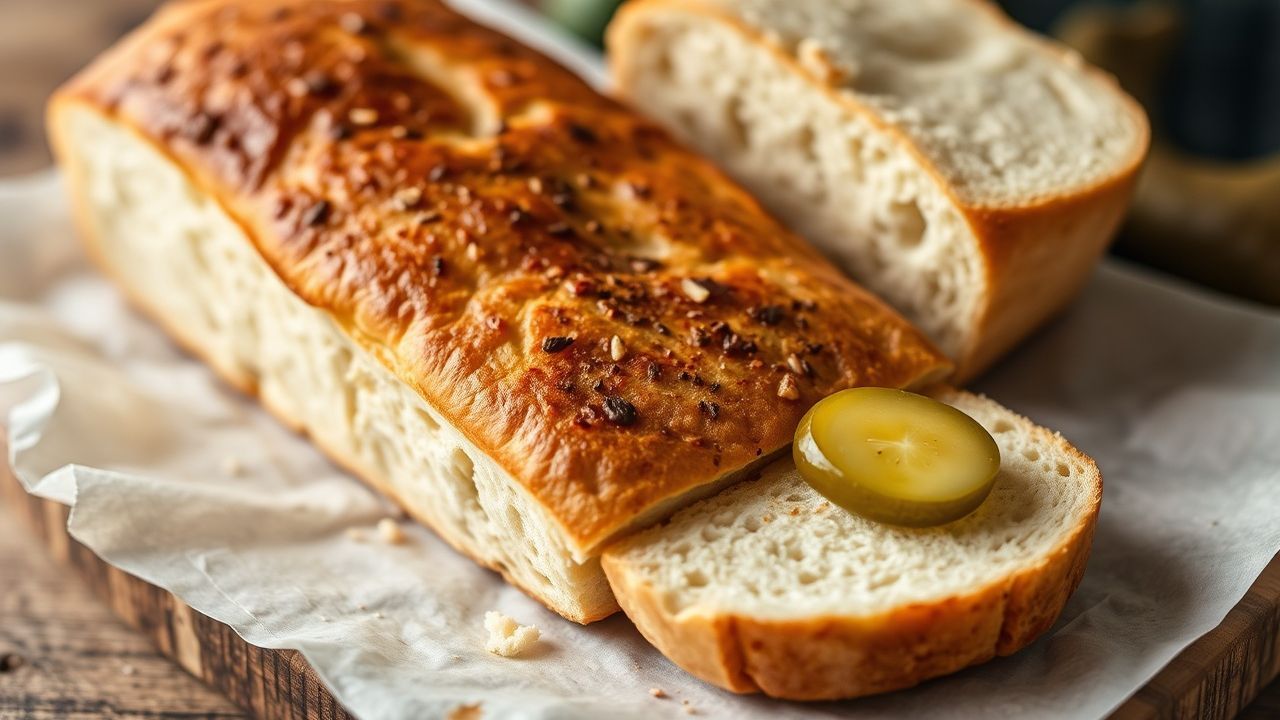
Choose breads with a thick crust and an open crumb that resist collapse under weight. Examples include rustic sourdough, farmhouse loaves and dense rye, each providing different flavor notes and mouthfeel.
When evaluating bread, consider hydration and fermentation. A well-fermented sourdough will offer tang and chew, while a denser rye brings nuttiness and bite. For more context on sourdough characteristics, see sourdough.
Cheese: fat, salt and umami
Opt for a mix of textures: a hard aged cheddar, a crumbly blue and a creamy soft cheese will create contrast on the palate. Fat content drives mouth-coating richness; salt enhances savory perception.
Slice cheeses so each piece shows its character. Offer a cheese knife per variety to avoid flavor carryover. For a primer on cheese types and production, consult the cheese entry.
Give diners clear tasting cues: label strong blues and tell-tale notes like nutty, grassy or earthy. This small touch improves the tasting experience and increases dwell time at the board.
Pickles & brine science
Pickles supply acid, salt and crunch—key elements that cut through fatty cheese and refresh the palate between bites. Quick-pickles use hot brine; fermented pickles rely on lactic acid from bacteria.
Control two variables in your brine: vinegar concentration and salt ratio. Typical quick-pickle brines use a 1:1 vinegar-to-water ratio with 1–2 tablespoons salt per cup of liquid. For background on preservation methods, see pickling.
Ingredients
This ingredients block mirrors a classic Plowman’s approach: multiple breads, 2–3 cheeses and a bright jar of pickles. Quantities below serve four people comfortably.
Keep ingredients simple and high-quality. A handful of extras—hard-boiled eggs, butter, fresh herbs—elevate presentation without complex technique.
- Breads: 1 rustic sourdough loaf, 1 small walnut-raisin boule, 1 baguette, sliced.
- Cheeses: 150g mature cheddar, 100g Stilton (or other blue), 120g creamy Brie.
- Pickling brine: 1 cup white vinegar (5% acidity), 1 cup water, 2 tbsp sugar, 1 tbsp sea salt, cucumber, red onion, mustard seeds, optional fresh chili.
- Extras: butter softened, boiled eggs quartered, lettuce leaves, ripe tomatoes, parsley or chives.
Instructions
Follow a logical sequence: select breads and cheeses, make brine, assemble. Working in stages prevents overhandling and keeps textures crisp.
Time the quick-pickles first so they have a few hours to cool and develop before serving. Meanwhile, prepare cheeses and accompaniments.
- Select breads: buy from a bakery or choose artisan loaves with a robust crust. Slice just before service to preserve crumb spring.
- Make the brine: in a saucepan combine vinegar, water, sugar and salt. Warm until sugar dissolves, then cool lightly before pouring.
- Pack veggies: pack thinly sliced cucumber and red onion into a clean jar with mustard seeds and chili if desired. Pour hot brine to cover and seal.
- Chill and rest: refrigerate jars for at least four hours; overnight gives more even acid penetration and texture retention.
- Arrange cheeses: place cheeses with space between varieties and label if you expect guests who may not know each type.
- Serve: slice bread, add butter, small bowls of pickles, eggs and tomatoes. Garnish with herbs and offer cider or ale as a pairing.
Tips for Success
Small process choices dramatically affect the final plate. Temperature control, knife hygiene and plating rhythm all influence how guests perceive the meal.
Rotate textures—crunch, cream, chew—and aim for a clean acid counterpoint. Use simple tools: a thermometer for brines, a good serrated knife for bread and a dedicated cheese knife per style.
- Texture mix: include one crumbly, one creamy and one firm cheese for variety.
- Brine care: do not boil vinegar; bring to a gentle simmer to preserve volatile aromatics.
- Leftovers: quick-pickles last up to two weeks refrigerated; refresh with new brine if flavors fade.
Serving Suggestions
Presentation drives first impressions. Use a wide board and cluster items so each element invites tasting without crowding the plate.
Pairings matter: a robust ale or dry cider complements fatty cheeses and enhances the rustic mood. Also, scatter herbs or edible flowers for color contrast and aroma.
Nutritional Information
The sample plate below gives a snapshot per serving. Macros will vary by cheese type and bread weight, so use these figures as an estimation rather than a strict analysis.
Adjust portions to meet dietary goals: reduce cheese weight for lower fat or choose whole-grain bread for added fiber.
| Component | Per Serving |
|---|---|
| Calories | ~560 kcal |
| Protein | 28 g |
| Carbohydrates | 45 g |
| Fat | 30 g |
Context & Tradition
The Plowman’s Lunch traces to English working lunches that combined portable, high-energy foods. Its longevity owes to practicality and the pleasing interplay of textures.
For historical background on the tradition and its place in British food culture, consult the Ploughman’s lunch article and the broader context in British cuisine.
FAQ
What is a Plowman’s Lunch?
The Plowman’s Lunch is a rustic platter focused on bread, cheese and pickles. It originated as a practical midday meal for laborers and now appears on menus as a nostalgic classic.
How long do quick-pickles need before serving?
Quick-pickles are edible within four hours, though they gain complexity overnight. Cold refrigeration helps retain crunch while the acids meld with vegetable tissue.
Which cheeses work best together?
Combine a hard, aged cheese with a creamy soft cheese and a salty blue for contrast. This mix delivers flavor variety and textural balance across bites.
Can I prepare components ahead of time?
Yes. Pickles and some cheeses can be prepared a day ahead. Slice bread right before serving to preserve texture; keep butter at room temperature for immediate use.
Where can I learn more about pickling techniques?
For deeper technical reading on fermentation and preservation, see the general pickling resources and reputable culinary references. The pickling entry offers an accessible overview.
By focusing on texture, brine chemistry and deliberate pairings, you can scale this simple tradition into a refined, memorable lunch. Assemble thoughtfully, serve confidently and enjoy the satisfying contrast that defines a great Plowman’s Lunch.
See also: Plowman’s Lunch