
Step into a hands-on guide to rich, velvety dairy at home. This piece highlights the best cookbooks, fundamentals, and a tested custard recipe so you can make butter, yogurt, cheese, and custard with confidence.
- Practical guides accelerate learning from simple projects like ricotta to advanced aging.
- Technique-first books teach temperature control and culturing for consistent results.
- Flavor experiments let you adapt recipes for lactose sensitivity or plant-forward swaps.
Why choose homemade dairy?
Homemade dairy delivers fresher flavor and tighter control over ingredients than most store-bought alternatives. When you craft spreads, cultured products, or simple cheeses, you avoid stabilizers and can calibrate fat, salt, and texture to match your palate.
Beyond flavor, making dairy at home deepens understanding of food science and traditional techniques. For a primer on the broader category, see dairy, which explains production, categories, and how milk properties affect recipes.
Top cookbooks that build skill and confidence
A well-structured cookbook blends precise technique with practice recipes. Look for books that group projects by method—culturing, churning, and heat-set techniques—so you can progress logically and reduce common failures.
Good titles include beginner-focused guides and advanced references that explain the why behind each step. The right book saves time, reduces waste, and increases success rates when you tackle milk-based projects.
Milk Magic: Beginner Projects
This kind of beginner guide breaks down simple wins like homemade ricotta and cultured buttermilk. Short, photo-driven steps help you build confidence on the first attempts.
Cheese Charmers: Artisan Techniques
Advanced cheese manuals focus on aging, cultures, and pressing. They pair methodical troubleshooting with recipes for fresh to aged cheeses so you can scale skills over months.
Velvet Touch: Desserts & Custards
Books centered on desserts explain thickening agents, sugar balance, and tempering eggs for silky creams and custards. They also cover safety points for egg-based preparations.
Dairy Dreams: Modern Substitutions
Contemporary volumes often include lactose-free and plant-forward adaptations for people with dietary limits. They teach ingredient swaps while preserving texture and mouthfeel.
Core techniques every home dairy maker must master
Technique matters more than recipes. Focus on three areas: temperature control, culture management, and fat balance. Mastering these lets you adapt any recipe from a cookbook into a reliable result.
Use reputable reference pages to deepen theory. For example, read the fundamentals of custard structure and curdling mechanics to understand why heat and agitation matter.
Milk and cream selection
Choose fresh, high-quality milk and creams with known fat content. Higher fat gives silkier custards and richer butters, while lower-fat milk works best when recipes call for light textures.
Temperature control and tempering
Heat slowly and use a thermometer to maintain precise ranges. For egg-thickened custards, always temper yolks to prevent scrambling and achieve a smooth set.
Culturing yogurt and cheese basics
Cultures require consistent warmth and sanitation. For yogurt, keep the holding temperature steady; for cheeses, sanitation and the right starter cultures determine flavor and texture.
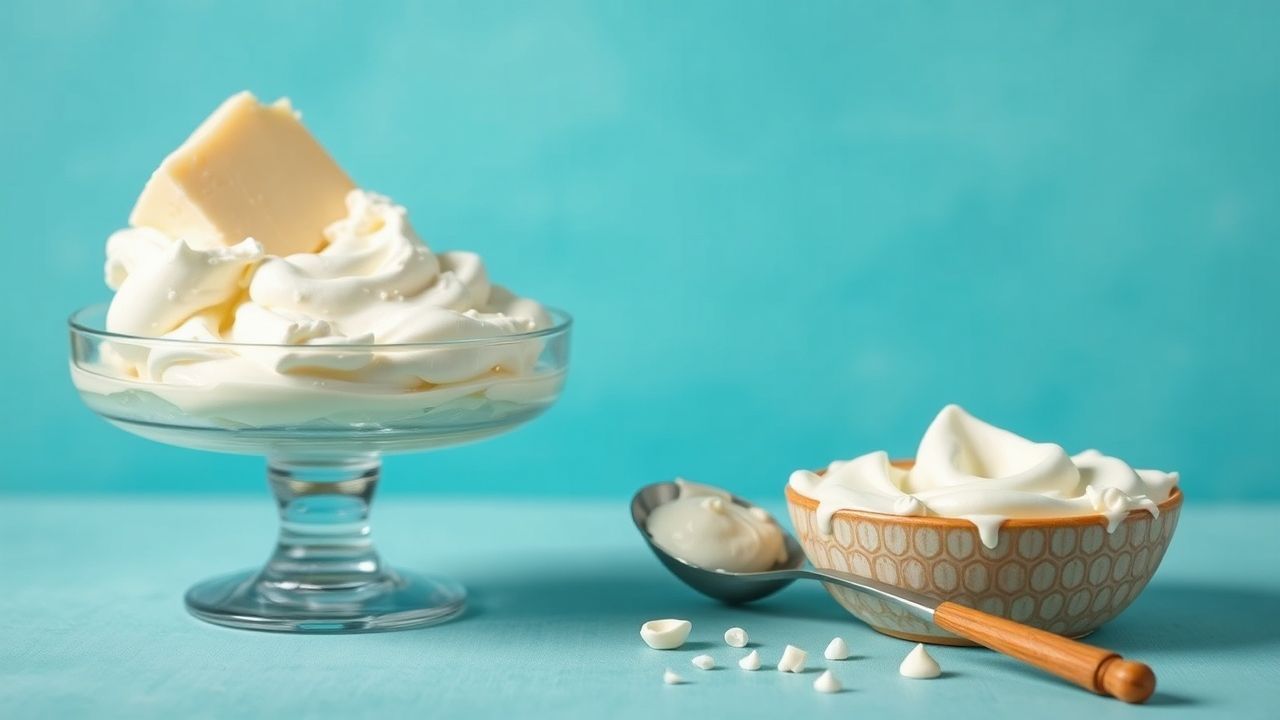
Recipe: Classic vanilla custard (tested approach)
This recipe illustrates core dairy techniques: gentle heat, tempering, and straining for a silk-smooth finish. It aligns with methods found across the best dessert-focused dairy cookbooks.
Prep and cook times below reflect hands-on and passive chilling time. Follow the technique notes to prevent curdling and to preserve glossy mouthfeel.
Prep & time
Prep time: 15 minutes. Cook time: 30 minutes. Total time: 2 hours 45 minutes including chilling.
Yield & difficulty
Yield: Serves 6–8. Difficulty: Medium — good for cooks who want to practice tempering and low-heat cooking.
Ingredients
- 4 cups whole milk
- 1 cup heavy cream
- 1/2 cup granulated sugar
- 4 large egg yolks, beaten
- 1 teaspoon pure vanilla extract
- 1 tablespoon unsalted butter
- A pinch of fine sea salt
Instructions
- Warm the dairy: In a heavy-bottomed saucepan, combine milk and cream. Heat over medium-low until the mixture just simmers at the edges—do not boil.
- Temper the yolks: Whisk 1/2 cup of the warm milk into the yolks slowly, then pour the yolk mix back into the pan. Stir continuously over low heat.
- Cook to thickness: Stir until the custard coats the back of a spoon, about 8–10 minutes. Use a thermometer: aim for 175–180°F (80–82°C).
- Finish and cool: Remove from heat, whisk in sugar, butter, vanilla, and salt. Strain through a fine sieve, then chill at least 2 hours.
Tips for consistent results
Small adjustments change texture quickly. Stir gently and monitor temperature closely to avoid graininess or separation. Also, choose kitchen tools—thermometer, sieve, and timers—that you trust.
Store custard chilled in an airtight container. Flavors integrate and texture often improves after resting overnight.
For cultured dairy, maintain clean jars and consistent incubation temperatures. Slight temperature drift can shift tang and texture more than ingredient swaps do.
Serving suggestions and pairings
Serve chilled custard in small ramekins for an elegant dessert. Add fresh berries for acidity, toasted nuts for crunch, or a light caramel drizzle for contrast.
Beyond desserts, many dairy cookbooks recommend pairing homemade cheeses with crusty breads and fermented condiments. This approach highlights texture and flavor complexity.
Nutrition per serving
This custard yields moderately high calories due to cream and egg yolks. You can reduce calories by substituting part-skim milk but expect a change in mouthfeel.
| Nutrient | Per Serving |
|---|---|
| Calories | 230 |
| Protein | 6 g |
| Carbohydrates | 15 g |
| Fat | 16 g |
FAQ
What makes homemade dairy tastier than store-bought?
Homemade dairy often tastes fresher because you control ingredients and processing time. You avoid stabilizers, and you can adjust salt and aging to create distinct flavor profiles.
Which cookbook is best for beginners?
Choose a beginner-focused title that emphasizes step-by-step photos, clear temperature ranges, and simple starter projects like ricotta, yogurt, and cultured butter. These projects build confidence quickly.
Are there reliable lactose-free or vegan dairy cookbooks?
Yes. Contemporary guides include sections on lactose-free dairy and plant-based alternatives. They explain how to mimic texture using thickeners and high-fat plant creams.
How do I prevent common failures like curdling or graininess?
Control heat, temper eggs, and strain the finished product. Use a heavy-bottomed pan and a thermometer to maintain steady conditions and reduce the risk of separation.
Where can I learn more about the science behind techniques?
Look for reference articles and encyclopedic entries that explain milk proteins, emulsion behavior, and fermentation. For example, review the basics of yogurt cultures and their temperature requirements.
Future outlook for at-home dairy making
Home dairy remains popular because it merges craft and science. As cookbooks continue to evolve, expect clearer troubleshooting sections and stepwise learning paths that mimic professional apprenticeship.
Novel approaches—such as low-lactose procedures and hybrid plant–dairy textures—expand accessibility. Ultimately, the right cookbook paired with a few core tools will lift home dairy from experiment to dependable routine.
See also: Dairy Cookbooks