
Crispy Fried Kibbeh Overview
Crispy fried kibbeh stands among the most celebrated snacks and appetizers in Levantine kitchens. It pairs a thin, toasted bulgur-and-meat shell with a warmly spiced filling for a contrast of crisp and tender textures that many cooks chase for years.
- Key textures: crisp exterior, juicy interior.
- Core ingredients: fine bulgur wheat and lean minced meat.
- Technique matters: hydration, processing, and sealing control success.
- Serving: bright, acidic condiments balance richness.
The recipe that follows breaks technique into reproducible actions. Read with an intent to practice: shaping and frying are tactile skills improved by repetition.
The Art of Crafting the Perfect Kibbeh Shell
The shell relies on the physical properties of fine bulgur and lean meat to form a pliable dough. Fine bulgur absorbs water quickly; partial hydration produces a grainy matrix that binds when combined with ground meat and a touch of ice water.
Use a food processor to create a homogeneous paste without overworking the proteins. Processed correctly, the shell holds moisture but releases to a crisp crust when fried at a stable temperature.
For context on regional origins and variations, see kibbeh on Wikipedia. That page summarizes many local methods and shapes you’ll encounter.
Ingredients, Yield, and Timing
Exact proportions and timing set expectations for texture and yield. Below are professional measurements and realistic times for a cook working at home.
These figures assume use of fine bulgur and a standard 2-quart deep-frying vessel for batches. Adjust heat management and oil volume if you scale up.
Prep and Cook Time
Preparation: 30 minutes. Soaking and processing take the bulk of this time.
Cooking: 20 minutes active frying in batches; allow for oil recovery between batches.
Yield
Serves: 6–8 people.
Yield: Approximately 24 medium-sized torpedoes when shaped to walnut size.
Difficulty Level
Level: Medium. Mastery of shaping and frying improves results but the technique is learnable.
Expect uneven shells on your first attempt. Cold hands and chilled dough speed progress and reduce tearing.
Ingredients
For the Kibbeh Shell:
- 1 cup fine bulgur wheat, soaked 30 minutes and drained
- 1/2 lb lean ground beef or lamb
- 1 small onion, finely grated
- 1 tsp salt, 1/2 tsp black pepper
- 1/2 tsp ground allspice
- Ice water as needed
For the Filling:
- 1/2 lb ground beef or lamb
- 1 medium onion, finely chopped
- 1/4 cup toasted pine nuts
- 1 tsp cinnamon, 1 tsp allspice
- Salt and pepper to taste, 2 tbsp olive oil
For Frying: Vegetable oil, enough to fully submerge kibbeh pieces.
For background on bulgur as a cereal product and its cooking properties, consult bulgur wheat.
Instructions
Follow the sequence below. Each step insists on short, focused actions to preserve texture and avoid overworking the mixture.
- Prepare the shell: Drain soaked bulgur well. In a food processor, combine bulgur, 1/2 lb ground meat, grated onion, salt, pepper, and allspice. Pulse until you achieve a smooth, dough-like paste. Add a tablespoon of ice water if the paste feels dry.
- Make the filling: Heat olive oil in a skillet over medium heat. Sauté chopped onion until translucent, then add ground meat, cinnamon, allspice, salt, and pepper. Cook until the meat is browned and aromatic, break it into small pieces, then fold in toasted pine nuts. Cool before filling.
- Shape the kibbeh: Wet your hands with cold water. Pinch a walnut-sized portion of dough and roll into a ball. Use your thumb to hollow out the center and form a thin-walled shell approximately 1/8 inch thick. Add 1 tablespoon of filling, seal carefully, and shape into an oval or torpedo form.
- Fry to finish: Heat oil to 350°F (175°C) in a deep pot. Fry kibbeh in small batches for 4–5 minutes until deep golden and evenly crisp. Avoid overcrowding; allow oil to recover to temperature between batches. Drain on paper towels and rest five minutes before serving.
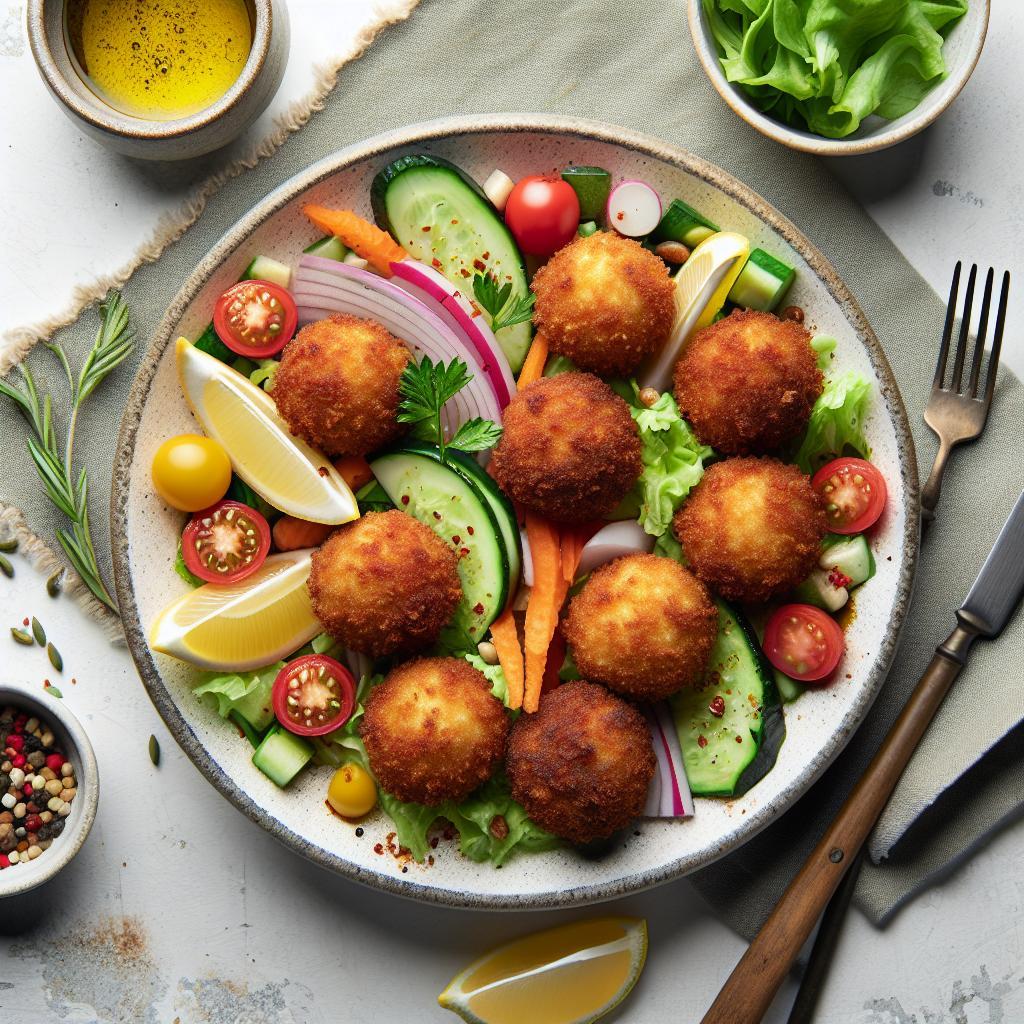
- Serve: Plate hot with bright accompaniments such as lemon wedges, chopped parsley, or a yogurt-based dip to cut richness.
For context on the Levantine culinary scene where many versions of kibbeh evolved, see the Levant.
Let shaped kibbeh chill 15–20 minutes on a tray before frying. This step firms the shell and reduces breakage during handling.
Tips for Success and Variations
Fine bulgur is the preferred grain for the smoothest shell; coarser types create a grainier texture. If you only have coarse bulgur, pulse it in the processor first to approximate fine bulgur.
Chill the dough and the filling separately: a cool filling prevents the shell from softening during shaping. Store-bought pine nuts are high in oil; toast them briefly to deepen flavor without burning.
Healthier options: For a baked version, arrange shaped kibbeh on a parchment-lined sheet, brush lightly with oil, and bake at 375°F for 20–25 minutes, flipping halfway to crisp both sides.
Vegetarian alternatives work well. Replace the filling with seasoned lentils, mushrooms, or a walnut-spice mix to approximate the umami and texture of meat fillings.
Serving Suggestions and Pairings
Traditional pairings bring acidity and herb freshness to balance fried richness. Consider a parsley-and-bulgar tabbouleh or a cucumber-yogurt salad for cooling contrast.
Classic sauces include tahini-based dressings and garlic emulsions. For a primer on one common condiment, read about tahini, which often accompanies many Levantine plates.
Garnish with pomegranate arils or lemon wedges to introduce tart bursts that cut through spice and oil. Present on a platter with small bowls of sauce for communal sharing.
Nutrition Snapshot
The table below provides a practical per-serving estimate when offering three kibbeh pieces. Values depend on meat lean percentage and frying absorption.
| Nutrient | Per Serving (3 pieces) |
|---|---|
| Calories | 310 kcal |
| Protein | 18 g |
| Carbohydrates | 22 g |
| Fat | 16 g |

FAQ
What is kibbeh made of?
Kibbeh typically combines bulgur wheat with minced meat and spices. The mixture forms a shell that can be fried, baked, or served raw in some regional preparations.
How do I prevent the shell from falling apart?
Prevent tearing by hydrating bulgur properly and chilling the dough before shaping. Wet hands and working with small pieces also reduce stress on thin walls during filling.
Can I prepare kibbeh ahead of time?
Yes. Assemble and freeze shaped, uncooked kibbeh on a tray, then transfer to a bag. Fry directly from frozen, adding an extra minute or two to the cooking time to reach a safe internal temperature.
Is there a vegetarian kibbeh?
Yes. Replace the meat filling with seasoned lentils, mushrooms, or chopped walnuts. Use the same shell mixture or substitute a bulgur-and-bean shell for a fully plant-based option.
What sauces pair best with fried kibbeh?
Tangy tahini sauces, garlic toum, and yogurt-based dips complement the rich filling and crisp shell. Acidic elements such as lemon or sumac-enhanced onions brighten each bite.
For broader cultural background on regional cuisine styles that include kibbeh, consult Middle Eastern cuisine on Wikipedia.
Discover variations, practice shaping, and refine frying technique: those steps convert this timeless recipe into a signature item in your repertoire.
See also: Kibbeh