
Crispy & Nutritious: Making Kale Chips in Your Dehydrator
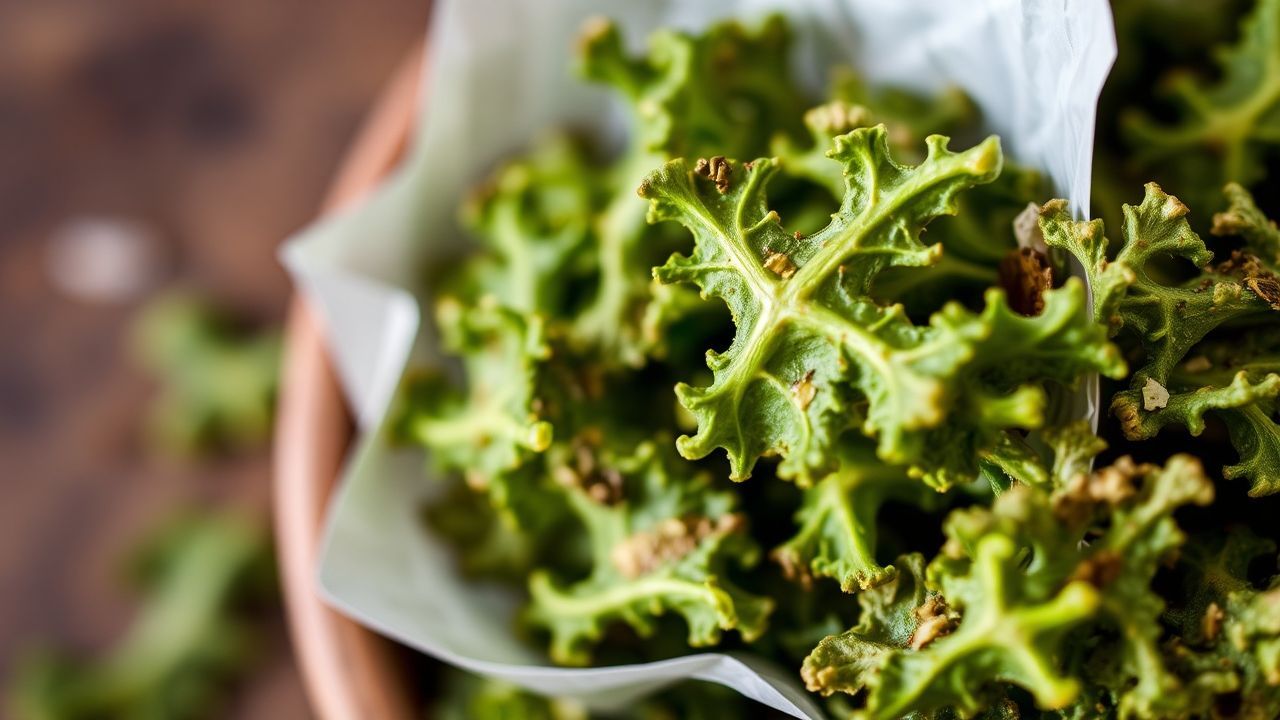
Crunchy, flavorful, and packed with nutrients, homemade kale chips make a high-impact snack with low effort. A dehydrator removes moisture gently and preserves heat-sensitive vitamins while delivering a satisfying snap.
- Quick wins: pick sturdy leaves and remove surface water for reliable crispness.
- Flavor boost: use a light binder and balanced spice blends so seasonings cling evenly.
- Storage: cool fully and seal airtight to keep chips crunchy up to two weeks.
- Technique: low heat and steady airflow in the dehydrator produce consistent results.
Choosing the Perfect Kale Varieties
Leaf structure matters. Robust cultivars such as Lacinato (Dinosaur) and Red Russian have thicker blades that crisp reliably without turning brittle.
Look for deep green color and minimal spotting; fresher leaves retain more nutrients and dehydrate more predictably. Learn more about the vegetable on kale.
Why Use a Dehydrator
A dehydrator maintains low, steady temperatures and airflow to remove moisture without burning delicate leaves. This controlled environment reduces the risk of uneven drying that you often get in ovens.
Dehydration falls under traditional preservation techniques that prioritize texture and nutrient retention. For background on the drying process, see food drying, and consult our dehydrator basics guide for unit-specific advice.
Mastering the Seasoning Blend for Ultimate Flavor and Health Benefits
Seasonings should complement kale’s natural flavor rather than mask it. Use a light binder—about 1–2 tablespoons of oil per 6 cups of torn kale—to carry spices and promote even drying.
Functional spices add color and micronutrients: try smoked paprika for warmth and turmeric for its polyphenols. Read concise references on turmeric and nutritional yeast if you want a quick primer on benefits and flavor.
Key Spice Combinations
Simple savory: sea salt, garlic powder, and nutritional yeast produce a familiar, cheese-like profile. Use salt sparingly because dehydration concentrates flavors.
Spicy-smoky: smoked paprika with a pinch of cayenne and black pepper adds depth without overwhelming kale’s notes. Adjust ratios to taste and remember that less oil keeps chips light.
Prep and Cook Time
Preparation: 15 minutes. Strip stems, wash thoroughly, then dry each leaf completely. Any surface water prolongs drying and yields limp chips.
Dehydration: plan 4–6 hours at roughly 125°F (52°C). Check at 4 hours and continue in 20–30 minute intervals until pieces snap when bent.
Yield and Difficulty
This approach yields about 4 snack servings from 6 cups of torn kale. Calorie and nutrient totals depend on oil and seasoning amounts.
The method rates easy for first-time dehydrator users who follow timed checks and maintain airflow. For other recipes that pair well with chips, see kale recipes.
Ingredients
6 cups torn curly kale leaves, stems removed and fully dry. Use fresh, dry leaves for best texture and nutrient preservation.
2 tbsp extra virgin olive or avocado oil, 1 tsp sea salt, 1/2 tsp smoked paprika, 1/2 tsp nutritional yeast, 1/4 tsp turmeric, 1/4 tsp garlic powder, and a pinch of cayenne if you want heat.
Instructions
1. Wash and dry kale thoroughly. Use a salad spinner or pat leaves with clean towels to remove all surface moisture; any dampness prolongs drying time.
2. Toss kale in a large bowl with the oil until each piece has a light sheen. Over-oiling yields limp chips; aim for thin, even coverage.
3. Sprinkle the seasoning blend and massage briefly so spices cling without tearing the leaves. Avoid compacting leaves; airflow is the drying mechanism.
4. Arrange kale in a single layer on dehydrator trays and prevent overlap. Stacked pieces trap moisture and slow the process.
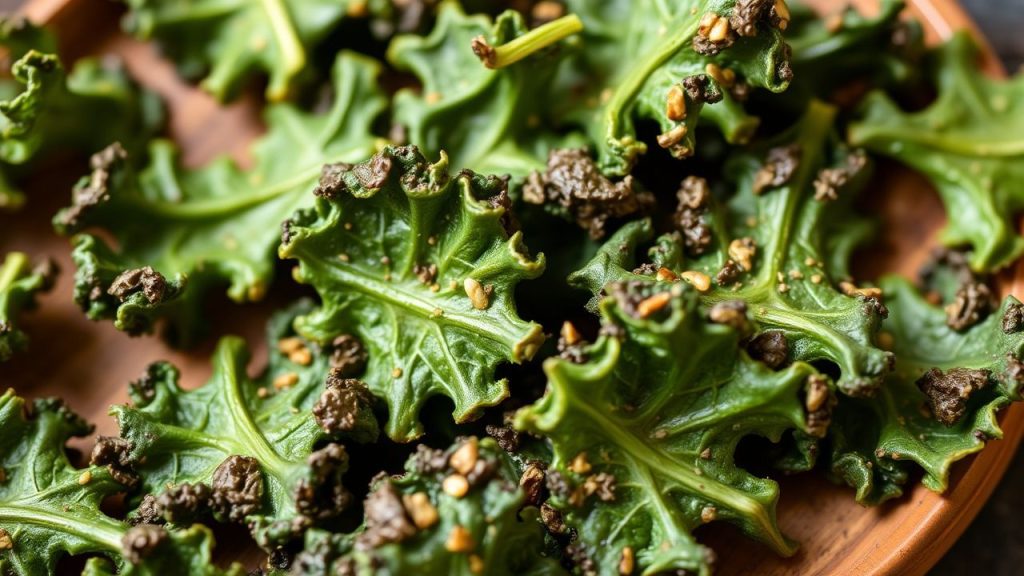
5. Set the dehydrator to 125°F (52°C) and check at the 4-hour mark. Chips are ready when they snap cleanly rather than bend; if they bend, return to the dehydrator and recheck every 20–30 minutes.
6. Remove chips with a flat spatula, cool completely on a wire rack, then store in an airtight container. Cooling prevents condensation that would ruin crispness.
Chef’s Notes: Tips for Success
Patience pays: low-and-slow drying preserves chlorophyll and vitamins while developing crispness. Resist the urge to raise heat to speed the process because that sacrifices texture and nutrients.
If chips turn chewy, extend drying time and reduce ambient humidity. If they over-crisp and shatter, shorten future drying times or pick slightly younger leaves next batch.
Serving Suggestions
Serve kale chips as a standalone snack or with dips such as hummus or herb yogurt. They also work well as a crunchy topping for grain bowls and roasted vegetables.
Garnish with lemon zest, a light dusting of grated hard cheese, or toasted seeds for textural contrast. Use chips sparingly when a delicate crunch is preferred.
Nutrition Snapshot
Kale chips concentrate nutrients per gram while adding calories when oil and salt increase. A typical 1-ounce serving provides vitamin A, vitamin K, and fiber retained from fresh kale, though exact values vary by seasoning.
To keep them nutrient-forward, limit oil and salt and prefer oils with beneficial fatty acid profiles like extra virgin olive or avocado oil. This approach preserves the health advantage over fried snacks.
Troubleshooting: Common Problems and Fixes
Problem: limp or chewy chips. Fix: ensure leaves are bone-dry before seasoning, extend drying time, and rotate trays if your dehydrator has hot spots. Small pieces dry faster, so monitor tray positions.
Problem: over-salted or bitter chips. Fix: reduce salt by 25% on the next batch and brighten flavor with a light lemon zest after drying rather than adding more salt. You can also try a mild vinegar mist after dehydration for a tangy lift.
Storage and Shelf Life
Store completely cooled chips in a sealed container with a desiccant packet if available. Keep containers in a cool, dry cupboard away from direct light to preserve texture.
Well-dried chips stay crunchy up to two weeks in typical home conditions. To re-crisp, return chips to the dehydrator at low heat for 10–15 minutes, then cool before resealing.
FAQ
How long do kale chips last once made?
If fully dehydrated and stored airtight, expect peak texture for about one to two weeks. High humidity shortens that window, so use desiccants or a cool pantry when possible.
Can I use other greens in the dehydrator?
Yes. Collard greens, Swiss chard, and beet greens dehydrate well with similar times, though leaf thickness affects duration. Adjust checks based on leaf type and thickness.
Are kale chips healthier than fried chips?
Kale chips are lower in saturated fat and retain more micronutrients when dehydrated versus fried. Still, added oils and salt change the nutrition profile, so moderate those ingredients for the healthiest outcome.
What is the ideal dehydrator temperature?
Set around 125°F (52°C) for reliable drying and nutrient preservation. Avoid sustained temperatures above 130°F to reduce nutrient degradation and charring.
How do I stop chips from tasting like oil?
Use the minimum effective oil and massage leaves briefly to spread it thinly. Alternatively, mist leaves lightly with oil from a spray bottle for the most controlled application.
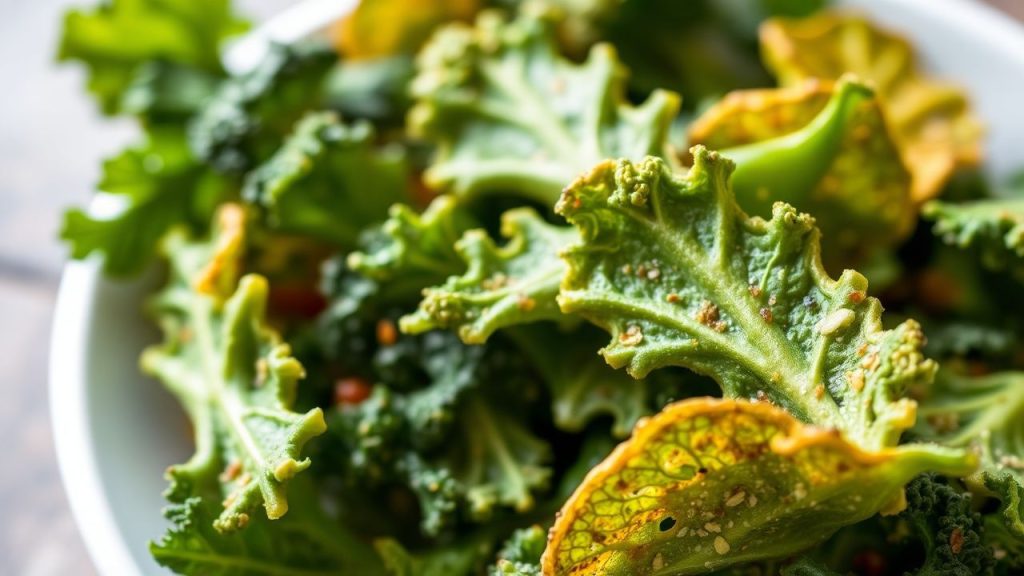
Enjoy the satisfying crunch of homemade kale chips. With modest prep and predictable drying, you can produce consistent, nutritious snacks that easily outshine many commercial alternatives.
See also: kale chips
Recommended Reading:
- Crisp & Sweet: 7 Pro Steps to Perfect Dehydrated Apple Chips
- Preserving Fresh Flavor: 7 Proven Ways to Put Up Tomatoes
- Crunchy Creations: 7-Step Homemade Granola Using a Dehydrator