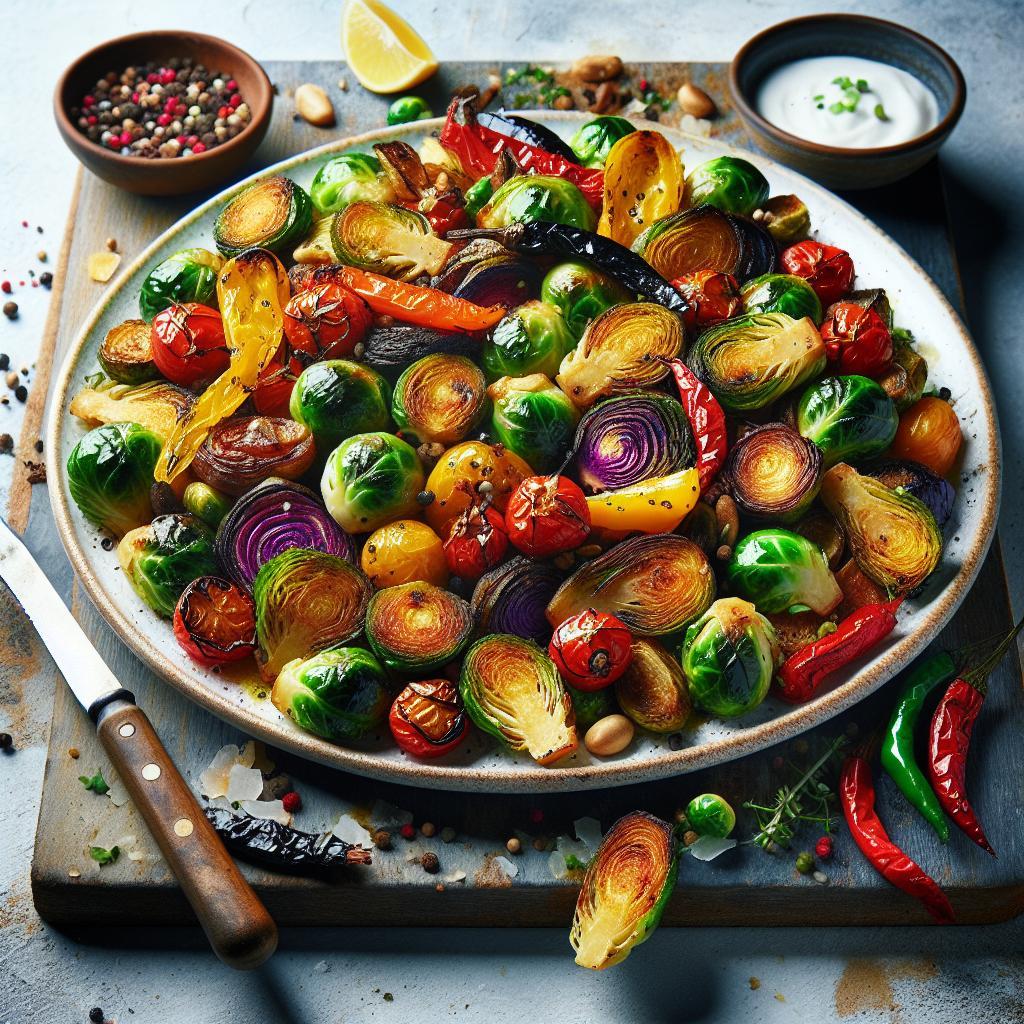

Crispy roasted Brussels sprouts turn a humble vegetable into a standout side by combining blistered, caramelized edges with a tender interior. Proper technique—temperature, spacing, and seasoning—produces reliable crispiness every time.
- High heat + single layer: key for caramelization and crunch.
- Dry, well-oiled sprouts: prevent steaming and encourage browning.
- Finish with acid or sweetener: balances roasted bitterness and elevates flavor.
Prep and Cook Time
Preparation: 10 minutes. Cooking: 20–25 minutes. Total: ~35 minutes.
These times assume an oven preheated to the recommended roasting temperature and Brussels sprouts trimmed and halved. Adjust cook time by size: larger sprouts need a few extra minutes; small ones roast faster.
Yield and Difficulty
Serves 4 as a side dish when using 1 pound of Brussels sprouts. Plan for roughly 3–4 ounces per person for a standard dinner portion, more if they are the star of the plate.
Difficulty: Easy. The technique requires simple steps but benefits from attention to spacing and heat management to deliver consistent results.
Ingredients
1 lb fresh Brussels sprouts, trimmed and halved; 3 tbsp olive oil; 1 tsp kosher salt; ½ tsp freshly ground black pepper; 1 tsp garlic powder; optional finishing: 1 tbsp balsamic vinegar, 1 tbsp honey or maple syrup, zest of 1 lemon, and 2 tbsp grated Parmesan.
Substitutions work: use avocado oil for higher smoke point or use neutral oil for a lighter finish. Choose coarse salt for better seasoning control and freshly ground pepper for aroma.
Ingredient Notes and Sources
Choose firm, compact sprouts without yellowing or soft spots. Inspect stems for discoloration and remove loose outer leaves for even roasting. For background on the vegetable, consult the Brussels sprout encyclopedia entry.
Use quality oil for flavor and smoke stability; see more about common culinary oils at olive oil. For more on how roasting changes foods chemically, see the roasting (cooking) overview.
Instructions
Step 1 — Preheat: Set the oven to 425°F (220°C). High, steady heat produces the Maillard browning and caramelization that create flavor and crisp edges.
Step 2 — Prepare: Trim stems, halve sprouts, and remove any damaged outer leaves. Pat dry thoroughly to reduce steam and improve browning.
Step 3 — Oil and Season
Toss sprouts in a roomy bowl with oil, salt, pepper, and garlic powder until evenly coated. Use enough oil to shine each surface but not so much that pieces swim; excess oil inhibits crisping.
Spread the sprouts cut-side down on a rimmed baking sheet in a single layer. Avoid overcrowding to maintain dry heat and airflow; use two pans if necessary.
Step 4 — Roast and Finish
Roast for 20–25 minutes, turning once halfway through to promote even color. Look for deep golden-brown on outer leaves and slightly blackened tips for concentrated flavor.
Remove from oven and immediately toss with balsamic vinegar and honey or maple syrup if using. Finish with lemon zest and Parmesan for contrast, then serve hot.
Science of Roasting
Roasting delivers two chemical processes that define the flavor: the Maillard reaction and caramelization. Both occur at elevated temperatures and concentrate sugars and amino acids into complex, savory notes.
Proper surface dehydration is critical. When sprouts are dry and exposed to hot, dry air, sugars concentrate at the exposed cut edge and brown rather than steam. That browning creates the signature nutty, slightly sweet profile.
For texture contrast, reserve a handful of outer leaves and roast them separately—thin leaves crisp faster and add a chip-like finish. Additionally, finishing with an acid brightens flavors and balances the sweetness produced during roasting.
Tips for Success
Dry thoroughly: After rinsing, spin or pat dry. Any residual moisture turns to steam and prevents crisp edges from forming. This step dramatically improves results.
Space them out: Give sprouts breathing room on the sheet pan. When pieces touch, they trap moisture and roast unevenly. Use two pans rather than crowding one.
Seasoning and Timing
Season early so salt can draw a little moisture and enhance sweetness. However, add delicate garnishes like lemon zest and Parmesan post-roast to preserve their aroma and texture.
Adjust cooking time based on size. Medium-sized halved sprouts need roughly 20–25 minutes in a 425°F oven; very large ones may require 25–30 minutes. Flip once midway for balanced coloring.
Serving Suggestions
Serve roasted Brussels sprouts as a classic side alongside roasted meats, grilled fish, or grain bowls. They pair well with apples, pears, citrus, toasted nuts, and tangy cheeses.
For a composed dish, toss warm sprouts with toasted walnuts, a splash of vinegar, and shaved hard cheese. For a holiday variation, fold in dried cranberries or pomegranate seeds to add color and a sweet-tart counterpoint.
Nutrition and Storage
A standard serving (about ¾ cup) provides a modest calorie count and a good source of vitamins and fiber. Roasting with modest oil keeps fat levels reasonable while preserving micronutrients.
Store leftovers in an airtight container for up to 3 days. Recrisp in a preheated 400°F oven for 5–8 minutes, or use a hot skillet to revive texture. Avoid microwaving, which softens them rapidly.
| Nutrient | Per Serving |
|---|---|
| Calories | 150 kcal |
| Protein | 5 g |
| Carbohydrates | 12 g |
| Fat | 9 g |
Practical Variations
For a spicy accent, toss sprouts with smoked paprika or chili flakes before roasting. For an umami finish, add a sprinkle of nutritional yeast or shaved aged cheese post-roast.
For vegan-sweet contrast, finish with maple syrup and lemon instead of honey and Parmesan. For a smoky profile, finish with a dash of smoked salt or a light brush of rendered bacon for non-vegetarian menus.
FAQ
How do I stop Brussels sprouts from being bitter?
Trim the stem and remove loose leaves, then roast at high heat to concentrate sugars and reduce bitterness. Adding a bit of acid, such as lemon zest or vinegar, brightens flavors and balances any residual bitterness.
Can I roast frozen Brussels sprouts?
Frozen sprouts work but will release more moisture. Thaw and pat dry first, or expect a longer roast time and slightly softer texture. For best crispness, use fresh when possible.
What oven temperature gives the best results?
425°F (220°C) yields reliable browning without excessive charring. If your oven runs hot, reduce to 400°F and extend time by a few minutes while monitoring color closely.
How do I reheat leftovers without losing crispiness?
Reheat in a 400°F oven or in a hot skillet for 5–8 minutes to restore crisp edges. Avoid the microwave for reheating when texture matters.
Are roasted Brussels sprouts keto-friendly?
Yes. When prepared with low-carb sweeteners or none at all, roasted Brussels sprouts fit well into a low-carb or ketogenic diet due to their low net carb content and favorable fiber levels.
For readers who want to explore the chemical reactions in more depth, the linked resources above offer concise technical explanations of browning and carbohydrate behavior under heat.

See also: Brussels sprouts