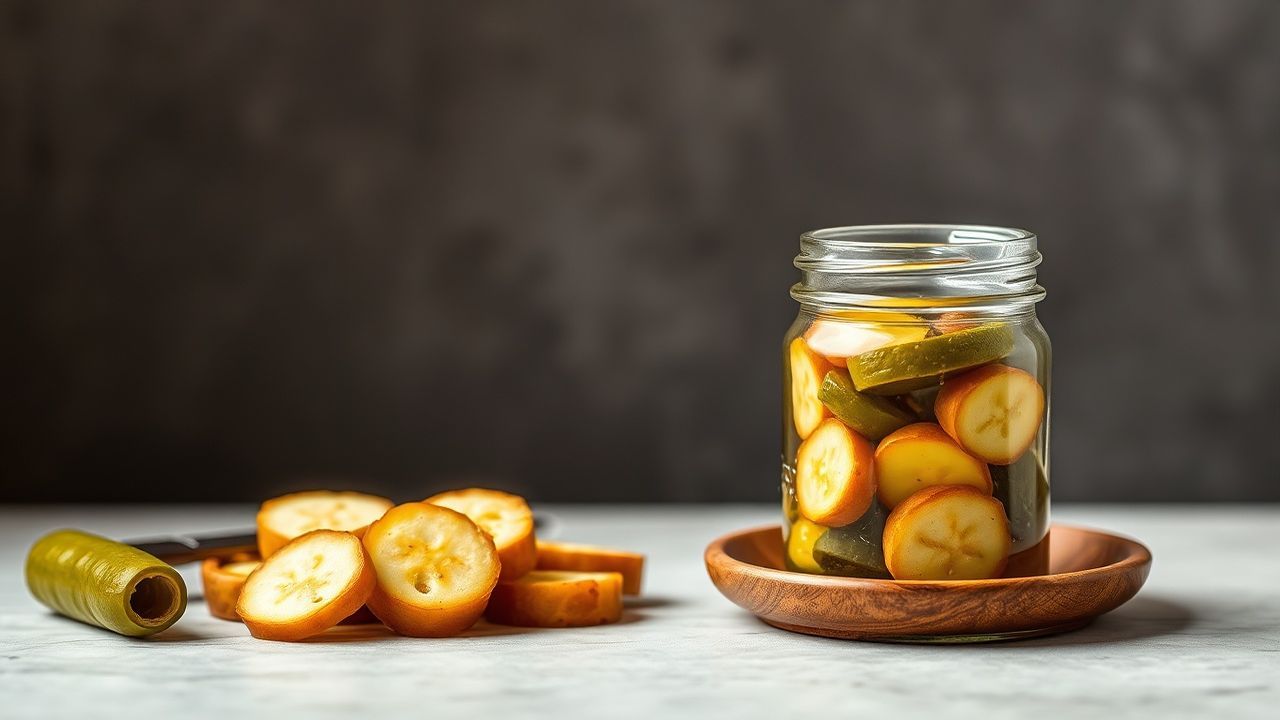

Bread pickles deliver that crisp, sweet-tang every sandwich and picnic needs. This 7-step method locks in crunch, balances sugar and vinegar, and gives predictable results whether you refrigerate jars or use a water-bath for shelf storage.
- Quick payoff: Refrigerated bread pickles develop pleasing flavor in 24–48 hours.
- Crunch strategy: Use firm pickling cucumbers and a brief salt draw to retain snap.
- Balance: Granulated sugar, vinegar, and mustard seeds create the classic bread-and-butter profile.
Overview and Why This Bread Pickles Recipe Works
This recipe focuses on texture control and flavor balance so your bread pickles stay crunchy and bright. The approach adapts traditional Southern ratios while allowing pantry substitutions without sacrificing quality.
The technique pairs a short salting step with a hot sweet-and-tang brine and refrigerated resting to meld flavors. For background on the preservation principle behind acid pickling, see pickling.
Prep and Timing for Reliable Bread Pickles
Active prep time: about 25 minutes. Rinse and slice cucumbers uniformly so brine contact is even and texture stays consistent. Clean tools and jars first to reduce risk of spoilage.
Processing: Simmer the brine 10–15 minutes, cool slightly, then pour over packed jars. Refrigerated bread pickles taste good in 24–48 hours, and best after 3–7 days when flavors meld more fully.
Yield and Difficulty for This Bread Pickles Batch
This recipe yields roughly 6 cups of bread pickles, enough for several sandwiches or to share. You can scale ingredients linearly for larger batches while keeping ratios intact.
Difficulty rates as Easy–Medium. The key technical steps are controlling vinegar acidity and ensuring good jar sanitation. For pantry-stable jars, use validated water-bath canning procedures described in sources such as canning (food preservation).
Key Ingredients That Elevate Homemade Bread Pickles
Pick small, firm pickling cucumbers for the best snap; they contain less water and fewer seeds than large slicing types. See the crop basics on cucumber for why immature fruit works well for pickles.
Essentials: fresh cucumbers, 5% white vinegar, granulated sugar, pickling salt, yellow mustard seeds, turmeric, celery seed, and onion. Each plays a clear role: sugar for sweet balance, vinegar for acidity and preservation, and spices for aroma and color.
Spice and Acid Roles in Bread Pickles
Mustard seeds contribute aromatic heat and the classic profile that defines bread pickles. For background on the condiment and its seeds, consult mustard (condiment).
Vinegar supplies the acid that preserves and brightens flavor; use 5% acidity vinegar for predictable results. If you substitute vinegars, adjust taste cautiously and keep acidity consistent to maintain safety and texture. See vinegar for common types and acidity notes.
Step-by-Step Guide to Crafting Classic Bread Pickles
Follow a clear sequence: slice, salt, rinse, brine, pack, seal, and chill. Each step preserves texture and balances sugar, salt, and acid so the final bread pickles snap and sing.
If you plan to process jars for pantry storage, follow validated water-bath canning times and methods. When in doubt, refrigerate jars to control safety and quality.
1. Prepare the Vegetables
Rinse cucumbers and trim the blossom ends. Slice to uniform thickness—about 1/8 to 1/4 inch—so every piece absorbs brine at the same rate and yields consistent crunch.
Thinly slice one medium onion and combine with the cucumbers in a wide bowl. Handle gently to avoid bruising, which can cause soft spots in the finished bread pickles.
2. Salt the Vegetables
Toss cucumber and onion slices with 1 tablespoon pickling salt and let sit 45–60 minutes. Salt draws moisture and firms the flesh through osmotic action, helping final bread pickles remain crisp.
Rinse well under cold running water to remove excess salt, then drain and pat dry. Removing surface salt prevents diluting the brine and keeps the balance of flavors tight.
3. Make and Use the Brine
Combine sugar, white vinegar (5% acidity), mustard seeds, turmeric, and celery seed in a saucepan. Heat to a gentle simmer until the sugar dissolves, which blooms spices and melds sweet and tang components for classic bread pickles.
Pack drained cucumbers and onions into clean jars, then pour hot brine over them so the vegetables sit fully submerged. Tap jars to release trapped air bubbles and leave about 1/2 inch headspace.
4. Seal, Cool, and Chill Your Bread Pickles
Wipe rims clean, secure lids, and let jars cool to room temperature. Transfer jars to the refrigerator for short-term storage, unless you are following a validated water-bath canning schedule for shelf stability.
Refrigerated bread pickles reach a good flavor point in 24–48 hours, and they continue to deepen over 3–7 days. Keep jars fully submerged in brine to maximize shelf life and texture.
Expert Tips for Storing and Serving Bread Pickles
Short-term storage: Keep refrigerated bread pickles sealed and submerged in brine. When stored cold, they stay fresh for up to four weeks with minimal softening.
Long-term options: Use a verified water-bath canning method for pantry-stable jars and follow tested processing times exactly. Proper technique prevents spoilage and off-flavors in preserved bread pickles.
Serve bread pickles chilled. They cut through rich foods and refresh the palate, so pair them with grilled meats, creamy salads, and classic deli sandwiches.
Chef’s Notes and Variations for Bread Pickles
To reduce sweetness in bread pickles, decrease sugar by 1/4 cup increments and test a small jar before scaling the change. Sugar affects mouthfeel and helps balance acidity but can be dialed back to preference.
Swap white vinegar for apple cider vinegar for a fruitier acid profile. Add fresh jalapeño or crushed red pepper for heat, or a sprig of dill to nudge the flavor toward dill-style pickles while keeping the bread pickles identity intact.
Serving Suggestions for Bread Pickles
Slice bread pickles into rounds for sandwiches or into spears for snacking and boards. Chop and fold into potato salad or coleslaw to add tang and bright texture.
Garnish with cracked black pepper or fresh herbs at service time to add aroma and contrast. The acidity in bread pickles balances fatty ingredients and refreshes each bite.
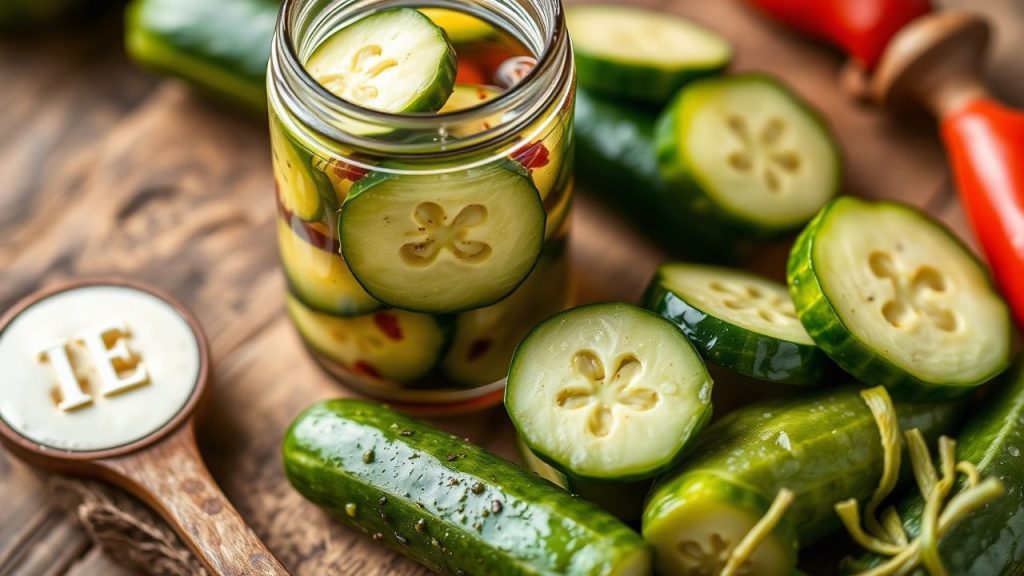
| Nutrient | Per 2 Tbsp Serving |
|---|---|
| Calories | 30 |
| Protein | 0.3g |
| Carbohydrates | 8g |
| Fat | 0g |
Sources and Further Reading
For technical context on preservation chemistry and tested canning practices, consult reliable references. Below are brief, focused links that explain why acidity and technique matter for bread pickles.
Background resources include pickling, vinegar, and canning (food preservation). These pages summarize the science behind safe preservation and common variables to watch while producing bread pickles.
FAQ
How long before I can eat these bread pickles?
Refrigerated bread pickles become edible within 24–48 hours, but they taste best after 3–7 days as the brine penetrates fully. Short resting gives a quick snack; longer resting yields deeper, balanced flavor.
If you process jars for pantry storage, allow one month of shelf rest for full mellowing after proper water-bath canning and cooling.
Which cucumbers should I use for bread pickles?
Pickling cucumbers work best because they are smaller, firmer, and have fewer seeds than large slicing cucumbers. That structure helps maintain crunch in finished bread pickles.
Discard soft or blemished fruit. Freshness at the start of the process equals better texture and fewer off-flavors in the jar.
Can I reduce the sugar in bread pickles?
Yes. Lower sugar in 1/4 cup increments and test a small jar to confirm balance. Sugar contributes to mouthfeel and balances acidity, so reduce gradually and taste as you go.
For significant sugar reduction, work in small batches to find the right balance for your palate before scaling up.
What if I want spicy bread pickles?
Add sliced jalapeño or a pinch of crushed red pepper to the brine for heat. Start conservatively because heat intensifies over time as the brine infuses the vegetables.
Remember that adding fresh peppers can slightly alter brine chemistry; refrigerate those jars and taste after a few days to judge the final heat and flavor balance.
Are there reliable references for safe canning of bread pickles?
Yes. Use validated canning guides and USDA-style tables for processing times when you intend to store jars outside refrigeration. Follow tested recipes exactly for safety and reliability.
When uncertain, refrigerate jars and consume within four weeks. Safety depends on correct acidity, sanitation, and processing.
See also: bread pickles | CookHarvest home
Recommended Reading:
- Crunchy & Sweet: 7-Step Ultimate Bread Pickles Recipe
- Tangy Twist: How to Make Perfect Homemade Pickled Eggs
- Unlock Gut Health: Creative Ways to Add Fermented Foods