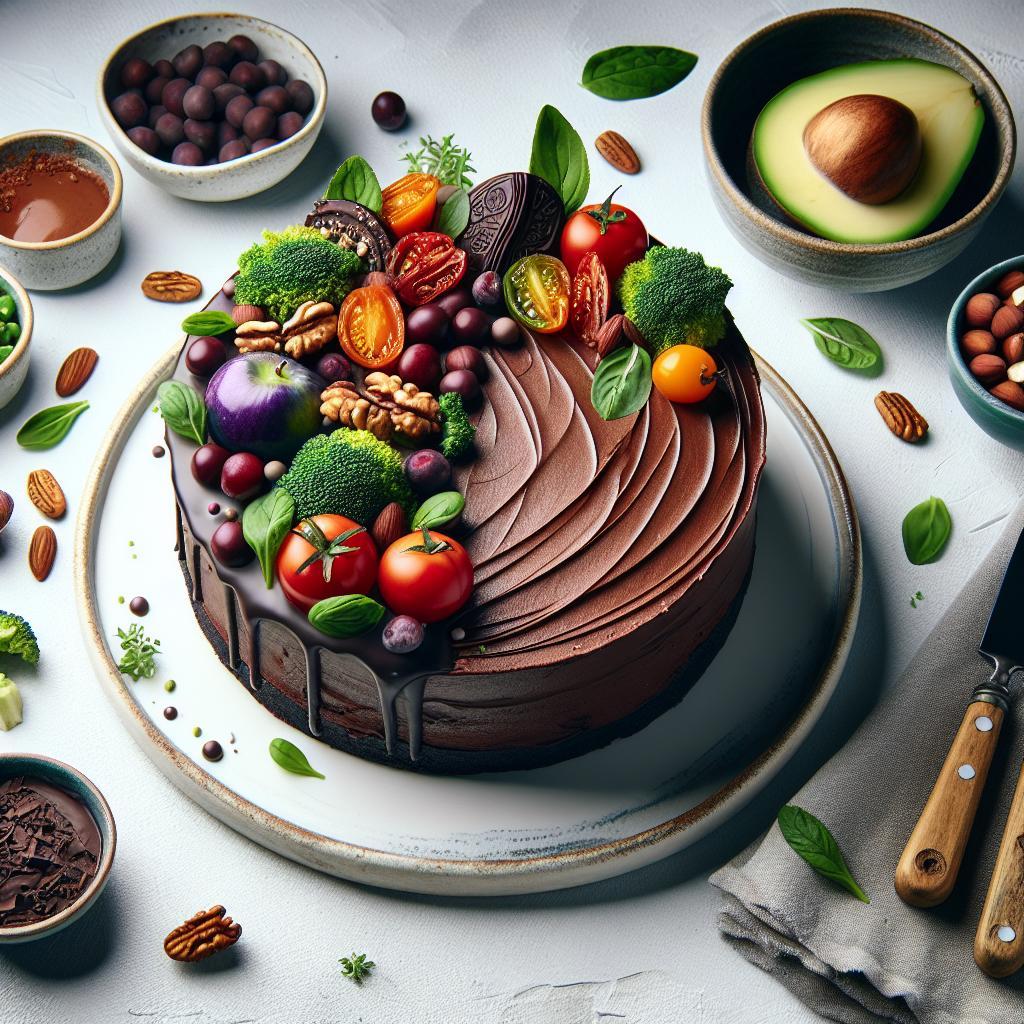

Imagine sinking your fork into a slice of rich, moist vegan cake — velvety layers that melt on the tongue while remaining 100% plant-based. This recipe delivers deep cocoa flavor and a tender crumb using targeted technique and ingredient swaps so you keep the indulgence without dairy or eggs.
- Ultra-moist crumb from aquafaba and warm almond milk acidified with vinegar.
- Flavor depth by using brewed coffee and high-quality cocoa.
- Texture control to avoid overmixing and preserve oven spring.
- Frosting options that stay dairy-free and glossy.
What defines this vegan cake
This vegan cake focuses on precise texture and balanced flavor. It pairs aquafaba-driven aeration with an acidified plant milk reaction for predictable rise.
The formula uses oil for tenderness and coffee to amplify cocoa without imparting a coffee taste. For quick reading on the movement behind plant-based cooking see veganism.
Prep and Cook Time for this vegan cake
Preparation: 15 minutes. Warm the plant milk to help bloom cocoa and activate the vinegar reaction. Warm milk also reduces batter chill so the cake springs in the oven.
Baking: 35–40 minutes. Check early and use a toothpick to test doneness. Cooling: 30 minutes before frosting so the crumb stabilizes and moisture redistributes.
Yield for this vegan cake
This batch yields 10 generous slices from two 8-inch pans. Expect slightly different yields with alternative pan sizes and thinner slices when serving a crowd.
If you halve or double the recipe keep the same mixing order and check bake time often, as volume changes affect oven heat transfer and bake profile.
Difficulty Level: baking this vegan cake
Medium. Technique matters more than obscure ingredients; the steps require attention to folding and temperature control but no advanced skills. Accurate measurement and gentle mixing carry the process.
Anyone comfortable with timing, whipping aquafaba, and monitoring oven temperature can succeed. Focus on gentle folding and consistent oven heat for repeatable results.
Ingredients for the vegan cake
Below are pantry-friendly, plant-based ingredients chosen to replicate the richness of a traditional chocolate cake. Each ingredient has a functional role: cocoa for flavor, aquafaba for aeration, and acidified milk for leavening.
Use high-quality unsweetened cocoa for best results; learn more about cocoa chemistry at Cocoa. Swap refined oil for refined coconut if you want a hint of tropical aroma.
- 1 ¾ cups all-purpose flour, sifted
- ¾ cup unsweetened cocoa powder
- 1 ½ tsp baking soda
- ½ tsp baking powder
- ½ tsp fine sea salt
- 1 ½ cups cane sugar or coconut sugar
- 1 cup warm unsweetened almond or oat milk
- 1 tbsp apple cider vinegar
- ½ cup melted refined coconut or avocado oil
- 2 tsp pure vanilla extract
- ¾ cup brewed strong coffee (optional)
- ½ cup aquafaba, whipped until frothy
Instructions for the vegan cake
Step 1: Preheat oven to 350°F (175°C). Grease two 8-inch round pans and line with parchment for an easy release. Proper preheating ensures predictable oven spring.
Step 2: Whisk flour, cocoa, baking soda, baking powder, salt, and sugar until evenly aerated. Sifting prevents lumps and promotes even rise during baking.
Step 3: Combine warm almond milk with apple cider vinegar and let rest five minutes to create a plant-based “buttermilk.” Stir in melted oil, vanilla, and brewed coffee; mix until uniform.
Step 4: Pour wet into dry and fold gently until just combined. Stop when streaks of flour disappear to preserve tenderness and avoid gluten overdevelopment.
Step 5: Fold in whipped aquafaba with care to retain trapped air. Divide batter evenly and bake 35–40 minutes or until a toothpick comes out clean but the center springs back slightly.
Step 6: Cool in pans 10 minutes before turning onto wire racks to finish cooling. Frost only when layers reach room temperature to prevent runny frosting.
Chef’s Notes and Tips for success with vegan cake
Moisture management: Aquafaba acts as an egg replacer and adds lift when whipped to soft peaks. Warm milk and immediate baking boost oven spring and set crumb structure.
Use refined oils for a neutral flavor or coconut oil for a touch of richness. If substituting gluten-free flour, add an extra teaspoon of baking powder and consider a binder like xanthan gum.
Chill pans slightly if your batter rises too fast on the edges; temperature control affects uniform crumb. For consistent results rotate pans halfway through the bake and avoid opening the oven early.
Creative frosting and topping ideas for vegan cake
Choose frostings that complement the cake’s deep cocoa without masking texture. Aim for a balance of fat, sweetness, and body to match the cake’s crumb density.
Options: whipped coconut cream, avocado chocolate mousse, cashew cream cheese, or a coconut-cream ganache. Each yields different mouthfeel and presentation.
- Whipped Coconut Cream: Chill full-fat coconut milk, scoop solids, and whip with powdered sugar and vanilla.
- Avocado Chocolate Mousse: Blend ripe avocado, cacao, and maple syrup for a creamy, nutrient-dense topping.
- Cashew Cream Cheese: Soak cashews and blend with lemon and sweetener for a tangy finish.
- Ganache: Heat coconut cream and whisk in chopped dark vegan chocolate for a glossy coat.
Serving suggestions for vegan cake
Serve slices slightly chilled or at room temperature to amplify flavor. Add fresh berries or a tart coulis to contrast the chocolate and cut through sweetness.
Pair with robust espresso or a spiced tea for balance. For celebrations, top with toasted nuts and edible flowers for texture and visual appeal.
Storage and make-ahead for this vegan cake
Store unfrosted layers wrapped tightly at room temperature for up to 3 days or refrigerate for up to a week. Frosted cake keeps best chilled in an airtight container to maintain frosting stability.
For long-term storage freeze unfrosted layers wrapped in plastic and foil for up to 3 months. Thaw completely before applying frosting to prevent condensation and weeping.
Nutrition snapshot for the vegan cake
This cake provides a satisfying dessert portion while allowing room for nutrient-dense tweaks like almond meal or ground flaxseed. Exact values vary by brand and substitutions.
Sample per-slice estimate: ~310 kcal, 5 g protein, 45 g carbs, and 12 g fat. Adjust portion size and sweetener choices to control calorie impact and glycemic load.
Resources and further reading for vegan cake chemistry
For baking science on foams and emulsions consult the baking entry at Baking. Understanding chemical leavening helps you troubleshoot rise and texture.
Read the chocolate technical entry at Chocolate to learn how cocoa solids and fat interact. For aquafaba properties see Aquafaba.
Related reading and internal resources: find more plant-based recipes on our Vegan Recipes hub and advanced technique notes on our Baking Tips center.
FAQ
Can I replace aquafaba with flax or chia egg?
Yes. A flax or chia “egg” (1 tbsp ground seed + 3 tbsp water) provides binding but yields a denser crumb than whipped aquafaba. Use if you prefer simpler pantry swaps.
Does brewed coffee change the chocolate flavor?
Yes. Coffee amplifies chocolate notes without making the cake taste like coffee when used moderately. It increases perceived cocoa richness and rounds bitter notes.
How do I make a gluten-free vegan cake?
Use a tested 1:1 gluten-free flour blend and add an extra teaspoon of baking powder. Include xanthan gum if the blend lacks structure to reduce crumbliness.
Which sweeteners lower glycemic impact?
Maple syrup and coconut sugar have lower glycemic responses than refined white sugar and add nuanced flavor. When using liquid sweeteners adjust liquid ratios to maintain batter consistency.
Can I make this vegan cake oil-free?
You can reduce oil using applesauce or mashed banana, but expect a firmer chew and reduced richness. Keep a small amount of fat for classic mouthfeel if you want full decadence.
See also: vegan cake