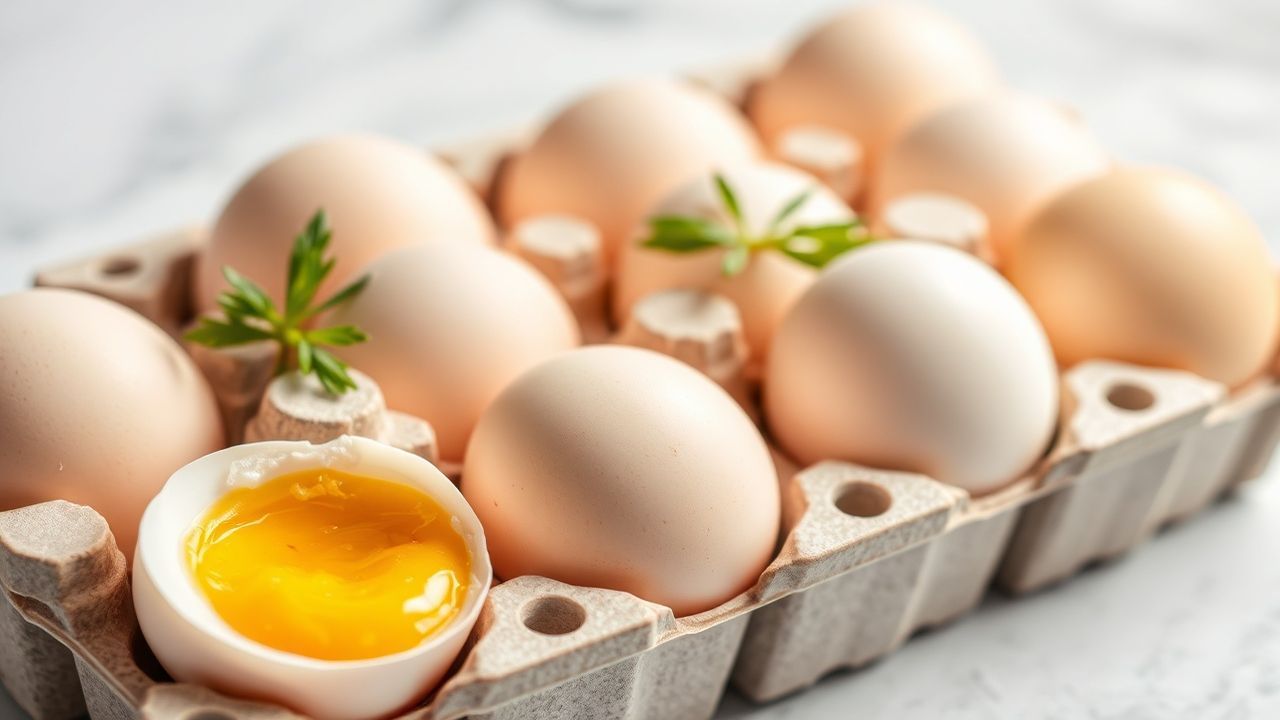

Fresh eggs unlock an unusually wide range of culinary and household uses. Treat them as a pantry cornerstone: they add structure, silkiness, protein, and simple elegance to many preparations.
- High-impact versatility: eggs bind, emulsify, leaven, and glaze across savory and sweet dishes.
- Waste reduction: a small number of eggs can revive leftovers into full meals like frittatas and baked custards.
- Simple preservation: pickle, freeze, or cure yolks to stretch surplus without losing quality.
- DIY uses: eggshells and whites find roles outside the kitchen, from compost to natural cleaners.
Rustic Mediterranean Egg & Herb Frittata Bake
This layered frittata highlights how fresh eggs take center stage in a simple bake. It relies on basic techniques—sweating vegetables, whisking eggs with a liquid, and finishing in the oven for a tender set.
The dish pairs the richness of whole eggs with bright herbs and tomatoes. For background on this style of egg dish, see frittata.
Prep and Cook Time
- Preparation: 15 minutes
- Cooking: 35 minutes
- Total: 50 minutes
Yield
- 6 generous servings
Difficulty Level
- Medium
Ingredients
- 8 large fresh eggs, room temperature
- 1 cup whole milk or cream
- 1 small red onion, thinly sliced
- 1 cup cherry tomatoes, halved
- 1 cup baby spinach, roughly chopped
- ½ cup crumbled feta cheese
- 2 tbsp fresh parsley, finely chopped
- 1 tbsp fresh oregano leaves, chopped
- 3 garlic cloves, minced
- 2 tbsp extra virgin olive oil
- Salt and freshly ground black pepper, to taste
- ½ tsp smoked paprika (optional)
Instructions
- Preheat oven to 375°F (190°C) and grease a 9-inch ovenproof skillet or baking dish.
- Heat olive oil in the skillet over medium heat. Sauté onions and garlic until translucent, about 5 minutes.
- Add tomatoes and spinach; cook until spinach wilts and tomatoes soften, 3–4 minutes. Remove from heat.
- Whisk eggs, milk, salt, pepper, and smoked paprika until smooth. Stir in parsley, oregano, and feta.
- Pour egg mixture over the vegetables and gently distribute. Transfer to oven and bake uncovered for 25–30 minutes.
- Remove when edges are set and center remains slightly jiggly. Rest 5 minutes, then slice and serve.
Tips for Success
Use room-temperature eggs for improved emulsification and a lighter texture. Cold eggs can seize the batter and reduce lift.
Swap milk for heavy cream if you want extra richness. To customize, add roasted red peppers, cooked mushrooms, or a handful of grated hard cheese.
Make ahead by preparing the frittata the night before and refrigerating. Reheat gently to preserve moisture and texture.
Serving Suggestions
Serve warm with a crisp green salad dressed with lemon vinaigrette to offset the bake’s richness. Pair slices with rustic whole-grain toast for a full meal.
Garnish with a dollop of herbed yogurt or avocado salsa for color, acid, and creaminess. These contrasts keep the eggs tasting vibrant.
Practical Ways to Use Surplus Eggs
When eggs accumulate, prioritize high-value uses that preserve texture and flavor. Think beyond frying: custards, pickled eggs, mayonnaise, and frozen preparations all extend utility.
Eggs function chemically as emulsifiers, thickeners, and structure builders. For a technical primer on eggs as an ingredient, consult egg (food).
Simple Batch Recipes
Make grab-and-go portions like savory egg muffins or crustless quiches. Eggs bind leftovers and yield portable meals that store well for several days in the refrigerator.
Stir whisked eggs into leftover rice with vegetables for a quick fried-rice-style skillet. That technique stretches ingredients and adds balanced protein.
Preservation Options
Pickling is a low-tech preservation method that imparts flavor and extends the life of hard-boiled eggs. For method context, see pickling.
Freeze beaten eggs in measured portions to save future baking or scrambles. Separate yolks and whites if you need them for specific recipes like meringues or custards.
Mayonnaise and emulsified sauces are another preservation-adjacent tactic: convert many eggs into jars of flavored mayo to use as condiments. For the science behind emulsions, read mayonnaise.
Batch-make flavored mayonnaise, label jars with date and ingredients, and rotate use within a couple of weeks for best quality. Acid and refrigeration extend usability and flavor stability.
Creative Culinary Applications
Apply eggs where they improve texture and mouthfeel. Custards and crème brûlée showcase yolks’ ability to thicken without flour or starch, offering an elegant dessert or savory flan.
Use egg whites for foam and structure: from angel food cake to a glossy meringue finish. Whites lend volume with minimal fat.
Sweet and Savory Bakes
Make individual custard tarts for portable desserts or savory custards that incorporate cheese and herbs for brunch. Custard-based bakes scale easily and reheat well.
Layered egg bakes concentrate flavor: roast vegetables first, then pour in egg custard to finish in the oven. The result slices cleanly and stores for quick lunches.
Eggs in Sauces and Dressings
Use egg yolks to enrich hollandaise, aioli, and mayonnaise-style dressings. Yolks add shine and mouth-coating texture that lift simple greens or roasted veg.
When making raw-emulsion sauces, control temperature and acidity. Work with a whisk or immersion blender and add oil slowly to maintain a stable emulsion.
Non-Culinary Uses
Egg whites appear in some historical and contemporary cosmetic recipes as firming masks. Use caution and patch-test to check for sensitivities.
Crushed eggshells make a calcium-rich amendment for compost or garden beds. Rinse, dry, and crush before adding to soil to avoid odors and pests; read about shell structure at egg shell.
Nutritional Snapshot
Eggs pack concentrated nutrition: complete proteins, essential amino acids, fat-soluble vitamins, and key minerals. A balanced approach makes them an efficient protein source.
Adjust preparation to your nutrition goals: poached eggs limit added fat, while custards and bakes increase calories through dairy and oils. Portion control and ingredient swaps tailor results.
| Nutrient | Per Serving |
|---|---|
| Calories | 220 kcal |
| Protein | 14 g |
| Carbohydrates | 6 g |
| Fat | 14 g |
To Conclude
Fresh eggs deserve a strategic place in the kitchen: they rescue leftovers, enable elegant desserts, and expand pantry options with simple preservation. Use basic techniques—whisking, emulsifying, curing—to multiply their value.
Keep a rotation of batch recipes, preservation methods, and quick preparations to make the most of every carton. For more recipe ideas and seasonal takes, browse our recipes and the Fresh Eggs tag on CookHarvest.
Use the [WARNING] block above as a reminder: safe handling prevents spoilage and foodborne issues. Apply cooling, refrigeration, and sensible labeling when preserving eggs.
See also: Fresh Eggs
FAQ
Q: Can I freeze whole eggs?
Yes. Beat whole eggs lightly, pour into airtight containers or portioned freezer bags, and label with date. Use within a few months for best texture.
For recipes requiring separated whites or yolks, freeze them separately. Yolks may need a pinch of salt or sugar to prevent gelatinization depending on intended use.
Q: How long do pickled eggs last?
Properly refrigerated pickled eggs typically keep several weeks. High-acid brines extend shelf life and inhibit bacterial growth when jars are kept chilled.
Always use clean utensils when retrieving eggs from the jar to prevent contamination and discard if brine becomes cloudy or off-smelling.
Q: Can I use leftover raw egg yolks?
Yes. Save yolks for custards, crème brûlée, or yolk cures. You can also dehydrate or salt-cure yolks to create concentrated flavor nuggets for grating.
Store yolks in an airtight container with a little salt and use within a few days, or freeze for longer storage with clear labeling.
Q: Are farm-fresh eggs different for preservation?
Eggs from small flocks sometimes lack a commercial wash, which affects the natural cuticle. Washed eggs require refrigeration; unwashed eggs may last longer at cool room temperature but refrigeration still improves safety.
Follow local regulations and recommended storage for eggs you collect yourself to manage spoilage and food-safety risk.
Q: What simple swaps reduce calories in egg dishes?
Use water or low-fat milk instead of cream, or swap whole eggs for a mix of whole eggs and egg whites to cut fat while preserving structure. Bake rather than fry when possible.
In bakes, reduce added cheese or use reduced-fat varieties and boost flavor with herbs and spices rather than extra oil.