
Fermentation and pickling both deliver tang and crunch, yet they rely on different chemistry and produce distinct results. Fermentation uses live microbes to transform sugars over time, while pickling typically applies acid for immediate preservation and flavor.
- Fermentation generates live cultures and evolving depth of flavor.
- Pickling uses added acid for fast, predictable tang and texture.
- Texture, shelf life, nutritional profile, and safety considerations differ between methods.
- Mastering both techniques expands home-preservation choices.
Fundamental Concepts
Fermentation is a biochemical process where microorganisms convert sugars into acids, gas, or alcohol while producing complex flavor compounds. See the core science at fermentation for a concise overview.
Pickling refers to preserving food in an acidic medium or a salt brine that suppresses spoilage organisms and halts enzyme activity. For background on the culinary and historical practice, consult pickling.
How the Microbes and Chemistry Differ
In lactic acid fermentation, native bacteria (primarily Lactobacillus species) consume sugars and produce lactic acid, which lowers pH and preserves the vegetable. Technical details are summarized at lactic acid fermentation.
By contrast, quick pickling adds acetic acid (vinegar) or a high-acid brine that achieves preservation instantly by lowering pH and creating an inhospitable environment for pathogens. The acid profile offers predictable stability and a different flavor footprint than microbial fermentation.
Prep and Cook Time
Ferments require short active prep—washing, slicing, salting and packing—then days to weeks at controlled temperature while microbes work. Expect active fermentation to run three to fourteen days for many vegetable ferments, with longer aging possible for deeper complexity.
Quick pickles finish faster because hot vinegar brine or cold acidified brine stabilizes the food rapidly. Most quick pickles develop good flavor within 24 to 48 hours in the refrigerator and remain crunchy when stored cold.
Yield and Volume Changes
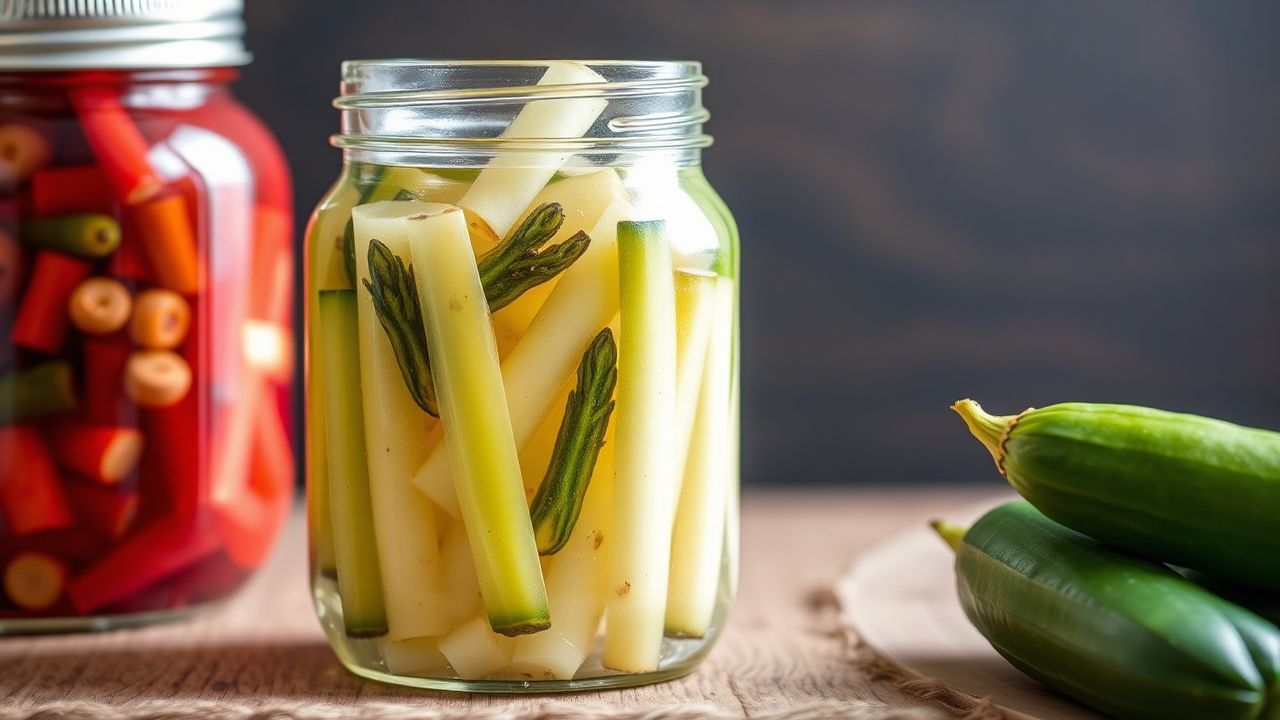
Your jar yield depends on cut and packing density: spears pack differently from rounds and will change the final cup count. Vegetables lose water during fermentation and brining, so final volume often shrinks slightly compared with raw weight.
Label jars with date and expected use window to track peak flavor and texture. For consistent yield, weigh ingredients and record jar fill levels across batches.
Difficulty Level and Safety
Quick pickling rates easy for beginners because vinegar and refrigeration control the main safety variables. You measure acidity and store cold, which minimizes surprises and makes results repeatable.
Fermentation demands attention to salt ratio, full submersion, jar hygiene, and temperature control to favor beneficial microbes and discourage spoilage. With simple rules—clean equipment, 2% salt baseline, and anaerobic submersion—ferments are reliable and safe.
Ingredients: What Changes the Outcome
Core ingredients remain simple: fresh cucumbers or other vegetables, non-iodized salt for brines, and vinegar for quick pickles. Use fresh produce and filtered water to avoid chlorine that can slow fermentation microbes.
Optional aromatics—garlic, dill, mustard seed, peppercorn—shape the final profile significantly. Adjust spice levels gradually and keep a batch log to reproduce favored combinations.
Step-By-Step Instructions
Prepare cucumbers by rinsing, trimming ends, and cutting to consistent sizes for even brining or fermentation. Consistent cuts help regulate surface-area-to-volume ratio, which influences flavor extraction and salt penetration.
For fermentation: dissolve salt in water to create a roughly 2% brine by weight, pack vegetables with aromatics, submerge under brine, and use a weight to keep produce anaerobic. For quick pickles: heat vinegar with sugar and salt, pour the hot brine over packed jars, cool, then refrigerate.
Monitoring Ferments and Pickles
Taste ferments from day three and then daily until you reach the acidity and texture you prefer. Record tasting notes for temperature, salt ratio, and jar type to refine future batches.
Quick pickles require minimal monitoring beyond cooling and refrigeration. Check texture after 24–48 hours and plan to consume within the recommended refrigerator window for peak crunch.
Tips for Success
Cleanliness matters: wash hands, sanitize jars, and work on a clean surface to reduce the chance of unwanted microbes. That said, you do not need sterile conditions—good hygiene suffices for home fermentation.
Keep vegetables fully submerged during fermentation; air exposure invites mold while anaerobic conditions favor lactic acid bacteria. Use a fermentation weight or a smaller jar inside the packing jar to maintain submersion.
Weigh salt when possible: a 2% salt solution by weight is a reliable baseline for many vegetable ferments. Filtered water and non-iodized salt reduce off-flavors and microbial inhibition.
Serving Suggestions
Fermented pickles provide probiotic crunch and complex, tangy notes that pair well with rich or smoky foods. Use them on sandwiches, grain bowls, or alongside cured meats to add depth and brightness.
Quick pickles excel as a bright counterpoint: add them to cheese boards, tacos, salads, and garnishes for instant acidity and snap. Their visual appeal and crispness make them great for last-minute plating.
Nutrition and Shelf Life
Fermented vegetables often contain live cultures that can contribute beneficial microbes to the diet when consumed fresh and refrigerated. Nutrient retention varies by vegetable and processing time; some vitamins remain stable while others slowly degrade.
Quick pickles preserve many vitamins and antioxidants but usually lack live microbes due to vinegar’s acidity and heat during preparation. Store both kinds in the refrigerator for best texture and safety, noting that fermented jars may continue to evolve slowly even when cold.
Common Problems and Fixes
Soft or mushy vegetables often result from over-fermentation or high temperatures; cool the jars and shorten ferment time next attempt. Crispness depends on vegetable freshness, salt ratio, and sometimes the use of tannin-rich leaves like grape or oak to help maintain texture.
Mold usually indicates poor submersion or contamination; remove any mold promptly, evaluate the batch for safety, and adjust your technique to ensure solids stay beneath the brine. Proper weight and regular tasting reduce risk.
Practical Equipment and Scaling
You need only basic tools: clean glass jars, a kitchen scale, non-reactive weights, and simple lids designed for fermentation or standard canning lids for quick pickles. For frequent fermenters, an airlock lid and multiple jar sizes will streamline workflow.
Scale production by maintaining consistent ratios and temperatures across batches. For small production runs, keep identical recipes, jar types, and temperature notes to maintain repeatability and quality control.
Further Reading and References
For technical context on microorganisms and pathways, consult established resources on lactic acid fermentation. These summaries explain the core biochemistry behind lactic ferments.
For botanical context on common pickling produce, see cucumber and for broader historical practice, review food preservation. Bookmark reliable references and use them to align your methods with established safety guidance.
FAQ
Below are concise answers to questions home preservers ask most often. Each question targets a practical decision point so you can act confidently in the kitchen.
What is the main difference between fermentation and pickling?
Fermentation uses microbes to convert natural sugars into acids or alcohol, creating evolving flavors and often live cultures. Pickling usually adds acid directly, delivering immediate preservation and a stable, predictable flavor.
Can I ferment and then add vinegar later?
Yes. Many traditional pickles begin with fermentation to develop depth, then receive vinegar for flavor or longer shelf life. Adding vinegar after an initial ferment locks in the flavor and stops further microbial activity more quickly.
Do fermented foods contain probiotics?
Many fermented vegetables contain live lactic acid bacteria that can act as probiotics when eaten fresh and refrigerated. Heat-treated or vinegar-processed pickles generally lack live probiotic cultures.
Which method lasts longer on the shelf?
Properly acidified and sealed pickles can last for months when processed correctly, but most home quick pickles are best refrigerated and consumed within weeks to maintain texture. Fermented vegetables stored cold will remain stable for months but may continue to change in flavor over time.
Is fermentation safe for beginners?
Yes, when you follow simple rules: use the right salt ratio, keep produce submerged, maintain clean equipment, and rely on your senses. Sour, pleasantly acidic aromas indicate success; putrid or rotten smells indicate a problem and call for discarding the batch.
See also: fermentation
See also: Fermentation