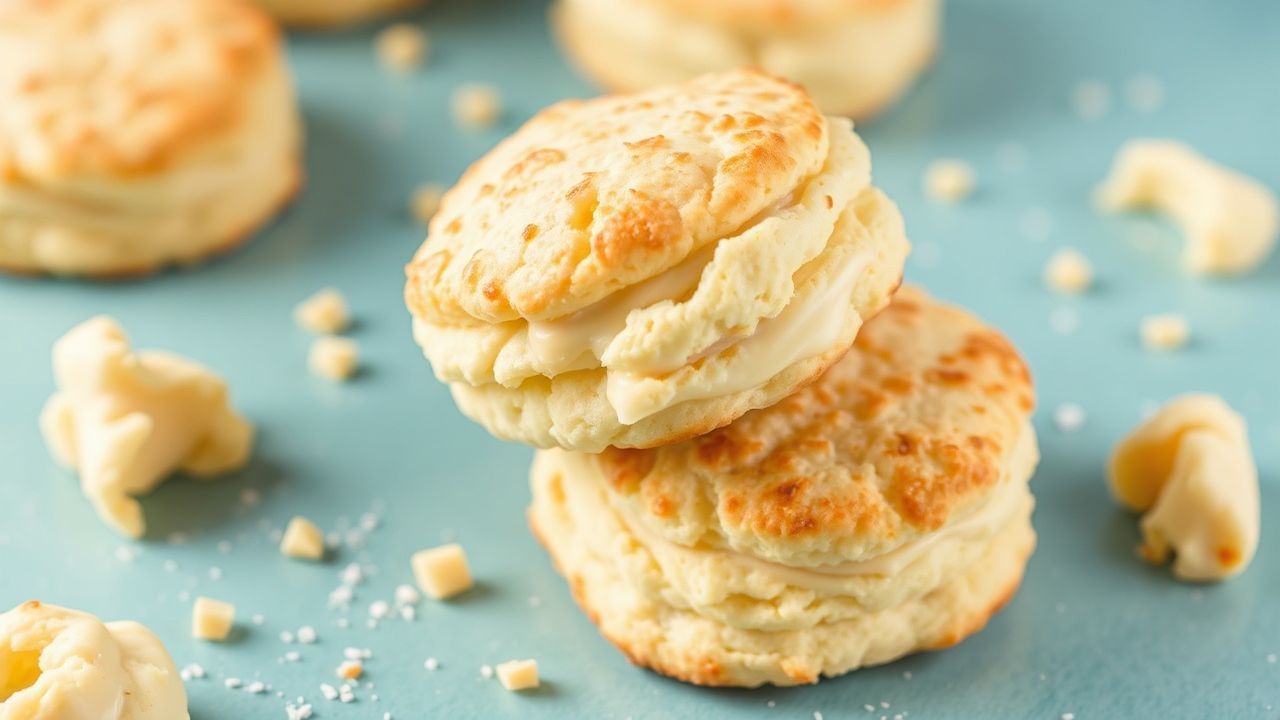

7 Pro Secrets for Fluffy Biscuits: Perfectly Soft Bites
Fluffy biscuits deliver a tender crumb, golden top and an interior that melts. This guide names seven pro techniques that reproducibly yield cloud-like fluffy biscuits every bake.
- Cold fat and quick handling preserve distinct layers and maximize steam lift.
- Accurate leavening and high oven heat control oven spring and crumb structure.
- Folding, cutting and set placement build height without overworking gluten.
- Proper liquids such as buttermilk help tenderize and power leaveners fast.
Prep and Cook Time for Fluffy Biscuits
Preparation: 15 minutes. Keep butter and buttermilk chilled and use an accurate oven thermometer. These controls help you achieve consistent fluffy biscuits from batch to batch.
Cooking: 12–15 minutes at 425°F (220°C). A high starting temperature produces the rapid steam burst that lifts layers and produces a tender interior.
Yield and Scaling for Fluffy Biscuits
This recipe yields 10–12 medium biscuits using a 2.5-inch cutter. Cutter size changes surface-to-volume ratio and can slightly alter bake time and texture.
Scale by 1.5x for about 16 biscuits or halve for 5–6. Maintain ratios to preserve crumb and rise when you scale quantities for fluffy biscuits.
Difficulty Level and Expected Results
Easy with technique sensitivity. The primary variables are fat temperature and mixing time; controlling those yields a tender, layered biscuit.
Experienced bakers focus on fold count and cutter technique to tune height and crumb. Small handling changes noticeably affect final texture of fluffy biscuits.
Ingredients
Use reliable, high-quality ingredients and measure flour by weight to avoid dense results. We recommend weighing flour for predictable fluffy biscuits.
Key roles: flour provides structure, fat creates layers, and acid in buttermilk reacts with leaveners to give lift and tenderness.
- 2 cups all-purpose flour (about 250 g)
- 1 tbsp baking powder, fresh
- 1 tsp baking soda
- 1 tsp fine salt
- 6 tbsp cold unsalted butter, cubed
- 1 cup chilled buttermilk
- 1 tbsp honey (optional)
For background on the ingredients see flour, buttermilk and butter. Consult baking powder for information on leavening chemistry.
Instructions for Fluffy Biscuits
Work briskly and cold. Keep butter chilled and minimize mixing to prevent gluten development; this provides a tender, layered crumb.
Preheat the oven to 425°F (220°C). Use a middle rack and a heavy baking sheet; if your kitchen is warm, chill the pan briefly before baking to protect cold fat pockets.
Step-by-step method
1. Whisk dry ingredients. In a large bowl combine flour, baking powder, baking soda and salt until even. A uniform dry mix promotes consistent rise and texture for fluffy biscuits.
2. Cut in cold butter. Work quickly with a pastry cutter or fingertips until coarse crumbs form with pea-sized butter pieces. Those butter pieces vaporize in the oven and create the steam pockets that lift the dough.
3. Add wet ingredients. Stir chilled buttermilk with the honey and fold into the flour until a rough dough forms. Stop when the dough just holds; a few streaks of flour are fine.
4. Fold to build layers. Turn dough onto a floured board, pat to 1-inch thick and fold over 3–4 times. Press rather than roll to preserve discrete layers without over-developing gluten.
5. Cut and set. Use a sharp 2.5-inch cutter and press straight down without twisting. Arrange biscuits close together on the sheet so sides touch; this encourages upward rise rather than spreading.
6. Bake and rest. Place the sheet in the hot oven and bake until golden, about 12–15 minutes. Let rest briefly on a rack so the crumb finishes setting before serving.
Folding technique details
Each fold multiplies layers similar to a gentler lamination. Aim for 3–4 folds; too many compress the dough and increase gluten development.
Use light pressure with a bench scraper and keep hands cool. Cold, distinct fat pockets are essential for the steam-driven lift that defines fluffy biscuits.
Baking technique details
A hot oven and a preheated baking surface produce aggressive oven spring. Immediate heat melts the butter quickly and traps steam beneath the top crust.
Rotate the pan once if your oven runs unevenly. Remove biscuits when tops and edges are warm golden brown and the interior tests clean with a skewer.
Place the shaped and chilled biscuits onto the baking sheet. Pressing the cutter straight down keeps layer edges open and maximizes rise in the oven.
Tips for Success with Fluffy Biscuits
Keep everything cold. Cold butter equals steam pockets. Chill the bowl, cutter and pan if your kitchen temperature threatens the fat temperature.
Measure by weight. Flour volume varies; weighing ensures consistency. When in doubt, remove a little flour rather than add liquid to avoid a tight dough that resists rise.
- Butter temperature: Use butter straight from the refrigerator and cut into small cubes for even distribution.
- Buttermilk substitute: Acidify 1 cup milk with 1 tbsp vinegar and rest five minutes for a reliable buttermilk replacement.
- Limit handling: Fold quickly and press gently; overmixing develops gluten and tightens the crumb.
- Freeze & bake: Freeze shaped biscuits on a tray, then bake straight from frozen, adding a few extra minutes to the bake time.
Serving Suggestions for Fluffy Biscuits
Serve warm with butter and honey for classic comfort. Split and top with gravy for a savory plate or use as the base for breakfast sandwiches.
For dessert, slice and layer with whipped cream and berries. Biscuits pair well with eggs, smoked meats or as a side to stews and braises.
Nutrition
Estimated values vary with biscuit size and exact ingredients. Use portion control and ingredient substitutions when tracking calories or macronutrients.
Per biscuit estimate: ~180 kcal, 4 g protein, 22 g carbohydrates, 8 g fat. Adjust for variations in butter amount or size for precise tracking.
Related Reading and Internal Resources
For technique drills and additional recipes visit our biscuit techniques collection: fluffy biscuits tag. That page gathers variations and user-tested adjustments.
For a focused buttermilk biscuit recipe and troubleshooting read How to Make Buttermilk Biscuits on CookHarvest. Those step photos clarify cutter pressure and fold angles.
FAQ
What makes a biscuit light instead of dense?
Lightness comes from trapped steam and minimal gluten development. Cold butter melts in the oven to form steam pockets that expand, lift and create a layered interior.
Accurate leavening and high initial oven heat support rapid rise. Proper cutting technique—pressing straight down—also helps the biscuit rise instead of spreading.
Why is butter temperature so critical?
Cold butter stays in distinct pieces inside the dough; those pieces vaporize and create lift. Warm butter blends into the flour and removes the steam pockets you need for fluffy biscuits.
Work quickly and chill utensils if necessary so the butter reaches the oven intact and produces maximum oven spring.
Can I substitute ingredients and still get fluffy results?
Yes. Use acidified milk if buttermilk is unavailable or replace 25% of AP flour with cake flour to soften the crumb. Keep leavener proportions similar when you substitute.
Test one substitution at a time to see its effect. That approach helps you learn how each swap changes height, color and mouthfeel in fluffy biscuits.
How should I cut biscuits to maximize rise?
Use a sharp cutter and press straight down without twisting. Twisting compresses and seals layers, which reduces oven spring and limits height.
Arrange biscuits close together on the sheet so sides touch; touching encourages upward rise and supports taller, layered interiors.
Any professional tips for consistent results?
Use an oven thermometer to verify temperature and weigh ingredients for repeatability. Resting biscuits briefly on a rack helps the interior finish setting.
Preheat the baking surface or use a heavy baking sheet to deliver a quick initial burst of heat. These small controls yield consistent rise and a reliable texture in fluffy biscuits.
Recommended Reading:
- Fluffy Biscuits: 5 Pro Baking Secrets
- Maple Butter Masterclass: 5 Chef-Tested Recipes & Pro Techniques
- 7 Next-Level Smoked Salt Spread Recipes That Elevate Every Dish