
Foraging Butternuts: A Creative Guide to White Walnut Harvests
Late autumn folds the forest into amber silence, and butternuts lie hidden in plain sight beneath the canopy. This guide teaches how to find, harvest, process, and use white walnuts with practical fieldcraft and culinary know-how.
- Learn reliable identification so you avoid lookalikes and protect trees.
- Harvest strategically to maximize edible yield and minimize waste.
- Process safely to avoid sap irritation and preserve flavor.
- Use creatively for both sweet and savory dishes, and support conservation.
Identification: Know Your Tree
Accurate identification begins with genus and species cues that experienced foragers rely on. Refer to the botanical profile of Juglans cinerea to match leaf, bark, and nut characters in the field.
Practice pattern recognition: leaf arrangement, trunk texture, and nut presentation create a reliable ID combination. Use those markers to separate butternut from other hardwoods and avoid misidentification during a busy harvest season.
Leaves and Bark
Butternut leaves are pinnate, with 11–17 narrow leaflets that give a long, oblong profile to each compound leaf. Look for the pale underside and an overall lighter green than many sympatric hardwoods; these traits stand out on mid-day walks.
The bark displays coarse ridges and irregular furrows on mature trees; seedlings and saplings show smoother bark that darkens with age. Note bark texture in several trees before committing to a harvest site to confirm a reliable stand of butternut.
Nuts and Husks
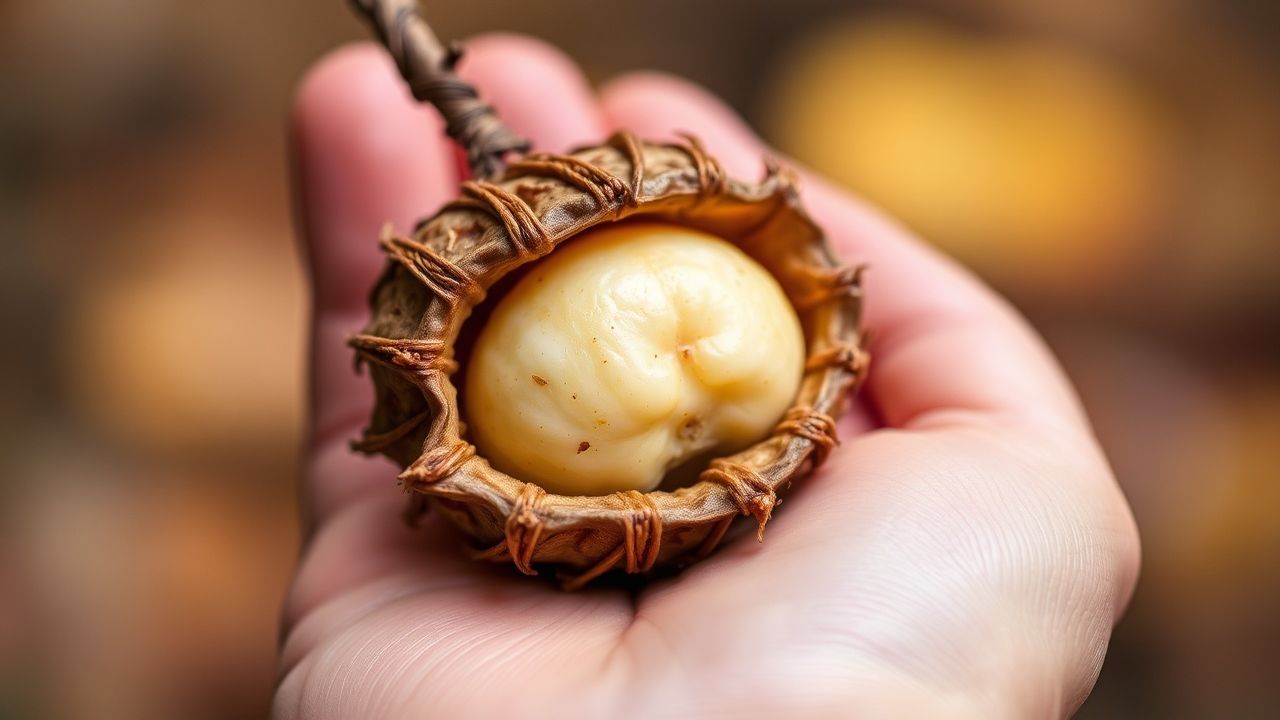
Nuts hang singly in yellow-green husks that eventually turn brown and brittle as they ripen. The seed inside has a light, buttery flavor distinct from black walnut varieties, and the husk color and firmness indicate ripeness.
Remove a husk to inspect the nut; a healthy kernel appears plump and cream to light brown. If the kernel smells off or tastes bitter, discard it because immature or damaged nuts can be astringent or rancid.
Timing and Harvesting Strategy
Plan your harvest for late September through October in most temperate zones, when husks begin to split and kernels reach peak flavor. Scout trees early in the season and mark productive trees to reduce wasted trips and keep harvests efficient.
Collect nuts that fall naturally or that you can knock free without damaging branches or disturbing nests. Work in cool, dry weather when possible; warmth accelerates spoilage and insect activity, which reduces edible yield quickly.
Leave plenty for wildlife and for future crop years; take a sustainable share rather than stripping a tree. Also record tree location and condition for monitoring; repeated heavy harvest on declining trees accelerates stress.
Processing and Storage
Process nuts outdoors or in a well-ventilated area to avoid lingering sap odors indoors, then wash and dry before long-term storage. Drying the shelled nuts slowly prevents mold and preserves flavor; spread nuts in a single layer and air-dry in a shaded, dry place for several weeks if possible.
For refrigeration, shelled butternuts store well in an airtight container at 4°C for up to two weeks; freeze for longer-term storage at -18°C. Vacuum-seal or double-wrap before freezing to limit oxidation and freezer burn, and label with harvest date.
When shelling, use a calibrated nutcracker or light hand-tap with a small hammer to preserve halves. Store whole-shell nuts in a cool, dry cellar for a natural, low-tech preservation method that maintains texture until you need them.
Cooking and Culinary Uses
Butternuts pair well with squash, root vegetables, apples, and dark leafy greens, where their buttery texture offsets bright acids. Grind some into a coarse meal to enrich breads and muffins, or fold chopped nuts into stuffing for savory depth.
Roast at a moderate temperature to boost aroma and texture; a short, light roast preserves the delicate oil profile without burning. For nut butter, pulse toasted kernels with a neutral oil in a high-speed blender until creamy, adding salt and a touch of honey to taste.
Yield, Prep and Cook Time
Yield: Expect roughly 2 cups of shelled butternuts from 15–20 medium nuts, depending on kernel size and shell integrity. Measure yields when planning recipes so you balance field collection with culinary needs.
Prep & Cook Time: Field cleaning and shelling typically take 20–60 minutes depending on batch size; cooking time varies by recipe but usually runs 15–40 minutes. Batch-roasting in small trays gives the best evenness and crunch.
Chef’s Notes and Practical Tips
Always label and date stored nuts to rotate stock effectively and avoid rancidity. Smell and taste a small sample before use; rancid oils present bitter, paint-like notes and should be discarded to protect both flavor and health.
Soaking shelled nuts in lightly salted water overnight reduces lingering bitterness and improves roasting outcomes. Grind fresh butternuts to add rustic, earthy notes to crusts and coatings where their oil content binds and enriches batters.
Serving Suggestions
Toss roasted butternuts into autumn salads with roasted squash, bitter greens, and a cider vinaigrette for balanced texture and flavor. Add chopped nuts atop mashed root vegetables or fold into grain bowls with quinoa, roasted vegetables, and a citrus-herb dressing for savory depth.
For sweets, use ground butternut in quick breads, muffins, or streusel where the nut’s oil content keeps crumb moist. Finish plates with a light flake salt or aged vinegar drizzle to amplify the nut’s natural sweetness and contrast richness.
Conservation and Tree Health
Butternut populations face decline from fungal pathogens that reduce seed production and tree longevity. Learn about butternut canker symptoms so you can report and avoid spreading infected material when moving nuts or pruning.
Collect seed responsibly and support native tree restoration by cooperating with local conservation groups and nurseries. When you propagate seedlings, follow sanitary protocols: use clean tools, and avoid planting seedlings from highly symptomatic parent trees.
Nutrition Snapshot
Butternuts provide concentrated calories and oils, with substantial monounsaturated fats and a modest protein fraction. They fit well into nutrient-dense snacks and complement carbohydrate-based sides with healthy fats.
| Nutrient | Per 1/4 cup (30g) Shelled Butternuts |
|---|---|
| Calories | 190 |
| Protein | 4 g |
| Carbohydrates | 3.5 g |
| Fat | 18 g (mostly unsaturated) |
Further Reading and Field Resources
Study species accounts and regional plant guides to refine identification and phenology knowledge. The general topic of foraging offers durable field principles that translate across habitats and seasons.
Additionally, consult the broader genus information on walnuts for comparative context on flavor and wood uses. Combine published guidance with local expert walks to build safe, repeatable skills.
FAQ
What is a butternut and how does it differ from black walnut?
A butternut (Juglans cinerea) produces single nuts in softer husks and yields a milder, buttery kernel compared with the robust, tannic kernel of black walnuts. Texture and oil profile differ, which makes butternut preferable in delicate recipes where a softer nut flavor is desired.
When should I pick butternuts for best flavor?
Pick when husks brown and begin to split; this signals the kernel has reached maturity and the oil has developed. Collect early-ripened nuts promptly to minimize loss to wildlife and insects.
How should I wash and dry freshly harvested nuts?
Remove husks outdoors with gloves, rinse kernels under running water to remove sap, then dry in a shaded, airy place for days to weeks. Ensure shells harden before long-term storage to prevent mold development.
Are butternut trees at risk and can I help?
Yes, butternut faces disease-related decline that threatens local populations; participate in seed-saving projects and local restoration efforts to help. Report symptomatic trees to regional forestry agencies to aid monitoring and containment efforts.
Can I substitute butternuts for other nuts in recipes?
Yes—use them where a mild, buttery nut flavor suits the dish, but adjust oil and texture expectations compared with denser walnuts or pecans. Do a small test batch when swapping nuts in baked goods to dial in moisture and fat balance.
See also: Butternuts