
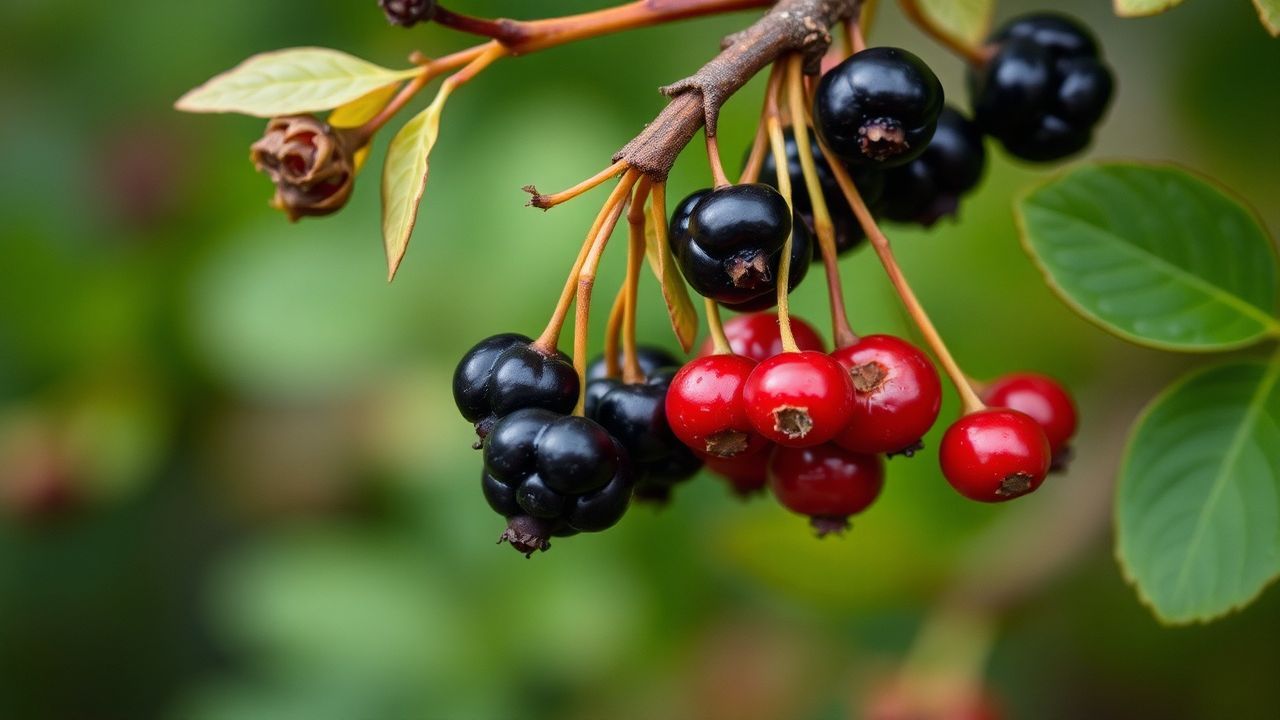

Deep in shrubby edges and sunny clearings, goumi berries offer a compact, flavorful harvest for foragers who know how to read the landscape. These bright red fruits reward careful identification and responsible harvesting with a balance of sweet and tart flavor perfect for preserves, syrups, and fresh eating.
- Find goumi on sunny edges: look along field margins and riverbanks where shrubs get full sun.
- Identify by trifoliate leaves: the plant Elaeagnus multiflora has speckled red fruit and silvery leaf undersides.
- Preserve simply: a small-batch jam or freezing keeps the bright flavor intact for months.
- Respect the site: harvest selectively to support wildlife and plant health.
Exploring Wild Goumi Berries: Habitats, Identification, Tools, and Preserving Your Harvest
Goumi berries grow on thorny shrubs that thrive in temperate climates and sunny, well-drained spots. Foraging success depends on early-season scouting and knowing the plant’s distinctive signs.
The species known as goumi is scientifically Elaeagnus multiflora, a nitrogen-fixing shrub that often appears along old hedgerows and abandoned gardens. Recognizing the plant reduces misidentification risk and increases harvest efficiency.
Habitat and Identification
Search edges where forest meets open ground, along rivers, or in shrubby hillsides. Goumi tolerates a range of soils but favours sunny microclimates that concentrate ripening energy in the berries.
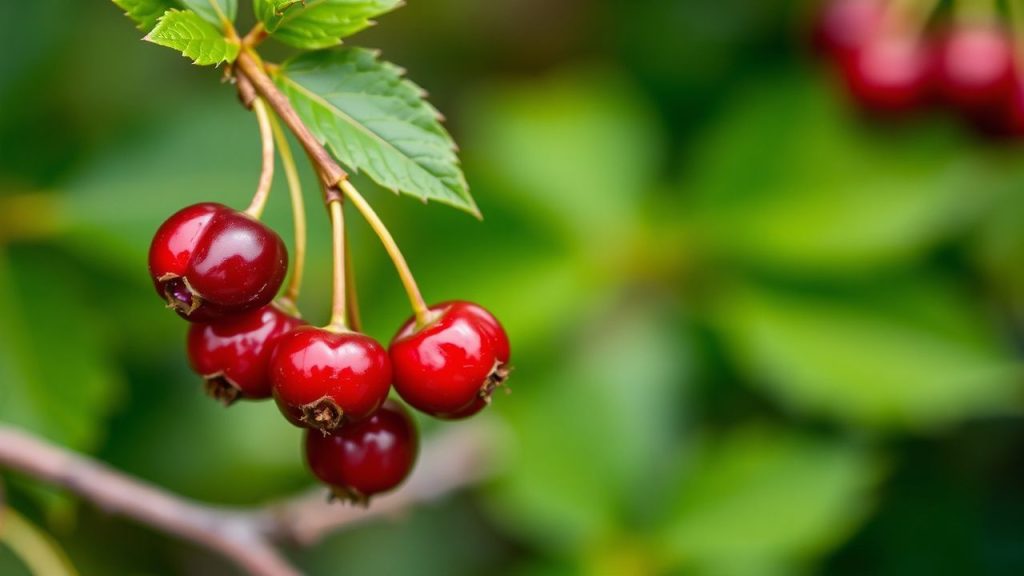
Identify goumi by its trifoliate leaves, small white to pink blossoms in spring, and clusters of speckled red berries roughly the size of a cherry tomato. The leaves often show fine silvery scales underneath, a helpful identifying trait.
Prep and Cook Time
Plan a short foraging window: one to two hours usually yields a small batch if you locate healthy shrubs quickly. Preservation steps are straightforward and work well for first-time processors.
- Foraging Time: 1–2 hours depending on location.
- Preparation Time: 15 minutes for washing and destemming.
- Cooking/Preserving Time: 30 minutes for small-batch preserves.
Yield and Difficulty
A modest harvest of three cups of berries will yield preserves suitable for 3–4 servings. Yields vary widely with shrub size and season.
Difficulty rates as medium: you need basic plant ID skills, attention to cleanliness when preserving, and patience while picking around thorns. Foragers who cultivate these skills harvest more safely and efficiently.
Essential Tools and Techniques
Bring thorn-resistant gloves, a shallow basket or cloth bag to avoid crushing, and pruning shears for dense clusters. These simple tools speed collection and protect both you and the plant.
When harvesting, favor snipping berries rather than pulling whole stems, which preserves future fruiting wood. Work methodically by pruning a bit at a time so you leave fruit for wildlife and seed propagation.
Local foraging groups and field guides improve identification accuracy. Pair field observation with reliable botanical references before consuming any wild fruit.
Ingredients for Goumi Berry Preserves
Small-batch preserves highlight the berry’s natural sweetness while balancing acidity. Keep ingredient lists minimal to let goumi flavor lead.
- 3 cups fresh goumi berries, washed and destemmed
- 1½ cups granulated sugar
- 1 tablespoon fresh lemon juice
- ½ teaspoon vanilla extract (optional)
- ½ cup water
- 1 packet fruit pectin (optional for thicker preserves)
For a lighter finish, reduce sugar slightly and rely on gentle simmering to concentrate fruit sugars. If you prefer a classic jam texture, pectin helps achieve spreadable firmness.
Instructions for Preparing and Preserving Goumi Berries
Prepare preserves in small batches to preserve bright color and clean flavor. Use sterilized jars and follow standard canning safety when processing hot fills.
- Rinse gently: Cool water removes debris; drain carefully to avoid bruising.
- Combine: Place berries, water, and lemon juice in a saucepan and heat on medium, mashing gently to release juices.
- Add sugar: Stir in granulated sugar gradually until fully dissolved; add pectin now if using.
- Boil and simmer: Bring to a rolling boil, stirring to prevent sticking, then simmer 10–15 minutes until the mixture thickens yet remains spreadable.
- Finish: Remove from heat and stir in vanilla if desired.
- Jar and process: Pour into sterilized jars leaving ¼ inch headspace. Seal and process in a boiling water bath for 10 minutes for shelf stability.
- Cool and store: Let jars cool on a towel-lined surface. Refrigerate after opening or store sealed jars in a cool, dark place.
Tips for Success
Harvest only fully ripe berries to maximize sweetness and minimize tannins. Ripe goumi will be deep red and slightly soft when pressed gently.
Avoid fruit from plants adjacent to busy roads or industrial sites to reduce contamination risk. Prioritize sites with clean water sources and healthy surrounding vegetation.
Experiment with spice additions like cinnamon or fresh herbs such as rosemary to create layered flavors. Alternatively, freeze whole berries on a tray and bag them for later use when fresh processing isn’t possible.
Check harvest laws and private property rules before foraging. Respect landowners and local ecosystems by taking only a small portion of available fruit and avoiding damage to the shrub.
Serving Suggestions
Use goumi preserves on warm toast, swirled into yogurt, or paired with cheeses for a balance of sweet and tang. Their vibrant color elevates simple platings without heavy preparation.
Try a spoonful folded into oatmeal, or make a syrup by diluting jam with warm water for cocktails and sodas. For gift jars, label processing dates and include storage suggestions.
Nutritional Snapshot
The following table provides a basic per-serving snapshot for homemade goumi preserves. Values vary with added sugar and processing method.
| Nutrient | Amount per Serving |
|---|---|
| Calories | 110 |
| Protein | 1g |
| Carbs | 28g |
| Fat | 0g |
Goumi berries contribute vitamin C and antioxidants typical of tart-sweet fruits, but exact nutrient totals depend on whether you cook with sugar or freeze raw berries. For preservation that retains nutrients, quick-freeze or lightly cook with minimal sugar.
Cultivation Notes and Ecosystem Benefits
Goumi shrubs adapt well to home landscapes and can improve soil fertility by fixing atmospheric nitrogen. Their flowers attract pollinators and birds, adding ecological value to edible hedges.
When planting, choose a sunny site with good drainage and allow room for a multi-stemmed shrub to develop. Prune selectively after fruiting to maintain structure and encourage berry production in the following season.
Learn more about nitrogen fixing plants and how they benefit garden systems on Nitrogen fixation.
FAQ
What exactly are goumi berries?
Goumi berries are the fruit of Elaeagnus multiflora, a shrub that produces small, red, speckled fruits with a sweet-tart profile. The plant originates in East Asia and has naturalized in some temperate regions.
They pair well in preserves and fresh dishes and offer foragers a reliable early-summer harvest when correctly identified.
Where should I look for goumi in the wild?
Search sunny field margins, riverbanks, abandoned hedgerows, and disturbed sites where shrubs can get steady light. Goumi tolerates a range of soils but favors well-drained locations.
Local maps of natural areas and guided foraging walks help locate established groves; join community foragers to learn common local sites and access practical tips.
Are goumi berries safe to eat raw?
Yes—ripe goumi are edible raw and often pleasantly sweet with a citrus note. Always wash wild berries thoroughly before eating and avoid any fruit with signs of spoilage.
If you are new to foraging, cross-check identification with a regional field guide or expert before consuming any wild fruit.
How long do goumi preserves keep?
Properly processed jars stored in a cool, dark place last for a year or more. After opening, refrigerate and use within several weeks for best flavor and safety.
Freezing raw berries preserves their fresh flavor for months; spread on a tray, freeze solid, then bag to prevent clumping.
Can I grow goumi in my backyard?
Yes; goumi makes a low-maintenance edible hedge that supports pollinators and fixes nitrogen. Plant in full sun with good drainage and prune after fruiting to shape the shrub.
For practical planting tips, consult garden resources and local extension services to match cultivar choice to your climate zone.
To Conclude
Foragers who learn to identify goumi and harvest selectively gain access to a uniquely flavored wild fruit that supports local ecosystems. A thoughtful approach preserves plant populations and delivers a seasonal ingredient that brightens many recipes.
Use the methods laid out here—clean identification, gentle harvesting, and simple preservation—to turn a small patch of shrubby edge into a dependable source of sweet, tangy goumi berries for years to come. Enjoy the harvest and share knowledge with fellow foragers to keep practices safe and sustainable.
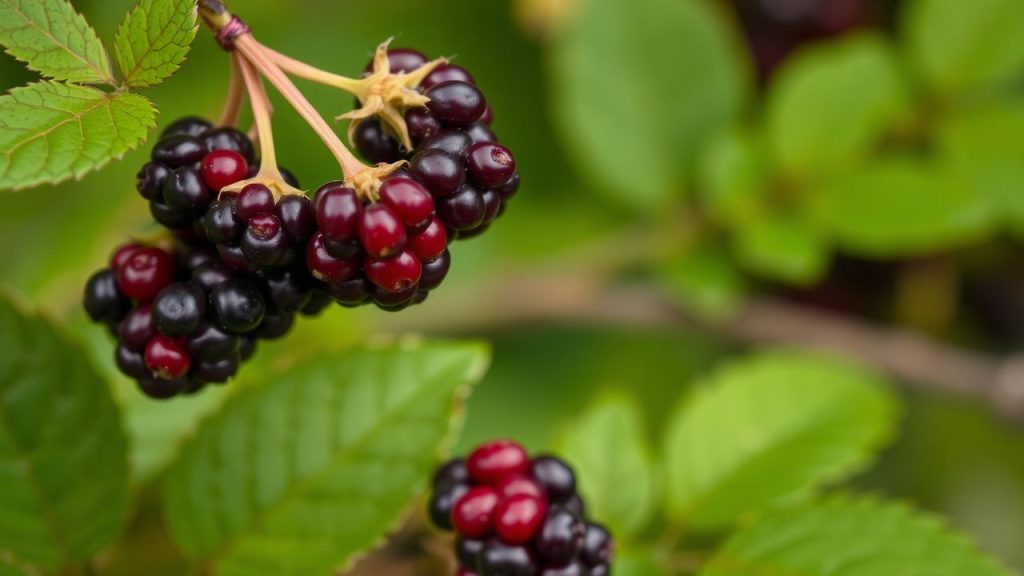
Further reading: general foraging techniques are summarized in Foraging (hunting), and traditional fruit preservation techniques are outlined on the Jam (fruit preserve) page.
See also: goumi berries