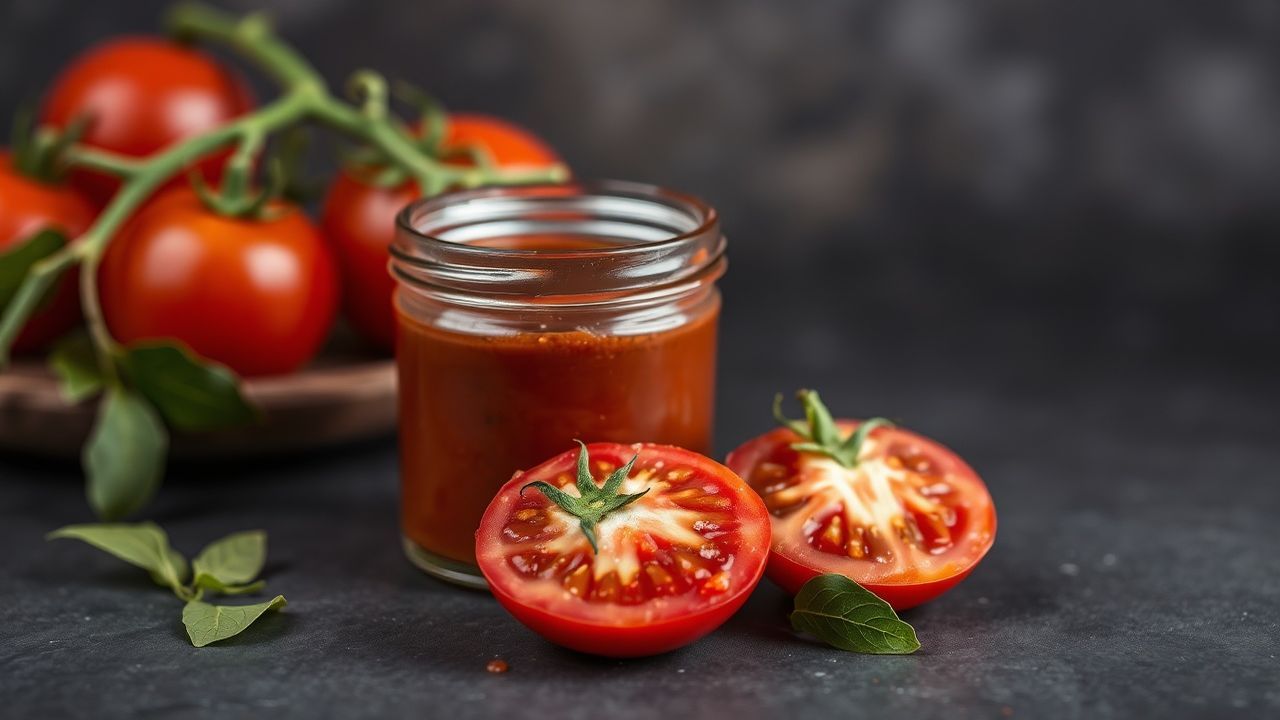

Tomato sauce transforms ripe fruit into a versatile pantry staple when you control selection, water, heat and preservation. This guide delivers tested steps and professional adjustments so every batch of tomato sauce tastes balanced, stores safely and performs well as a base or finishing sauce.
- Choose dense, meaty tomatoes for concentrated flavor and quicker reduction.
- Control moisture early through blanching, draining and gentle pressing to shorten simmer time.
- Simmer with technique to concentrate sugars while preserving bright aromatics.
- Preserve and label to retain quality and ensure food safety for long-term storage.
The Art of Selecting Perfect Tomatoes for Homemade Tomato Sauce
Selecting the right fruit sets the ceiling for your finished tomato sauce. Meaty varieties with high flesh-to-water ratio reduce down faster and require less added seasoning to achieve depth of flavor.
Look for uniform color, a pleasant perfume at the stem, and a firm-but-springy texture. Varieties commonly chosen for sauce include Roma and plum types because their thicker walls and fewer seeds improve yield and body.
Ripeness, acidity and texture for sauce
Weight per size indicates flesh density; a heavier tomato usually means more solids and less free water. Acid balance influences perceived brightness in the sauce.
Avoid bruised or overripe fruit to minimize off-flavors and excess liquid during reduction. Proper selection shortens cook time and improves final texture.
Preparing Tomatoes: Blanching and Seed Removal for Tomato Sauce
Efficient peeling and seeding accelerate production and improve mouthfeel in jar-ready tomato sauce. Score a shallow X at the blossom end, blanch briefly, then shock in ice water to release skins cleanly.
After peeling, cut and pass fruit through a food mill or fine sieve to remove seeds and fibers. Mechanical removal keeps volatile aromatics intact while producing a consistent body for canning or freezing.
Why blanch and mill?
Blanching loosens skin without cooking the flesh through, maintaining fresh acidity and aroma. A food mill removes seeds while preserving pulp structure that blends into a silky tomato sauce.
For background on the chemistry of blanching, consult blanching (cooking). For tomato biology that explains flesh-to-water ratios, see tomato.
Cooking Technique: Build Flavor Without Losing Freshness in Tomato Sauce
Start with drained tomato solids and use a wide, heavy pot to promote steady evaporation. A broad surface area supports faster reduction with fewer hot spots, which yields a balanced tomato sauce more reliably.
Bring tomatoes to a gentle simmer and maintain low rolling bubbles. This temperature window concentrates sugars and develops savory notes while keeping the cooked edge soft and bright.
Tools and heat control
Use a heavy-bottomed pan and a broad spatula for even heat distribution. Stir occasionally to prevent sticking, but avoid constant agitation that can break down texture and release bitterness.
If you want an even silkier finish, pass the sauce through a fine sieve or use an immersion blender at low speed only in short pulses. Over-blending can introduce air and blunt volatile aromatics.
Balancing and Finishing: Seasoning Strategies for Tomato Sauce
Season in layers: salt early to extract flavor, adjust sugars or acid after reduction to balance. Small additions of tomato paste or a Parmesan rind will add umami depth without long cooking.
Add fresh basil at the end of simmering to preserve its aromatic lift and avoid a wilted, cooked herb profile. For herb background, see basil.
Acidity and preservation trade-offs
Acidity affects both flavor and safety for home canning. If you plan to can, measure final acidity or follow tested recipes that match your batch composition.
Small adjustments—honey instead of sugar, a splash of red wine reduced early, or a short roast of a portion of tomatoes—give different flavor layers while keeping the base tomato sauce fresh.
Preserving Tomato Sauce: Freezing vs. Canning
Choose a preservation method that fits your planned shelf life and kitchen setup. Freezing preserves bright tomato character for months; canning yields shelf-stable jars when executed with tested processing times.
Cool sauce quickly before packaging to limit bacterial growth and color loss. Rapid chilling and portioning streamline reheating and reduce waste when you pull jars or bags from storage.
Label jars with date and batch notes so you can track adjustments and repeat successes. Rotate stock using more aged jars first to maintain consistent pantry quality.
Equipment and Yield Expectations for Tomato Sauce
Essential tools: a food mill or fine sieve, heavy pot, wide spatula and reliable thermometer if you test acidity. These tools reduce variability and speed consistent batches of tomato sauce.
Typical yield from a 5 lb batch ranges around 3.5–4.5 cups of finished sauce depending on reduction level and how thoroughly you remove seeds and juice. Track yield to plan jar counts accurately.
Time estimates and workflow
Plan two focused windows: prep (washing, scoring, blanching, peeling) and a separate simmer window for reduction. Rushing either stage increases the chance of uneven texture or lost aromatics.
Estimated times: about 25 minutes for prep and 45–60 minutes for simmering per 5 lb batch. Larger batches scale time non-linearly; evaporation rate and pan surface area matter most.
Serving, Storage and Use Cases for Tomato Sauce
This tomato sauce performs well over fresh pasta, as the base for braises, and as a dipping sauce. A finishing drizzle of olive oil and torn basil brightens the plate and reintroduces volatile aromatics.
To adapt the sauce, reserve a portion of raw crushed tomatoes to fold in at service for freshness, or roast a small percentage for a smoky backbone while keeping much of the batch bright.
Nutrition and label tips
Approximate nutrition per cup: ~80 kcal, 2 g protein, 14 g carbohydrates, 3 g fat, depending on added oil and enrichments. Note variances when you include cheese or sugar.
Record ingredient weights and additions on your batch label to recreate or modify recipes precisely in future batches of tomato sauce.
Professional Notes and Variations for Tomato Sauce
To deepen umami quickly, add a small piece of Parmesan rind during simmering and remove before bottling. Alternatively, concentrate a small amount of tomato paste separately and fold it in to boost body without lengthening the cook.
For a roasted profile, char some tomatoes or roast onions and peppers, then mix them back into the fresh-reduced base. This creates a layered tomato sauce that reads as complex but doesn’t require long, high-heat simmering.
At a Glance
- Select meaty varieties to reduce water load and cut simmer time.
- Drain early — blanch, peel and mill to control texture before cooking.
- Simmer gently on a broad pan for even evaporation and preserved aromatics.
- Preserve safely with clear labeling and tested canning or freezing practice.
FAQ
How important is tomato variety for sauce?
Variety affects flesh-to-water ratio and flavor intensity. Meaty types with thicker walls and fewer seeds generally yield fuller-bodied tomato sauce with less reduction time.
Run small tests with new varieties to compare sweetness and acidity before committing a full batch to canning or freezing.
Do I need to peel and seed every tomato?
Peeling and seeding improve mouthfeel and reduce separation, which matters for smooth jarred tomato sauce. For rustic applications, leaving some seeds and skins is acceptable.
If you plan to can for smooth usage, the extra step pays off in texture and visual clarity when you open the jar.
What is the safest way to preserve large batches?
Follow tested canning recipes or opt to freeze in portioned containers. Low-acid additions may require pressure canning; align processing times with current guidelines for your altitude.
Cool promptly, inspect seals before storage, and keep jars in a cool, dark pantry for best longevity.
How can I deepen flavor without long simmering?
Add concentrated elements such as tomato paste, a Parmesan rind, or a reduced splash of red wine early in cooking. These boost umami without lengthy reduction.
Roasting a portion of tomatoes or aromatics and blending them into the fresh-reduced base adds complexity quickly while preserving bright top notes in the tomato sauce.
How long will homemade sauce keep in the fridge and freezer?
Refrigerated sauce lasts about 5–7 days in airtight containers. Frozen portions remain high quality for 3–6 months when stored properly.
Properly processed, sealed jars stored in a cool, dark place can remain good for up to 12 months; always inspect seals and discard any jar with spoilage signs.
Related pages: tomato sauce recipes and tips | batch process overview
For context on culinary sauce classification see sauce. For safe home preservation reference canning.
Recommended Reading:
- Unlocking Silk: 9 Expert Steps to Silky Tomato Sauce
- Preserve the Flavor: 9-Step Pint Jar Tomato Sauce Canning Guide
- Mastering Tomato Sauce: 7 Fast Techniques for Thick, Rich Results