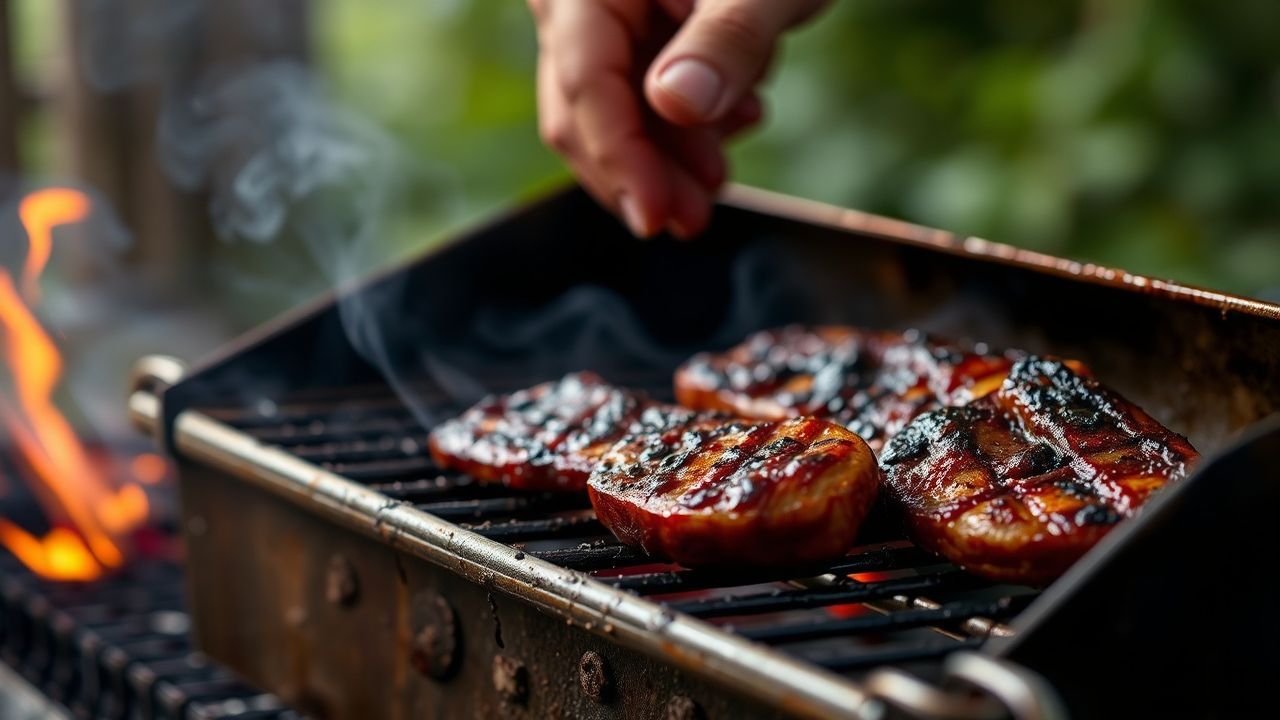

Before the sizzle of the grill and the aroma of smoke, barbecue began as a methodical, fire-driven practice that shaped communities and cuisines. Barbecue blends controlled heat, wood smoke, and slow timing to transform tough cuts into tender, flavorful meat.
- At a Glance: Barbecue evolved from indigenous methods like barbacoa into varied regional styles.
- Wood choice, time, and temperature make the largest impact on flavor and texture.
- Techniques range from pit-smoking to modern electric smokers and still rely on the same basic chemistry.
- Perfect pulled pork requires low temperatures, long cook times, and a reliable thermometer.
Origins of Smoke and Fire: Exploring Barbecue’s Ancient Roots
The cooking techniques that became barbecue stretch back to pre-Columbian societies where open-fire roasting and enclosed-smoke methods met practical needs. Indigenous peoples developed frameworks and slow-cook methods such as barbacoa, which used wooden racks and earth pits to preserve moisture and infuse smoke.
European contact accelerated exchange of ingredients and methods, while forced migrations and trade introduced new spices and proteins. The historical arc now labeled “barbecue” shows clear technical lineage to smoking as a preservation and flavor technique, coupled with local adaptations.
How Barbecue Became Regional Identity
Regional barbecue styles emerged from local ingredients, fuel sources, and cultural influences. For example, the types of wood available shaped flavor profiles and pit designs, producing recognizable regional signatures.
African, European, and Indigenous culinary practices fused in different proportions across the Americas, producing vinegar-based sauces in one area and sweet, tomato-forward profiles in another. Social rituals around barbecues—festivals, family gatherings, and competitions—solidified those regional traditions into cultural identity.
Classic Pulled Pork Recipe and Practical Timings
This pulled pork approach preserves traditional low-and-slow technique while giving clear steps for consistent results. Follow time, temperature, and resting guidance to control collagen breakdown and moisture retention.
Prep and Cook Time: Prep Time: 30 minutes; Cook Time: 4–6 hours at low heat; Resting Time: 20 minutes. Yield: Serves 6–8; Difficulty: Medium—requires patience and temperature control.
Ingredients
4 lbs pork shoulder (bone-in, trimmed). 1/4 cup brown sugar, 2 tbsp smoked paprika, 1 tbsp kosher salt, 1 tbsp black pepper, 1 tbsp chili powder, 1 tsp cayenne, 1/2 cup apple cider vinegar.
Wood and moisture: 2 cups hickory chips (soaked for 30 minutes), 1 cup water for the smoker pan. These elements control smoke flavor and humidity in the cooking chamber.
Instructions
Combine brown sugar, smoked paprika, kosher salt, black pepper, chili powder, and cayenne to make a dry rub. Pat the pork shoulder dry, press the rub into the meat, and marinate for at least two hours or overnight for deeper flavor.
Preheat the smoker or grill to a steady 225°F (107°C) and add soaked hickory chips to generate smoke. Place the pork fat-side up on grates with a water pan below, maintain consistent temperature, and avoid frequent lid openings to preserve heat and smoke saturation.
Cook slowly until the internal temperature reaches about 195°F (90°C) for pull-apart texture, then wrap loosely in foil or butcher paper. Rest the wrapped meat for 20 minutes to let juices redistribute, then shred and mix with pan juices for service.
Techniques and Wood Selection
Wood selection changes a cook’s flavor palette dramatically, from sweet-fruited notes to strong, savory smoke. Use hickory for a robust backbone or applewood for a milder, fruitier profile depending on the protein and desired outcome.
Understanding wood density, combustion temperature, and resin content helps you predict flavor output and burn rate. When in doubt, test small amounts and keep records—consistent results come from measured experimentation.
Common Woods and Flavor Profiles
Hickory yields strong, bacon-like smoke that suits pork and beef. Mesquite burns hot and delivers an intense, earthy flavor best used sparingly or for short cooks.
Fruitwoods such as apple and cherry produce mild, sweet smoke that complements poultry and pork without overpowering. Master pitmasters blend woods to balance intensity and aromatic complexity during multi-hour smokes.
Tips for Success
Control temperature first, smoke second; both elements determine the final texture and taste. Use a reliable probe thermometer and log temperatures at the meat’s thickest point for predictability across cooks.
Resting is non-negotiable for moist results; allow at least 15–30 minutes after the cook before pulling or slicing. Brining, a simple rub, and letting the meat come to near-room temperature before it hits the smoker improve cure and smoke penetration.
Make-ahead strategies work: pulled pork often tastes better after a night in the fridge as flavors meld. Reheat gently with added moisture rather than blasting with high heat to preserve texture and mouthfeel.
Serving Suggestions and Cultural Context
Serve pulled pork on toasted buns with crunchy slaw and pickles for classic composition. Offer regional sauce options—vinegar-forward, mustard-based, or tomato-sweet—to let guests choose their preference.
Barbecue often functions as community ritual, appearing at family gatherings, competitions, and festivals. That social role explains why recipes passed down through families change slowly while technique spreads rapidly through pit communities and clubs.
Nutritional Snapshot
Per serving, pulled pork prepared with a standard rub and trimmed shoulder typically provides significant protein and a moderate calorie load. Expect approximately 450 kcal, 38 g protein, 12 g carbohydrates, and 28 g fat per serving based on typical portioning and basting.
Adjust portion sizes and side selections to balance meals; leaner cuts or trimmed portions lower fat and calorie counts. Sauces and sides contribute the largest variable calories, so measure them if you manage dietary intake.
| Nutrient | Per Serving |
|---|---|
| Calories | 450 kcal |
| Protein | 38 g |
| Carbohydrates | 12 g |
| Fat | 28 g |
FAQ
What is the historical origin of the term barbacoa?
The word “barbacoa” comes from Taíno language and described a wooden framework for slow-cooking meat over a fire. This method influenced early Spanish descriptions and helped propagate the word into English as “barbecue.”
How long should I smoke a pork shoulder for pulled results?
Plan for 4–6 hours at 225°F for a 4-pound pork shoulder, but trust internal temperature over clock time. Pull when the meat reaches about 195°F and the probe slides with minimal resistance.
Which woods produce the best smoke for pork?
Hickory provides a bold, traditional profile that suits pork well, while applewood offers a sweeter, milder aroma. Many cooks blend woods to dial in a balanced flavor across long smokes.
Can modern smokers replicate pit-barbecue flavor?
Yes, modern smokers replicate pit flavors by controlling airflow, smoke production, and humidity. The key is consistent low heat and sufficient clean smoke for extended periods.
Where can I read more on barbecue history and techniques?
Authoritative overviews appear in curated museum collections and culinary histories, while focused technique articles and peer communities provide hands-on tips. Consult reputable sources and preserved records to trace regional variants and technique evolution.
By following careful temperature control, appropriate wood choices, and patient rest periods, cooks can reproduce traditional barbecue outcomes reliably. The craft combines empirical technique with regional creativity, producing both consistent results and endless variation.
See also: Barbecue history