
Introduction to frozen kefir
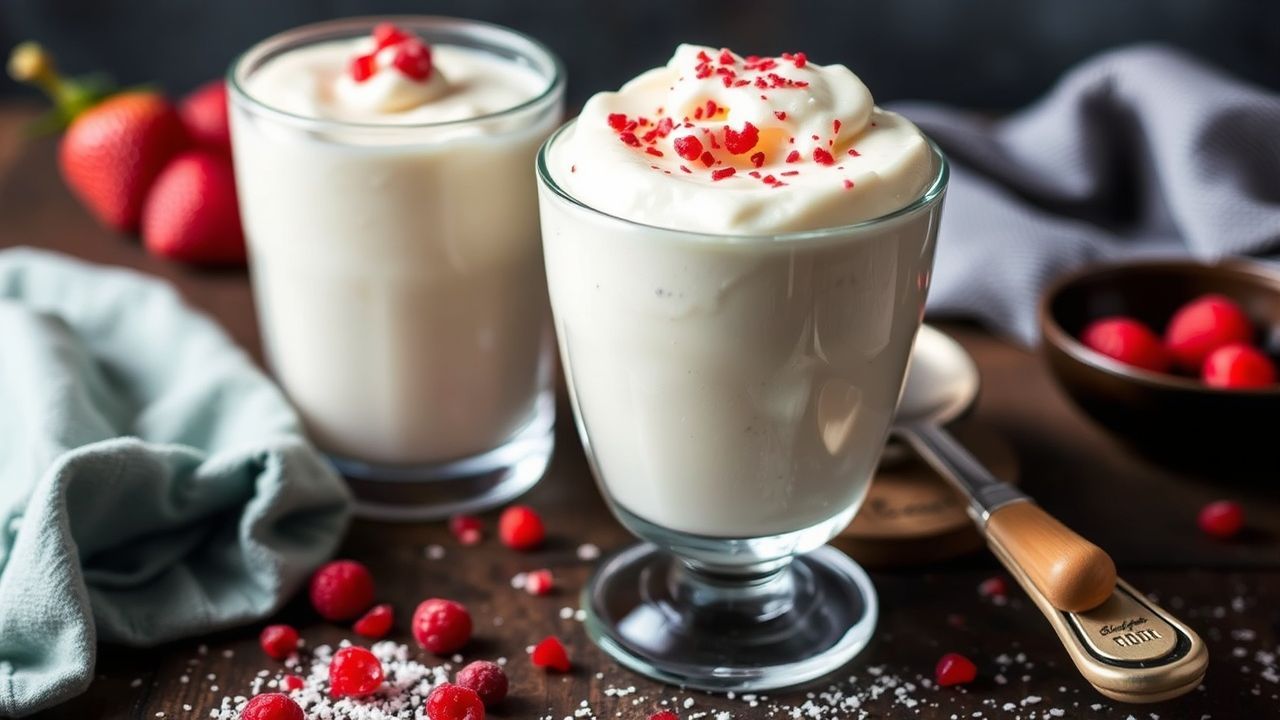
Frozen kefir is the relaxed, tangy cousin of ice cream: scoops that cool you down, deliver lively fermented flavor, and retain the nourishing character of live cultures. Whether you make kefir from scratch or buy a fresh, active jar, turning it into a scoopable dessert is a short, satisfying process that rewards a little patience and a few technique adjustments. This guide walks you through ingredients, step-by-step technique, texture troubleshooting, flavor experiments, and safe storage—everything you need to serve spoonfuls of creamy, probiotic-rich frozen kefir.
Why frozen kefir?
Frozen kefir keeps the bright, slightly sour profile of kefir while muting acidity with fat and sweetener. The result: a refreshing, lower-sugar alternative to many commercial frozen desserts, with a distinct cultured tang and a texture that can rival frozen yogurt when prepared right.
Yield, time and skill for frozen kefir
- Yield: ~6 servings
- Prep: 20 minutes (plus 24–48 hours fermentation if making kefir)
- Freeze: 6 hours (or overnight)
- Total time: about 30 hours including fermentation
- Difficulty: Medium — basic fermentation know-how and patience for freezing get the best results
Ingredients for frozen kefir
- 4 cups whole-milk kefir (homemade or fresh store-bought; active/live cultures preferred)
- 1/2 cup full-fat coconut milk OR heavy cream (optional — for added silkiness)
- 1/3 cup raw honey or pure maple syrup (tweak to taste)
- 1 tsp pure vanilla extract
- Optional flavor add-ins: 1 cup berries (fresh or frozen), 2 tbsp chopped fresh mint, 1/2 tsp ground cinnamon, zest of 1 lemon, or a swirl of chocolate
- Pinch fine sea salt
Equipment checklist
- Large mixing bowl
- Whisk or spatula
- Ice cream maker (recommended) OR shallow freezer-safe pan and periodic stirring tool
- Freezer-safe container with tight lid
- Optional: food processor or blender for ultra-smooth finish
Step-by-step method for frozen kefir
1. Base blending
Pour kefir into a large bowl. Add coconut milk or cream and whisk gently until uniform. Add honey or maple syrup and whisk until dissolved. Stir in vanilla and the pinch of sea salt. Taste and adjust sweetness; because kefir can be tangy, a tiny extra sweetener often balances the final flavor.
2. Flavor infusions
If using herbs, zest or spices, fold them into the base now. For fruit add-ins, briefly pulse berries in a blender or mash them for a ripple; too much blending will add liquid and can make the base runnier.
3. Chill before churning
Place the mixed base in the refrigerator for a minimum of 2 hours. A thoroughly chilled base shortens churn time and improves mouthfeel.
4. Churn or freeze (churning options)
- With an ice cream maker: churn per manufacturer instructions, usually 30–40 minutes, until soft-serve consistency. Avoid over-churning; it can incorporate excess air.
- Without a machine: pour into a shallow pan and freeze. Every 20–30 minutes, remove and stir vigorously with a fork or spatula, breaking up ice crystals until evenly frozen (approx. 3–4 hours of intermittent stirring).
5. Hardening and finish
Transfer churned soft-serve to a freezer-safe container, smooth the surface, and press a sheet of parchment against the top to minimize freezer burn. Freeze 4–6 hours or overnight until scoopable. For a silky scoop straight from the freezer, pulse briefly in a food processor, then refreeze 30–60 minutes to firm.
For more on preparing kefir before freezing, see our kefir fermentation guide and try a few of our tested frozen recipes.
Safety and storage for frozen kefir
Store frozen kefir airtight in the coldest part of your freezer. Consume within 1–2 weeks for best texture and flavor. As with any fermented dairy, monitor for off smells, visible mold, or unexpected discoloration.
For general guidance on fermented food safety, consult FoodSafety.gov.
Texture troubleshooting: how to avoid iciness in frozen kefir
- If your frozen kefir is icy, increase the fat fraction next time (more coconut milk or a splash of cream) and/or add a little more sweetener — both ingredients lower freezing point and soften texture.
- Chill thoroughly before churning; warm bases freeze into large crystals.
- Shallow pans freeze faster and create smaller crystals. If you aren’t using a machine, frequent stirring during the initial freeze reduces iciness.
- For instant smoothing, briefly pulse frozen kefir in a food processor before serving; this simulates softening.
Flavor pairing and creative twists for frozen kefir
- Bright and floral: lemon zest + honey, or orange + cardamom.
- Berry blends: strawberry-basil, blueberry-lavender, or raspberry with a dark chocolate swirl.
- Spiced comfort: cinnamon + toasted almond slivers, or cardamom + rosewater.
- Tropical: mango puree folded into a coconut-kefir base for a creamy, island-style treat.
- Boozy adult twist: a splash of liqueur (e.g., orange liqueur) can add complexity and soften freezing point; add sparingly.
Serving suggestions
Scoop frozen kefir into chilled bowls or cones. Sprinkle toasted coconut, granola, or chopped nuts for crunch. A fruit coulis or warm fruit compote contrasts pleasantly with tangy frozen kefir. For multi-texture servings, plate with a crisp biscotti, or layer frozen kefir between crunchy granola for parfait-style presentation.
Make-ahead, freezing, and thawing tips
- For best texture, eat frozen kefir within 1–2 weeks. Longer storage increases ice crystal growth despite airtight sealing.
- To thaw for scooping, set the container on the counter for 5–10 minutes, or in the refrigerator for 20–30 minutes depending on firmness.
- If you plan to freeze for gifting or travel, press plastic wrap directly onto the surface before closing the lid to reduce condensation and freezer burn.
Nutrition snapshot (approximate per serving)
- Calories: 140 kcal
- Protein: 5 g
- Carbohydrates: 18 g
- Fat: 5 g
Note: Nutrition varies by kefir brand, the fat content of added dairy or coconut milk, and choice of sweetener or add-ins.
FAQ about frozen kefir
Q: Can I use water kefir?
A: Water kefir is fizzy and lacks the dairy fat that creates a creamy texture. For a scoopable, creamy dessert, milk kefir is the preferred base.
Q: Is the probiotic content preserved after freezing?
A: Freezing can reduce the activity of some microbes but many live cultures remain viable. Frozen kefir still offers the characteristic flavor and some probiotic presence, though variability exists between strains and processing methods.
Q: Can I make a vegan frozen kefir version?
A: Use cultured plant-based yogurts with active cultures or make a water-kefir-based sorbet with thickening/stabilizing plant purées. The texture will differ from dairy kefir, so expect a softer or icier result unless you increase fat and sugar or add stabilizers.
Q: How do I prevent separation after thawing?
A: Freeze in an even, smooth layer and minimize thaw/refreeze cycles. If some separation occurs, a quick whirl in a blender or food processor restores uniformity.
Key Takeaways for frozen kefir
- Use fresh, whole-milk kefir plus a touch of fat (coconut milk or cream) to build a rich, scoopable texture.
- Thoroughly chill the base before churning and choose shallow freezing for faster, smoother sets to reduce ice crystals.
- Freeze airtight and consume within 1–2 weeks for the best combination of texture, flavor, and culture viability.
Related resources
For brewing and storing kefir before you freeze it, check a dedicated kefir fermentation guide to ensure strong, lively cultures and safe fermentation practices. Learn more about the benefits of cultured dairy at our benefits of kefir page, or explore additional frozen ideas in our frozen desserts collection.
See also: frozen kefir