
Gluten-Free Peanut Butter Cookies: Simple & Delicious Guide
Imagine biting a cookie that’s richly nutty, tender in the center, and reliably gluten-free. This recipe focuses on technique and ingredient balance so you reproduce the same chewy result every time.
- Fast bake: 15 minutes active prep, 12–15 minutes in the oven.
- Texture trick: natural peanut butter plus coconut sugar yields chewiness and flavor.
- Swaps: oat or almond flour work; use certified gluten-free oats where needed.
Why these gluten-free peanut butter cookies work
Gluten-free baking requires attention to moisture, binder, and particle size. This recipe uses natural peanut butter and oat flour to deliver cohesive dough and a pleasant crumb.
Also, the recipe leans on time-tested methods used in traditional baking, such as measuring, gentle mixing, and short bakes, so the cookies set correctly while staying soft in the middle.
For foundational reading on the proteins that give wheat its structure, see gluten. For background on the main ingredient, consult peanut butter.
Prep and Cook Time
Preparation: 15 minutes. The timeline includes measuring, mixing, and optional chilling for easier shaping.
Cooking: 12–15 minutes in a preheated 350°F (175°C) oven. Remove when edges firm up but centers remain slightly soft.
- Preparation: 15 minutes
- Cooking: 12-15 minutes
- Total Time: Approximately 30 minutes
Yield
This batch makes 18–20 medium cookies depending on scoop size. They store well and travel well for lunches or gift tins.
If you need more, the recipe scales linearly: double ingredients for 36–40 cookies and bake in multiple sheets, rotating racks halfway through the bake time.
Difficulty Level
Easy. No advanced techniques required. The most critical skills are accurate measuring and avoiding overmixing the dough.
Beginners will find the method forgiving because peanut butter supplies both flavor and fat, reducing the risk of dry, crumbly results common in some gluten-free recipes.
Ingredients
Below are the tested ingredient amounts that deliver consistent chew and rich peanut flavor. Use a digital scale where possible for best repeatability.
Substitution notes follow the ingredient list to account for dietary preferences and pantry constraints.
- 1 cup smooth peanut butter (natural, unsweetened preferred)
- 3/4 cup coconut sugar (or organic cane sugar)
- 1 large egg
- 1 teaspoon pure vanilla extract
- 3/4 cup gluten-free oat flour (certified if needed)
- 1/2 teaspoon baking soda
- 1/4 teaspoon fine sea salt
Flour substitutes and notes
If you prefer a nut-based flour, almond flour performs well but yields a denser crumb and more almond flavor. Measure almond flour gently; do not pack it.
For oat-based substitutions, confirm certification if you require gluten-free assurance. Learn more about oats and their uses at oat.
Instructions
Follow these steps in order. Small changes to creaming time, oven temperature, or chill time alter texture noticeably, so make one change at a time when experimenting.
Preheat and prepare baking sheets before starting the mixing so you can move quickly once the dough is ready and avoid overbakes.
- Preheat oven to 350°F (175°C). Line a baking sheet with parchment paper.
- Cream peanut butter and sugar. In a large bowl, beat until smooth and slightly glossy, about 2 minutes.
- Mix in egg and vanilla. Beat until combined and slightly aerated to improve lift.
- Sift dry ingredients. Combine oat flour, baking soda, and salt; sift to remove lumps and evenly distribute leavening.
- Fold dry into wet. Use a spatula to mix until just combined; stop when no streaks remain to avoid toughness.
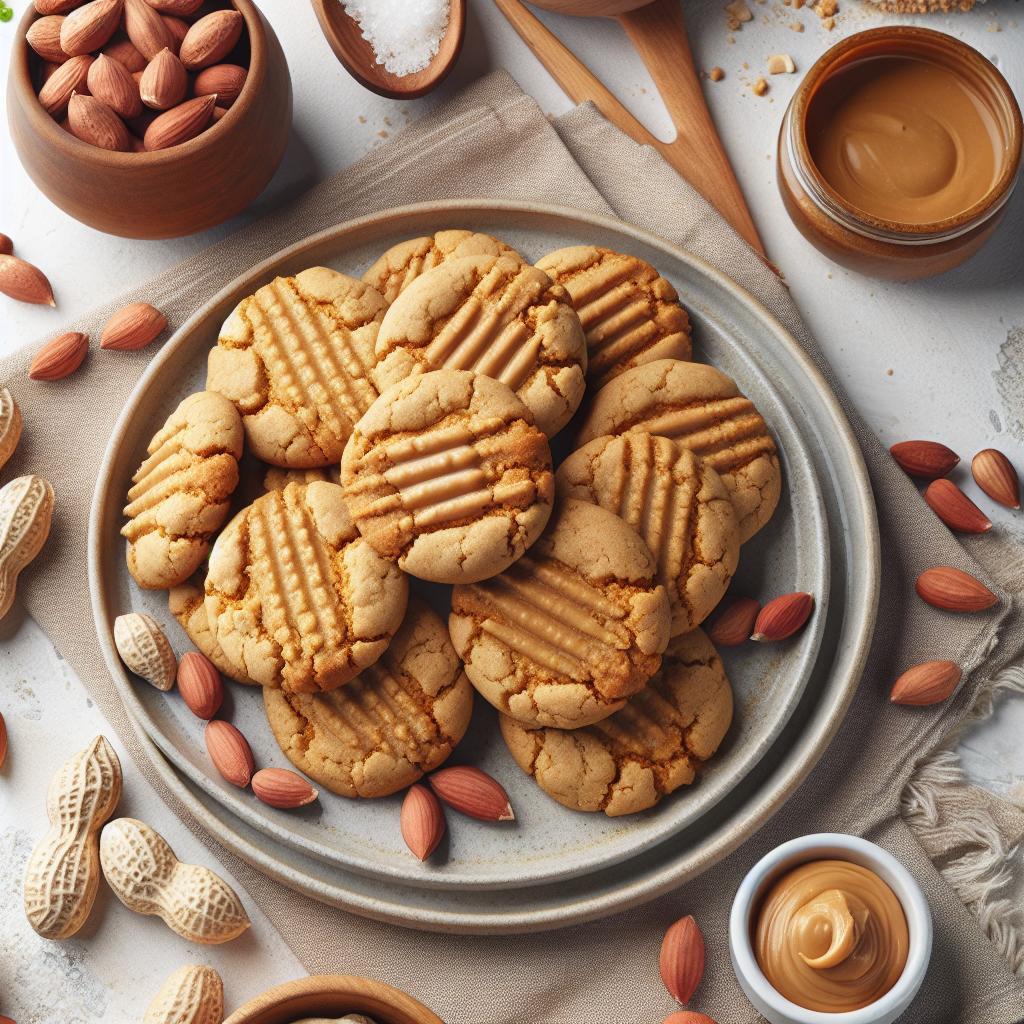
- Shape. Scoop 1.5-inch balls, space evenly on the sheet, and press with a fork into a crisscross pattern.
- Bake 12–15 minutes. Edges should firm; centers will continue to set while cooling.
- Cool briefly on sheet. Let cookies rest 5 minutes, then transfer to a rack to finish cooling and keep centers chewy.
Chef’s Notes
Ingredient quality matters. Natural peanut butter (oil separated but stirred back in) provides cleaner flavor and better texture than highly processed, hydrogenated varieties.
Moisture control. Coconut sugar hydrates differently than white sugar; expect slightly darker color and a soft chew that lasts longer.
If cookies spread too much, chill the dough for 20–30 minutes. Chilling firms fats and reduces spreading, giving a taller, chewier cookie.
Serving Suggestions
Serve these cookies with milk alternatives or coffee for contrast. The rich nutty flavor pairs well with lightly sweet beverages or sharp dark chocolate.
For gifting or potlucks, arrange on a platter and optionally drizzle with melted dark chocolate. If you want more baking techniques and substitution ideas, see our Gluten-Free Baking Tips page for deeper notes and troubleshooting.
To save and share the recipe on your site, link the recipe card to your recipes directory, for example: gluten-free peanut butter cookies.
Nutrition
Nutrition values depend on exact brands and portion sizes; the table below is a reasonable per-cookie estimate for a medium cookie.
Use a nutrition calculator if you need precise values for dietary requirements or labeling.
| Nutrition (per cookie) | Amount |
|---|---|
| Calories | 120 kcal |
| Protein | 4 g |
| Carbohydrates | 10 g |
| Fat | 8 g |
Q&A
Below are concise answers to common questions bakers ask when adapting peanut butter cookies to gluten-free kitchens. Each answer gives practical steps so you can act quickly.
For authoritative background on specific ingredients and techniques, consult the linked resources included throughout this guide.
Q&A: Gluten-Free Peanut Butter Cookies – Simple & Delicious Guide
Q1: Why choose gluten-free peanut butter cookies?
A1: They let people with celiac disease or gluten sensitivity enjoy a familiar treat. Plus, peanut butter adds protein and rich flavor, so the cookies feel more satisfying per bite.
Q2: Can I use any peanut butter for these cookies?
A2: Choose natural peanut butter without hydrogenated oils for best flavor and texture. If using crunchy peanut butter, expect additional texture from peanut pieces.
Q3: What gluten-free flours are best?
A3: Oat and almond flours are excellent; a gluten-free all-purpose blend with a binder like xanthan gum also performs well. See background on baking processes at baking.
FAQ
This FAQ provides schema-ready questions and short answers for search features. Each Q&A below is concise and practical to help users act quickly.
Use these answers for quick reference while baking or adapting the recipe for dietary needs.
Can I make these cookies dairy-free?
Yes. The base recipe contains no dairy ingredients; verify your peanut butter and sugar are free of dairy cross-contact. Use dairy-free chocolate if adding chips.
How do I keep cookies soft for days?
Store in an airtight container at room temperature with a slice of bread to maintain moisture. Alternatively, freeze baked cookies and thaw briefly when ready to serve.
Can I swap the egg for a vegan binder?
Replace the egg with a flax “egg” (1 tbsp ground flaxseed + 3 tbsp water) and use maple syrup if additional sweetness is needed. This produces a slightly denser texture but remains tender.
Are these cookies suitable for people with celiac disease?
They can be, if you use certified gluten-free oat flour and avoid cross-contact in your kitchen. For more on managing gluten-free diets, refer to gluten-free diet.
See also: peanut butter