
Harvard Beets Reinvented: A Fresh Spin on a Classic Side
Harvard beets retain the bright, sweet-and-sour character that made them a staple on American tables. This version keeps that essential balance while adding texture, color, and modern flavor accents to fit contemporary menus.
- Vibrant sweet-tart glaze: apple cider vinegar, maple, and mustard.
- Texture contrast: gently firm beets with optional toasted nuts.
- Simple swaps: roast instead of boil to intensify sweetness.
- Make-ahead friendly: store components separately and reheat gently.
Origins and Cultural Context
Harvard beets trace their name to New England tables and a tradition of bright, pickled or sweetened roots. The dish sits in the intersection of home cooking and seasonal preservation methods.
Understanding the cultural path helps you adjust flavors with respect for the original profile while updating technique. For background on the vegetable itself, consult beetroot for botanical and culinary context.
Prep and Cook Time
Preparation: 15 minutes. Use a good vegetable peeler and a sharp knife to keep slices even.
Cooking: 25 minutes for boiling; 35-45 minutes for roasting. Timing varies with beet size, so test a slice for tenderness.
Yield
Serves 4 as a vibrant side. Portioning depends on whether the dish accompanies a rich main or a light grain bowl.
Scale easily: double the recipe for a dinner party and finish glaze tableside to preserve shine. The glaze stores separately to maintain texture.
Difficulty Level
Medium. The steps demand attention to texture and glaze consistency rather than advanced technique.
Home cooks with basic stove skills will succeed. Small timing adjustments deliver noticeably better results.
Ingredients
Use 4 medium beets (about 1½ lbs), 3 tbsp apple cider vinegar, 2 tbsp maple syrup, 1 tbsp unsalted butter, 1 tsp Dijon, ½ tsp smoked paprika, ½ cup finely chopped red onion, salt, pepper, fresh thyme, and 1 tbsp toasted walnuts optional.
Choose fresh, firm beets for the best texture. For a sweeter, more complex glaze, use high-quality maple syrup.
Key Ingredients Explained
Beets: roasting concentrates natural sugars and deepens flavor, while boiling preserves a cleaner, juicier texture. Each method gives a distinct final character.
Vinegar: apple cider vinegar cuts sweetness and brightens the palate. It helps the glaze cling to slices without overwhelming the beet’s earthiness.
Substitutions and Allergies
Replace butter with neutral oil or vegan butter to keep the dish vegan. Swap maple with honey or agave if you prefer a different sweet profile.
Avoid nuts if guests have allergies; toasted seeds give crunch without tree-nut risk. Adjust seasoning to keep sodium low for sensitive diets.
Instructions
1. Prepare the beets: peel and slice into ¼-inch rounds. Place slices into salted water and simmer for 15-20 minutes or roast until tender.
2. Sauté aromatics: melt butter in a skillet over medium heat. Cook red onion until translucent, then add vinegar, maple, Dijon, and smoked paprika to form the glaze.
3. Combine: fold cooked beets into the glaze and warm through on low for 3-5 minutes. Adjust salt and pepper, then plate with thyme and optional toasted walnuts.
4. Finish: serve slightly warm or at room temperature. Maintain a single layer on the platter for the best presentation and full glaze exposure.
Boiling vs Roasting
Boiling gives a tender, consistent texture that suits delicate sauces and quick prep. Roasting develops caramelization and deeper flavors; it concentrates sweetness and adds complexity.
For roasting guidance, see general notes on roasting techniques and adjust time for beet size and oven performance.
Glaze Technique
Simmer the vinegar and syrup until slightly thickened; this step ensures a glossy coat and balanced acidity. Keep heat low to prevent the syrup from burning.
Finish with mustard to stabilize the emulsion and smoked paprika for aroma. Toss gently so slices keep shape and the glaze clings evenly.
Chef’s Notes
Flavor variations: add a splash of orange juice or a teaspoon of pomegranate molasses for fruity depth. Small additions transform the profile without losing tradition.
Texture tips: do not overcook beets. Slight resistance at the center creates a pleasant bite that contrasts the silky glaze.
Let the beets cool briefly before glazing. Warm beets absorb the sauce without becoming mushy.
Serving Suggestions
Pair the dish with herb-crusted proteins, grilled mushrooms, or a grain bowl. The bright acidity cleanses the palate and balances fatty mains.
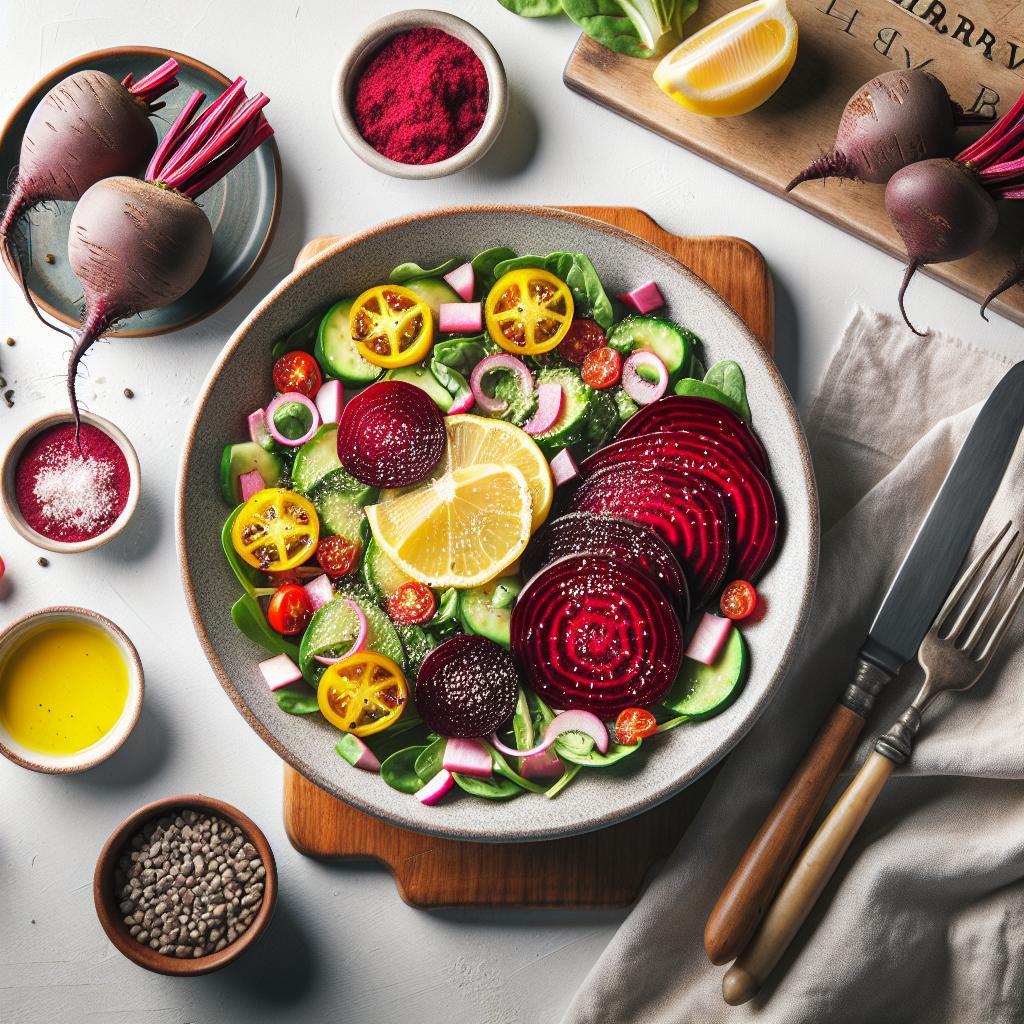
For a composed plate, layer glazed beets over mixed greens and dollop a mild cheese nearby. This contrast highlights both color and mouthfeel.
Garnish ideas include toasted seeds, citrus zest, and microgreens for color and crunch. For alternative pairings, consult a staple like couscous or simple roasted fish.
Nutrition and Storage
Per serving, estimate ~140 calories with modest fat from butter and negligible protein. Beets supply fiber, folate, and potassium while the glaze adds simple sugars.
Store components separately: refrigerate beets and glaze in airtight containers up to 4 days. Reheat gently to avoid breaking down texture.
| Nutrient | Amount (per serving) |
|---|---|
| Calories | 140 |
| Protein | 2g |
| Carbohydrates | 28g |
| Fat | 4g |
Quality Control and Final Tips
Use a thermometer or timed tests to avoid overcooking. Consistent slices give even cook times and a polished final look.
Adjust sweetness and acidity in small increments; a little vinegar can brighten, while a touch more syrup smooths harsh edges. Taste as you go to maintain balance.
FAQ
What are Harvard beets?
Harvard beets are cooked beets dressed in a sweet-and-sour glaze traditionally made with vinegar and sugar. The modern version keeps that profile and introduces new textures and flavor accents.
Can I make this dish vegan?
Yes. Replace butter with a neutral oil or vegan butter. Confirm that any optional garnishes, like cheese, are omitted or replaced with plant-based alternatives.
Is roasting better than boiling?
Roasting concentrates sugars and deepens flavor; boiling keeps the beet lighter and juicier. Choose based on the final plate you imagine.
How do I store leftovers?
Store beets and glaze separately in airtight containers in the refrigerator. Reheat gently to keep the texture intact and prevent the glaze from becoming syrupy.
Are Harvard beets gluten-free?
Yes when you use typical ingredients like vinegar, maple syrup, and spices, the dish contains no gluten. Always check labels for processed items if you serve gluten-sensitive guests.
For botanical context about beets and culinary uses, see the beetroot entry. For regional culinary history, consult New England resources and for syrup sourcing, review maple syrup background.
See also: Harvard beets