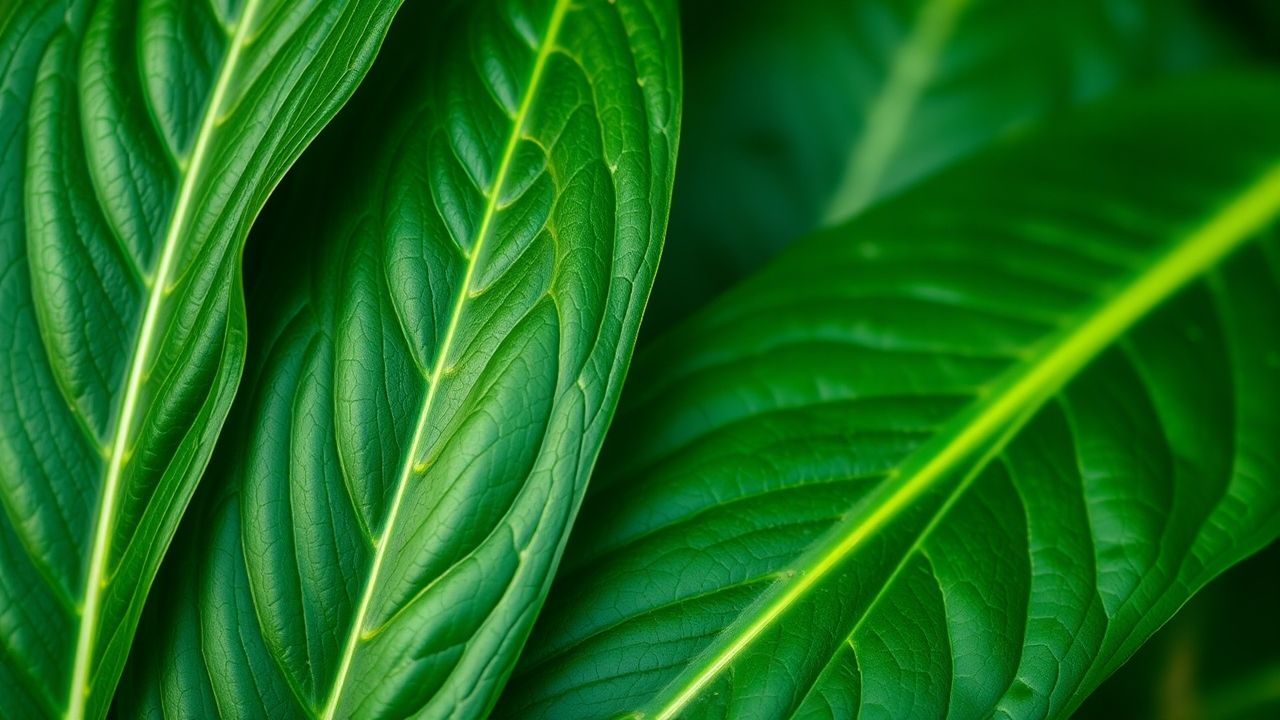

In the quiet corners of gardens and along sunlit paths, plantain leaves deliver reliable, time-tested relief for common skin and digestive complaints. These hardy herbs offer anti-inflammatory and soothing actions that traditional healers have used for centuries.
- Plantain leaves relieve itching and minor inflammation fast.
- Use as an infusion for gentle digestive support or as a topical compress for wounds.
- Easy to grow and identify; ideal for a beginner’s herbal toolkit.
- Follow straightforward safety steps to avoid irritation or contamination.
Background and Botanical Identity
Plantain leaves refer to common species in the genus Plantago, especially Plantago major and Plantago lanceolata.
These species appear globally and adapt to lawns, compacted soil, and roadside verges. Their broad, low leaves and central flowering spikes make identification straightforward for foragers and gardeners.
Prep and Cook Time
Preparation for a plantain infusion takes only minutes. Gather, wash, and tear leaves to release active compounds before steeping.
Preparation: 10 minutes | Infusion/Steeping Time: 20 minutes | Total Time: 30 minutes. Keep steeping times short when using fresh leaves to preserve delicate constituents.
Yield
A standard infusion recipe yields about two cups, enough for a few topical compresses or two internal servings. You can scale up without losing potency by maintaining the leaf-to-water ratio.
For topical work, three compresses typically cover small to medium skin areas. Store any leftover infusion chilled and use within 48 hours to avoid microbial growth.
Difficulty Level
These preparations rank as easy and require no specialized tools. A small saucepan, a strainer or cheesecloth, and clean cotton cloths suffice for most remedies.
Beginner herbalists will find plantain reassuringly forgiving. The plant tolerates gentle bruising and moderate variation in steeping time without losing efficacy.
Ingredients
Use fresh, healthy leaves harvested from pesticide-free areas. If you cultivate plantain at home, pick mature leaves that are free of insect damage or discoloration.
- 10 fresh plantain leaves, washed and intact
- 2 cups filtered water
- 1 tablespoon raw honey (optional for topical moisture)
- 1 teaspoon apple cider vinegar (optional for digestive use)
- Thin cotton cloths or cheesecloth for compresses
Instructions
Follow hygienic steps for both internal and topical use. Clean work surfaces, sanitize containers, and use filtered water to limit contamination.
Keep steps sequential and simple to maintain consistency and reproducible results.
Infusion Method (Tea)
Bring filtered water to a gentle boil, then remove from heat. Add torn leaves and cover; steep for 20 minutes for fresh leaves or 30 minutes for dried material.
Strain through a fine mesh or cheesecloth into a clean jar. Sip warm or chilled; for digestion, add a teaspoon of apple cider vinegar if desired and tolerated.
Topical Application and Compresses
Let the infusion cool to skin temperature. Soak a clean cotton cloth, wring out excess, and apply to irritated or inflamed skin for 10–20 minutes.
Fresh leaves work well as a poultice: bruise leaves slightly, place directly on the skin, and secure with a clean bandage. Replace every 15–20 minutes until symptoms ease.
Tips for Success
Harvest sustainably: take leaves from healthy plants and leave the root mass intact. Avoid collecting near roads, industrial areas, or recently treated lawns.
Use wild-crafted or organically grown plantain when possible. Dried leaves concentrate differently, so extend steeping time by about 10 minutes for equivalent potency.
Perform a patch test before broad topical use to check for sensitivity. Even gentle herbs can produce allergic reactions in a minority of users.
Serving Suggestions
Present infusion chilled in clear glass to showcase its pale-green hue. Garnish a sipping portion with a sprig of mint or a thin lemon slice to add aroma and palatability.
For ritualized topical care, arrange washed leaves, clean cloths, and a small pot of honey in a tidy workspace. This approach reinforces hygienic practice and encourages consistent use.
Nutritional Snapshot
A plantain leaf infusion provides minimal calories but supplies trace phytochemicals and water. While not a macro-nutrient source, the infusion supports tissue hydration and topical soothing.
Research attributes topical benefits to compounds such as allantoin and flavonoids, which support wound repair and reduce inflammation. For further reading on specific compounds, consult references on allantoin and herbal constituents.
| Nutrient | Per 100ml Infusion | Benefit |
|---|---|---|
| Calories | 5 kcal | Low-energy beverage, hydrates tissue |
| Protein | 0.1 g | Supports mild tissue repair |
| Carbohydrates | 1 g | Small energy contribution for skin cells |
| Fat | 0 g | Free of fats and cholesterol |
Traditional Uses and Evidence Base
Folk medicine has long used plantain for wounds, insect bites, and respiratory support. Modern phytochemical analysis supports anti-inflammatory and astringent actions.
Plantain sits within the broader practice of herbalism and aligns with protocols for medicinal plants recorded in ethnobotanical studies. Use clinically validated sources when combining plantain with pharmaceuticals.
Q&A
Below are concise answers to common questions about plantain leaves. These clarify safe use and expected outcomes.
Short, practical responses help you apply remedies accurately and avoid common mistakes.
Q1: What are plantain leaves?
Plantain leaves come from low-growing plants in the Plantago genus and contain soothing compounds. They are not related to the banana-like plantains used as food.
Q2: How do they help skin issues?
They reduce swelling and irritation through tannins and mucilage that form a protective layer and support cell repair. Apply as a cool compress for quick relief.
Q3: Can I drink plantain infusion daily?
Small daily doses are generally safe for most adults to support mild digestive discomfort. Consult a clinician before regular use if you take medications or have chronic conditions.
FAQ
Are plantain leaves edible and safe to eat?
Yes, young leaves are edible and nutritive when washed. However, older leaves become fibrous and may taste bitter; cook them or use as an infusion instead.
How do I identify broadleaf versus narrowleaf plantain?
Broadleaf plantain has wide rounded leaves with visible veins, while narrowleaf features long slender leaves and distinct flower spikes. Photos and local field guides can help confirm identification.
Can children use plantain compresses?
Children often tolerate plantain well, but perform a patch test first. Keep application times short and observe for any skin reaction.
How long does a topical effect last?
Expect symptom relief within 10–30 minutes for itching and mild inflammation. Repeat compresses 2–3 times daily as needed, and seek care if symptoms persist.
Where can I learn more about medicinal plant research?
Start with reputable botanical and pharmacognosy sources, and consult peer-reviewed journals for clinical evidence. For general context on medicinal plants, see the Wikipedia topic on medicinal plants.
With careful harvesting and simple preparations, plantain leaves deliver practical, low-cost remedies you can use at home. They bridge ancestral practice and contemporary phytochemistry, offering a gentle option for everyday skin and digestive support.
See also: Plantain leaves