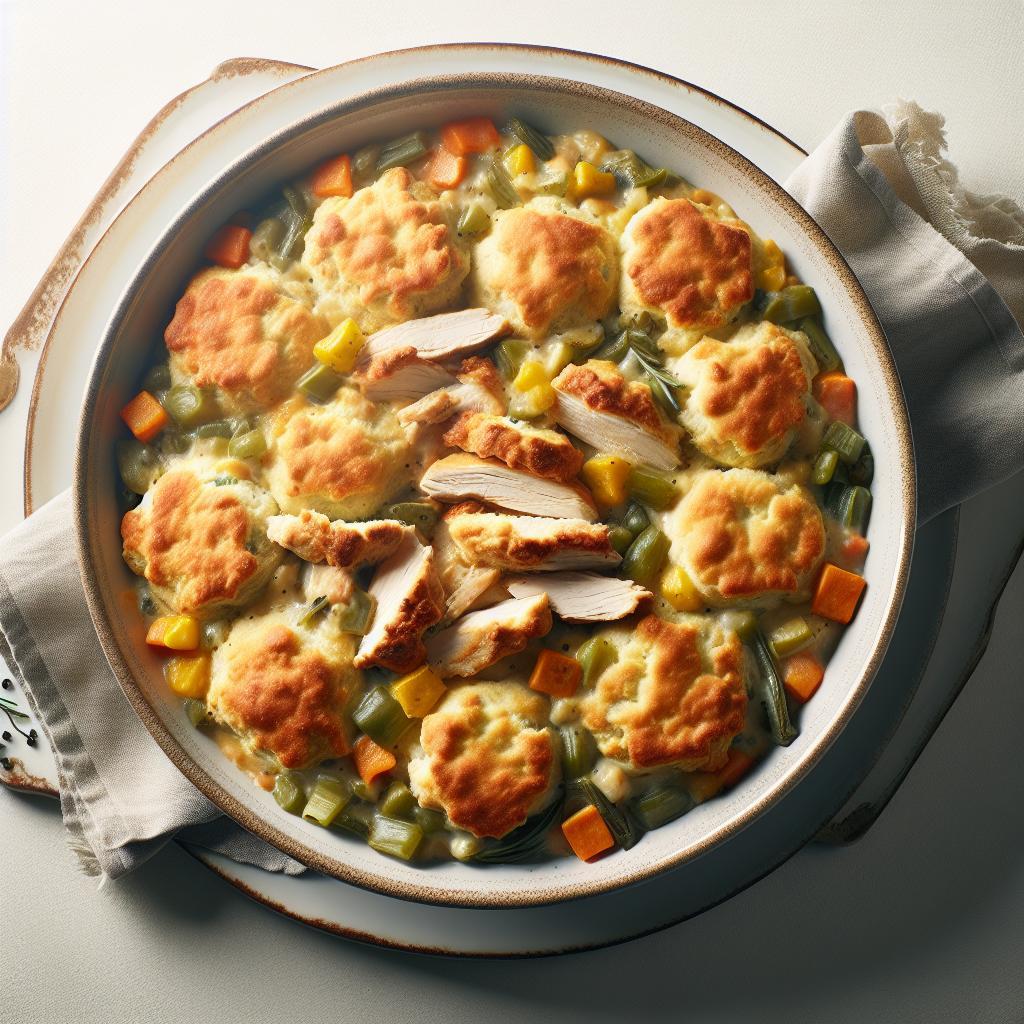

Chicken Casserole combines tender shredded chicken, a creamy roux-based filling, and golden biscuit crowns for a reliable comfort dinner that performs every time. This version focuses on technique: proper sauce building, measured biscuit placement, and grease management to keep biscuits from sinking.
- Overview of Chicken Casserole
- Prep and Cook Time for Chicken Casserole
- Yield & Difficulty for Chicken Casserole
- Ingredients for Chicken Casserole
- Instructions for Chicken Casserole
- Variations and Substitutions for Chicken Casserole
- Tips for Success with Chicken Casserole
- Make-Ahead and Storage for Chicken Casserole
- Serving Suggestions for Chicken Casserole
- Nutrition and Label Notes for Chicken Casserole
- Related Recipes and Internal Resources for Chicken Casserole
- Q&A
- Final Note on Chicken Casserole
- FAQ
- Key takeaway: balance sauce thickness so biscuits bake without sinking.
- Key takeaway: use cooked, dry-shredded chicken for best texture.
- Key takeaway: small swaps (peas, thyme, cheese) tailor the profile quickly.
- Key takeaway: make-ahead assembly saves oven time on busy nights.
Overview of Chicken Casserole
This chicken casserole pairs classic elements: shredded chicken, a stable creamy binder, and a biscuit topping that browns outside while staying tender inside. The method borrows from Southern casserole technique but adapts readily to modern kitchens and weeknight time constraints.
The filling relies on a blonde roux to thicken warmed milk and stock, producing a gravy-like base that clings to bits of chicken. For background on the main protein, see chicken as a culinary staple.
Prep and Cook Time for Chicken Casserole
Preparation: Plan 20 minutes active time; add cooling or shredding if you roast whole chicken. Mise en place speeds the assembly sequence and reduces stress at bake time.
Cooking: Bake at 375°F (190°C) for 25–30 minutes for biscuits to brown; total oven time with filling set runs about 45 minutes. Let the dish rest 5 minutes after baking so the filling stabilizes.
Yield & Difficulty for Chicken Casserole
Serves six hearty portions in a 9×13-inch dish when you use the listed binder and biscuit coverage. Scale by increasing filling volume while maintaining biscuit spacing to preserve even baking.
Skill level rates easy to medium. Home cooks with basic sauce and skillet experience will succeed; attention to sauce viscosity separates a good chicken casserole from a great one.
Ingredients for Chicken Casserole
Core choices shape texture and flavor. Use about 2 cups cooked shredded chicken (breast or thigh), 1 cup diced carrots, 1 cup diced celery, and one medium chopped onion. Reserve any pan juices from roasting and discard excess liquid before shredding.
For the sauce: 3 tbsp unsalted butter, 3 tbsp all-purpose flour, 2 cups warm whole milk, and 1 cup low-sodium chicken stock. Season with thyme, garlic powder, salt, and pepper. Top with a 16 oz tube of refrigerated biscuit dough or homemade buttermilk biscuits for more flavor complexity. For quick reference on biscuits, consult the biscuit entry.
Instructions for Chicken Casserole
Preheat the oven to 375°F (190°C) and lightly grease a 9×13-inch casserole dish. Prepare vegetables and shred the chicken in advance so the cook sequence stays efficient.
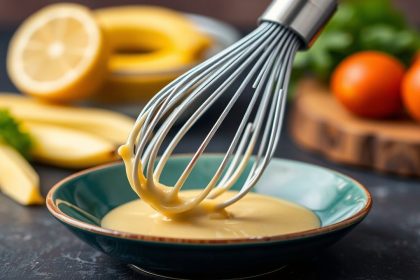
In a large skillet over medium heat, melt butter and sweat onion, carrots, and celery until softened, about 7 minutes. Add flour and stir constantly for 2 minutes to make a blonde roux; this removes raw flour taste while keeping the sauce smooth.
Whisk warm milk and stock into the roux slowly to avoid lumps. Simmer until the mixture thickens to gravy consistency, about 5–7 minutes, then add herbs and seasoning. Stir the shredded chicken and optional peas into the thickened sauce until well coated; pour into the prepared dish and level to support biscuit bases.
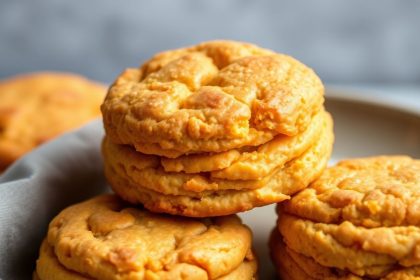
Arrange biscuits on top with slight space to allow expansion. Bake uncovered for 25–30 minutes until biscuits are puffed and golden and a toothpick in a biscuit center comes out clean. Rest 5 minutes before serving to let the filling set so you get clean portions.
Variations and Substitutions for Chicken Casserole
Swap bone-in chicken thighs for richer flavor, removing skin and bones before shredding. For a vegetarian option, replace chicken with a mix of mushrooms and chickpeas and use vegetable stock instead of chicken stock.
To increase creaminess without thinning the filling, stir in a small amount of cream cheese or plain Greek yogurt off heat. Alternatively, prepare a béchamel-style variant for silkier mouthfeel; see béchamel sauce for technique notes.
Tips for Success with Chicken Casserole
Small technique choices influence the final dish dramatically. Dry-shredded chicken—cooled and patted dry—keeps the sauce from thinning and holds its bite under biscuit topping.
Brush biscuit tops with melted butter five minutes before they finish to boost browning. Adding grated hard cheese to biscuit tops yields a crisp, savory lid that offsets the creamy filling.
Make-Ahead and Storage for Chicken Casserole
Assemble through the step before adding biscuits, cover tightly, and refrigerate up to 24 hours. Add fresh biscuit dough at bake time; if the casserole goes into the oven chilled, add 5–10 extra minutes of baking.
Store leftovers in an airtight container for up to 3 days. Reheat in a 350°F oven until the center reaches 165°F; this method preserves biscuit texture better than the microwave and heats the filling evenly.
Serving Suggestions for Chicken Casserole
Balance the casserole’s richness with bright, acidic sides such as a crisp green salad or lemon-dressed slaw. Light steamed greens or sautéed green beans add color and contrast in texture.
For weeknight service, pair with roasted baby potatoes. For holiday service, complement with roasted root vegetables and a lightly dressed winter salad to vary the plate and cut richness.
Nutrition and Label Notes for Chicken Casserole
A typical serving provides about 420 kcal, 32 g protein, 28 g carbohydrates, and 18 g fat using listed ingredients. Swap biscuits, butter, or milk to manage calories and macronutrients as needed for dietary goals.
For special diets, use reduced-fat milk and lower-sodium stock, or prepare gluten-free biscuits with certified gluten-free flour blends to accommodate restrictions. Confirm labels carefully when serving guests with allergies.
Related Recipes and Internal Resources for Chicken Casserole
Explore similar comfort dishes and side recipes on our site for planning and timing ideas. Use consistent technique pages to master roux work and biscuit timing for dependable results.
For general context on casserole forms and history, consult the casserole entry. Those notes clarify how ingredient ratios influence bake behavior across casseroles.

Q&A
What makes this chicken casserole reliably comforting?
The combination of warm, savory chicken and a soft biscuit topping creates contrasting textures and flavors that feel homey. The starch-and-fat profile delivers satisfying mouthfeel and satiety across portions.
Can I use leftover cooked chicken?
Yes. Leftover roasted or poached chicken works well; shred or dice it and remove excess juices before mixing to keep the filling from thinning. Cold, watery meat dilutes the sauce and increases bake time.
How do I prevent a soggy biscuit topping?
Thicken the filling properly with a roux or cornstarch slurry before adding chicken, and arrange biscuits with slight gaps so hot air circulates. Bake until biscuits reach a golden color and test a center with a toothpick.
Is there a gluten-free approach?
Use a certified gluten-free biscuit mix and a gluten-free flour or cornstarch for thickening. Confirm all packaged ingredients bear gluten-free labeling to avoid cross-contamination and serve safely.
How should I reheat leftovers to keep texture?
Reheat in a preheated 350°F oven until warmed through; the oven restores some biscuit crispness better than microwaving and heats the filling without overcooking edges.
Final Note on Chicken Casserole
This chicken casserole rewards modest prep with broad adaptability. Technique choices—thickening level, biscuit placement, and chicken texture—deliver predictable, enjoyable results that scale to family-size portions.
For food-handling context, review the general food safety guidance. Apply tested preservation methods if you change storage or canning approaches.
Explore more: For background on casserole technique and history see the casserole page and adjust small swaps to suit the occasion.
FAQ
How much chicken do I need per person?
Plan about 1/3 to 1/2 cup of cooked shredded chicken per serving in a family-style chicken casserole; adjust for appetite and sides.
Can I freeze assembled chicken casserole?
Freeze the filling (without biscuits) in an airtight container up to 3 months. Thaw overnight in the refrigerator and add fresh biscuits before baking to maintain texture.
Which biscuits work best?
Buttermilk biscuits provide tang and lift; refrigerated biscuits save time and yield consistent rise when the filling has correct viscosity.
What thickener gives the most stable filling?
A roux-based thickener made from butter and flour yields stable, clingy sauce. Cornstarch slurry works faster but can thin if liquid ratios change during baking.
Can I halve the recipe safely?
Yes. Halve ingredients and use a smaller pan. Keep biscuit spacing proportional so each portion gets even topping and bake time may drop slightly—monitor the biscuits for doneness.
See also: Chicken Casserole