
Hearty Scotch Pie Recipe: Savory Lamb Filling Inside
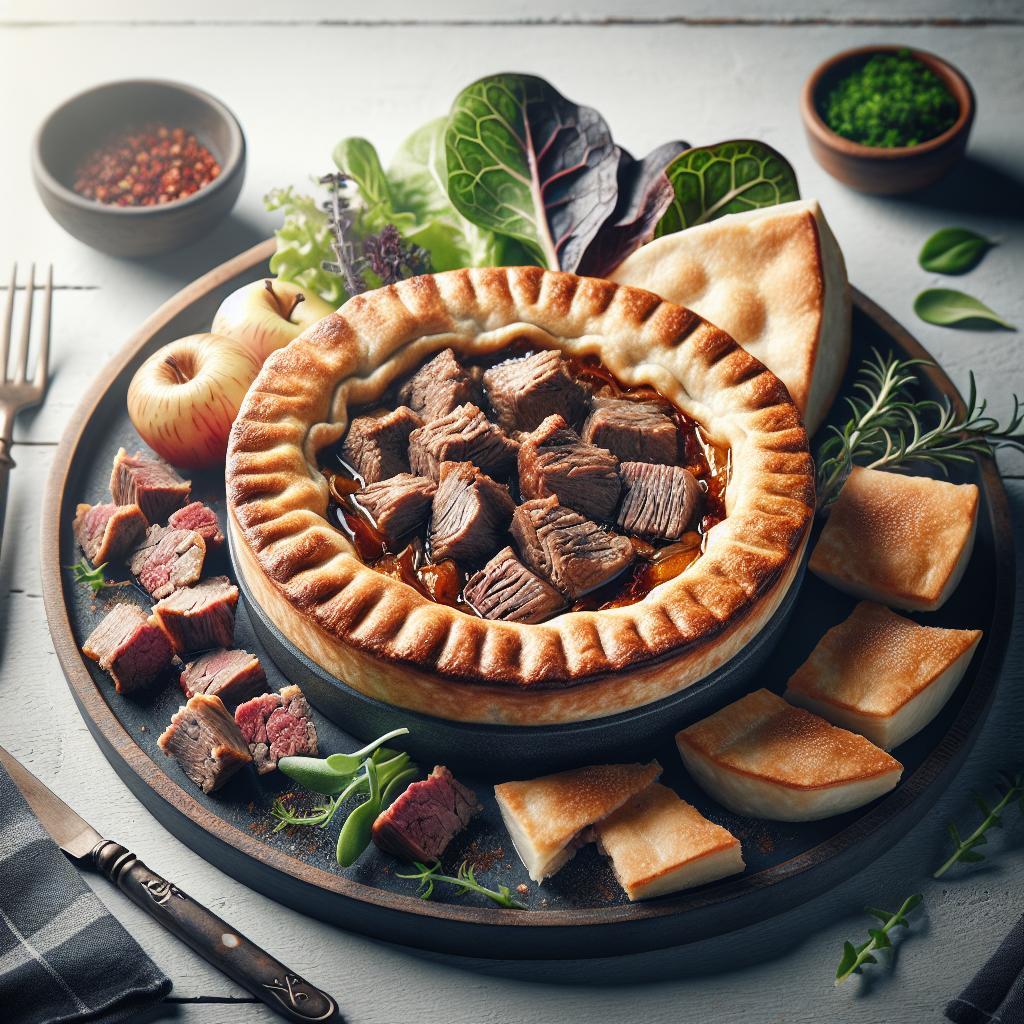
There is a deep comfort in a golden, sturdy pastry that hides a seasoned lamb filling. This Scotch pie recipe uses classic techniques to deliver a robust, satisfying pie that’s both portable and plate-worthy.
The method below emphasizes a proper hot-water crust style pastry and a slow-simmered lamb mix so each bite stays moist and flavorful. Readers will find precise timings, ingredient choices, and practical tips to reproduce an authentic result at home.
- Key takeaway: Use quality minced lamb (≈15% fat) for balance and flavor.
- Key takeaway: Cold fats and minimal handling create an ideal hot-water crust pastry.
- Key takeaway: Simmer the filling until most liquid has evaporated for a compact, sliceable interior.
Prep and Cook Time
Prep: Plan about 30 minutes to chop, mix, and prepare pastry components. Hands-on time includes chilling the dough briefly to firm the fats and relieve gluten tension.
Cook: Expect approximately 1 hour 15 minutes of oven and simmer time combined. This timeline yields four standard 5-inch Scotch pies with fully set filling and a crisp crust.
Yield
This recipe produces 4 generous Scotch pies, sized to share or to serve as main-course portions. You can scale the batch by doubling the ingredients and using more tins when cooking for larger groups.
Miniaturizing into tartlet tins works too; reduce baking time by 10–15 minutes and monitor color. For freezing, both raw and fully baked pies hold up well if wrapped tightly.
Difficulty Level
Skill level: Medium. The process demands attention to temperature control for the fats and a steady simmer for the filling. Both techniques reward patience with a stable, flaky crust and concentrated lamb flavor.
If you already roll pastry and brown minced meats confidently, you will find the remaining steps straightforward. Beginners should read each step fully before starting and organize mise en place to streamline the assembly.
Ingredients
The recipe separates the filling and pastry components to clarify fat management and seasoning. Measure accurately for pastry ratios to achieve the correct texture and handle the dough minimally for flakiness.
Below are precise ingredient lists for the lamb filling and the hot-water crust pastry, plus glazing and optional flavor boosters. All ingredients are standard and easy to source.
Lamb Filling
1 lb (450 g) minced lamb (aim for ~15% fat), 1 medium onion finely chopped, and 2 cloves garlic minced form the savory base. Add 1 tbsp beef or lamb suet or solid fat, 1 tsp dried mixed herbs, ½ tsp ground nutmeg, and 1 tsp Worcestershire sauce for depth.
Season with salt and freshly ground black pepper to taste, and stir in ¼ cup (60 ml) lamb or beef stock while simmering. Simmer until most liquid evaporates so the filling binds and slices cleanly.
Hot-Water Crust Pastry
Use 2½ cups (300 g) all-purpose flour, 1 cup (225 g) cold unsalted butter cubed, and 4 oz (115 g) chilled beef or lamb dripping for authentic texture. Include ½ tsp salt and 6–8 tbsp cold water to bring the dough together.
For glazing, set aside 1 beaten egg to brush over the lids before baking, which promotes deep, even browning. Keep all fats cold and avoid overworking the dough to maintain a tender, sturdy shell.
Instructions
These steps follow a logical flow: cook the filling, cool it, make and chill the pastry, assemble, then bake. Read each step fully before performing the action to avoid over-handling the dough or overcooking the meat.
Preheat the oven to 375°F (190°C) before assembly so the pies bake immediately when assembled. Work on a lightly floured surface and use greased tins sized to produce four 5-inch pies.
Step-by-step
1. Prepare the lamb filling: In a skillet over medium heat, melt the suet or dripping with a small drizzle of neutral oil. Add the chopped onion and garlic and sauté until translucent, roughly 5 minutes, stirring to avoid browning too fast.
2. Brown the lamb: Crumble in the minced lamb and cook until it loses its pink color, about 8 minutes. Season with salt, pepper, nutmeg, and mixed herbs while the meat cooks to allow the spices to bloom.
3. Deglaze and reduce: Stir in Worcestershire sauce and stock, bring to a gentle simmer, and reduce until most liquid evaporates, roughly 10 minutes. Taste and adjust seasoning, then transfer the filling to a bowl to cool; cold filling firms and compacts better in the pastry shell.
4. Make the pastry: In a bowl, mix the sifted flour and salt. Rub in the cold butter and dripping with fingertips until the mixture looks like coarse breadcrumbs. Heat a small measure of water briefly if making a true hot-water crust: gently warm water with the fats before mixing, then cool slightly before adding to flour to form a cohesive dough.
5. Chill and shape: Add cold water tablespoons at a time until the dough just comes together, then form into a ball, wrap, and refrigerate 20 minutes. Roll two-thirds of the pastry to roughly ¼-inch thickness and cut four base circles to line greased pie tins; use the remainder for lids and decorative trim.
6. Assemble and bake: Spoon cooled lamb into each base, press lightly to compact, then top with lids and crimp edges firmly. Brush with beaten egg, cut a small vent in each lid, and bake 45 minutes until golden and crisp. Rest pies 10 minutes before removing from tins to set the filling.
Tips for Success
Control fat temperature: Keep fats cold until mixing; cold fat yields a superior texture in the final pastry. Use chilled drippings and cold butter; if fats soften too much, chill the bowl briefly before continuing.
Texture of filling: Aim for a drier, compact filling rather than a loose stew. Simmer until most liquid reduces; that concentration prevents soggy bottoms and makes slicing tidy.
Chilling times matter: a 20–30 minute rest for the dough reduces shrinkage and helps the pastry hold its shape. Also, cool the filling before assembly to avoid melting the fats in the pastry prematurely.
For flavor variation, add a splash of red wine during reduction or a teaspoon of Dijon mustard to the filling for subtle tang. Keep additions modest to protect the classic lamb-forward profile.
To freeze, wrap cooled pies tightly and defrost overnight in the refrigerator before reheating slowly in a moderate oven to restore crispness. Reheating from frozen requires longer baking at a slightly reduced temperature to heat evenly.
Serving Suggestions to Elevate Your Scotch Pie Experience
Serve Scotch pies warm alongside creamy mashed potatoes or buttery peas for a traditional plate. A spoonful of mint sauce or a tangy chutney complements lamb’s richness and brightens the palate.
For a lighter contrast, toss a mixed green salad in a sharp mustard vinaigrette and serve on the side. Pair the pies with a robust ale or a crisp white wine depending on your preference and the meal context.
Nutritional Info (per pie)
Estimate per pie: approximately 650 kcal, 28 g protein, 45 g carbohydrates, and 38 g fat. These values vary with specific ingredient brands and portion sizes, so treat them as practical approximations for meal planning.
To reduce calories, choose leaner lamb or swap half the pastry for a lighter shortcrust, though this will alter texture and authenticity. Adjust portions and sides to fit dietary goals while retaining flavor balance.
Further Reading and Context
Scotch pies belong to a long tradition of meat-filled pastries within regional British baking. For historical context on the cuisine and regional practices, see Scottish cuisine.
For technical background on the dough family and pastry techniques, consult the general pastry article at pastry. To understand ingredient specifics like trimmed fats, reference suet and its culinary uses.
FAQ
What makes a Scotch pie different from other savory pies?
A Scotch pie uses a hot-water style or sturdy pastry that forms a compact double crust to hold minced meat snugly. The filling traditionally emphasizes seasoned minced lamb, resulting in a dense, sliceable center rather than a loose gravy.
This structure made the pie ideal for portable meals historically, and it remains preferred where a firm, hand-held pie is desired.
Why choose lamb for the filling?
Lamb contributes a rich, slightly gamey note that pairs well with warm spices and herbs. This flavor profile reflects regional meat availability and traditional recipes passed through generations.
If preferred, you can substitute beef or turkey, but adjust seasonings and fat content to preserve moisture and mouthfeel.
Is hot-water crust pastry difficult to make at home?
The technique differs from flaky shortcrust but stays approachable: warm the fats gently with water, mix into the flour, then cool and shape. With measured steps and brief chilling, home bakers can master the technique quickly.
Work cold when handling the dough to avoid melting fats and keep the pastry stable during shaping and baking.
How long can Scotch pies be stored and frozen?
Store baked pies in the refrigerator for 3–4 days, wrapped airtight to maintain crust texture. Freeze either baked or unbaked pies for longer storage; wrap twice to prevent freezer burn.
Reheat in a moderate oven to crisp the pastry and ensure internal temperature reaches food-safe levels before serving.
Can I make mini Scotch pies for parties?
Yes. Use tartlet tins and reduce baking time accordingly. Mini pies make excellent canapé-style servings and let guests sample multiple flavors if you offer variants like mushroom-lentil for vegetarians.
Monitor bake color closely and test a center pie for doneness rather than relying solely on time when changing sizes.
To Conclude
This Scotch pie method balances authentic technique with practical home-kitchen advice to produce a reliably flavorful, sturdy pie. Use quality lamb, respect pastry temperature, and control moisture during simmering to achieve the classic texture and taste.
With practice, you will find this recipe both forgiving and rewarding, delivering pies that carry the rustic, savory character of traditional Scottish baking. Happy baking.

See also: Scotch pie