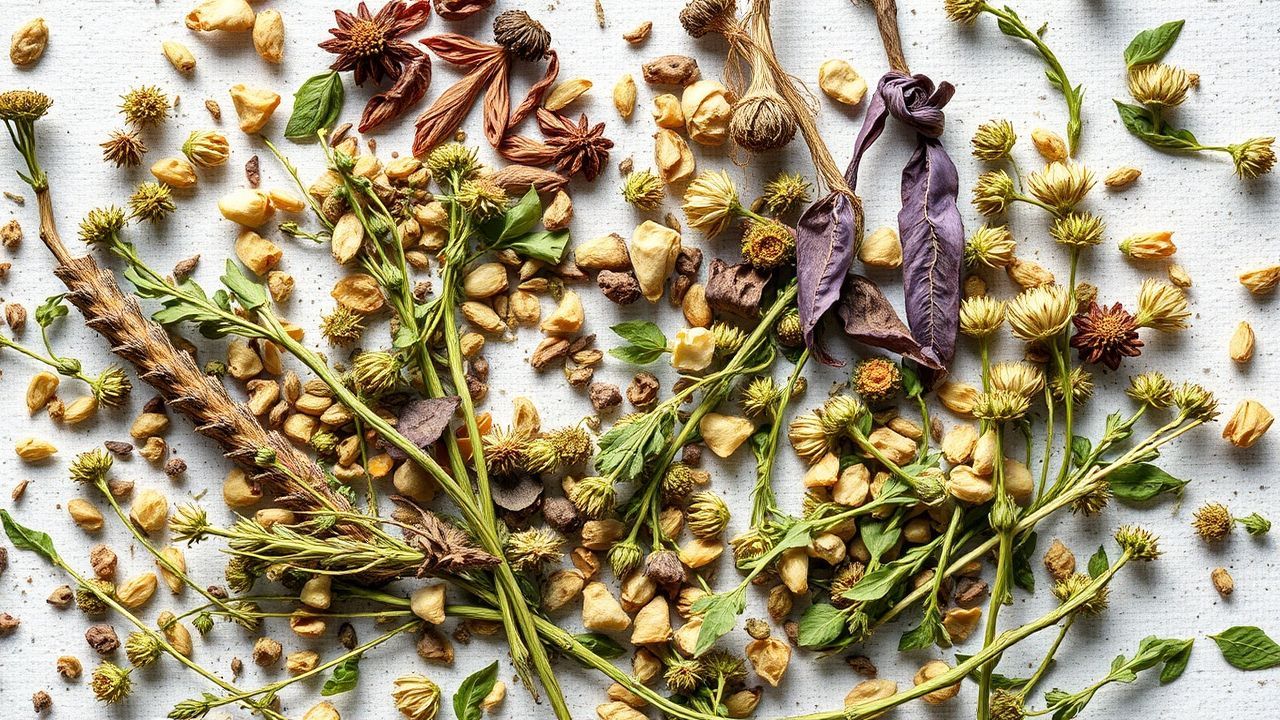

There is a practical joy in turning fresh leaves into long-lasting, flavor-packed dried herbs. Properly dried herbs lock in aroma and concentrated taste that lift soups, teas, and seasoning blends.
- Recognize crispness: texture, color, and snap matter.
- Drying window: most herbs take 1–3 days depending on method.
- Storage stops loss: airtight, dark jars extend potency.
Understanding the science behind herb drying
Drying removes bound water while retaining volatile compounds that give herbs their signature aroma. The physical cues you monitor link directly to moisture content and oil retention.
For reliable background on drying as a food-preservation method, consult the food-drying literature such as food drying summaries and materials on herb composition.
Prep and Cook Time
Preparation Time: 10 minutes of harvesting and initial drying setup. Small prep prevents trapped moisture and reduces total drying time.
Drying Time: Typically 1 to 3 days. Thicker stems and larger leaves take longer; warm, dry air speeds progress without overheating.
Yield
Expect roughly 1 cup of dried herbs for every 4 cups of fresh herbs, depending on leaf density and variety. This ratio helps you plan jar sizes and batch frequency.
Record yield per variety during early batches to build a simple reference for future harvests and to refine drying times by species.
Difficulty Level
This process rates from easy to medium. Most home cooks adapt quickly, but delicate herbs require closer attention to avoid overdrying.
Using a dehydrator or oven adds predictability; air drying demands careful airflow and periodic checks to prevent mold pockets.
Ingredients
4 cups fresh herbs such as basil, thyme, rosemary, or oregano make a standard batch. Select disease-free, dry-picked stems for best results.
Optional tools: string or small clips for bunching, mesh trays, and muslin bags. Keep an internal log at /herb-drying-guide to track time and conditions for each herb.
Instructions
Follow a repeatable routine: harvest, clean, arrange for drying, monitor, test, and store. Consistency reduces failures and increases flavor retention.
Use the order below as a checklist. Adjust the timing for leaf thickness and local humidity.
- Harvest fresh herbs: Cut in the morning after surface moisture dries to maximize essential oils.
- Rinse briefly if needed and pat dry gently. Excess water increases drying time and risks spoilage.
- Remove lower leaves and group stems into small bunches or spread single layers on mesh trays for even airflow.
- Choose a drying method: Air dry in a warm, shaded place with cross-ventilation, use a dehydrator set between 95–115°F, or oven-dry at the lowest setting with the door propped open for airflow.
- Monitor texture: Properly dried herbs crumble with a gentle pinch and show no pliability or damp spots. Check every 8–12 hours in humid conditions.
- Test crispness: Bend a leaf; it should break or shatter, not bend. If it feels flexible, continue drying; if it turns to powder easily, you may have removed too much oil along with water.
- Store promptly: Pack cooled, whole leaves into airtight glass jars and keep them away from light and heat. See our storage notes at /store-dried-herbs.
Chef’s Notes: Tips for Success
Visual cues: Well-dried leaves keep a muted but identifiable color; too-brown tones signal over-drying. Use a magnifier early on to spot mold or uneven drying.
Airflow matters: A single-layer spread on mesh trays or hanging in small bunches maintains steady evaporation and prevents pockets of residual moisture.
Track ambient humidity and shade during drying. High humidity prolongs drying and increases mold risk; if humidity stays above 60%, use a dehydrator or stretch drying time with stronger airflow.
Rotate trays or gently shake hangings halfway through the process. This simple action evens exposure and reduces the number of failed batches.
Serving Suggestions
Use dried herbs to enhance sauces, marinades, and dry rubs. Whole dried leaves release flavor slowly; crush them only at the point of use for best aromatic impact.
Blend robust herbs like rosemary and thyme into rubs. Reserve delicate herbs such as basil for finishing, where their concentrated aroma shines.
Nutrient Snapshot
The following table gives a quick reference per teaspoon of typical dried herb blend. Nutrient amounts vary by species and growing conditions.
| Nutrient | Amount per 1 tsp dried herbs |
|---|---|
| Calories | 3 kcal |
| Protein | 0.1 g |
| Carbohydrates | 0.7 g |
| Fat | 0.03 g |
Quality Control and Troubleshooting
Smell and touch provide immediate feedback. A concentrated herbal scent indicates success; musty or weak odors suggest under-drying or age-related loss.
For microbiological safety, err on the side of slightly longer drying when ambient conditions are uncertain. Consult preservation sources on drying limits and safe storage described in general food storage guidance.
FAQ
How do I know when herbs are perfectly dry?
Perform a texture test: a properly dried leaf will crumble or shatter when pinched and will not feel cool or damp. Check stems; they should snap rather than bend.
Also rely on smell: a concentrated aroma signals retained essential oils. If the scent is faint or musty, re-evaluate drying and storage conditions.
Do different herbs dry at different rates?
Yes. Woody herbs like rosemary and thyme take longer than delicate leaves like basil and cilantro. Leaf thickness and moisture content dictate time; monitor each species on its own schedule.
Smaller-leaved herbs generally dry faster because they expose more surface area to evaporation. Adjust batch size and airflow accordingly.
Can I use a dehydrator or oven instead of air drying?
Both work and provide control. A dehydrator keeps low, steady heat and good airflow, while an oven can substitute at the lowest setting with the door ajar to allow moisture to escape.
When using heat, maintain temperatures under 115°F to preserve volatile compounds. For deeper technical reference on oils, consult material on essential oils.
How should I store my dried herbs to preserve flavor?
Use airtight, opaque glass jars stored in a cool, dark place. Keep whole leaves intact until use; crush leaves only when adding to a recipe to protect oils longer.
Label jars with date and herb type. Rotate stock by using oldest jars first and record storage outcomes in a simple drying log for continuous improvement.
What common mistakes cause failed batches?
Poor airflow, harvesting damp herbs, overcrowding, and excessive heat cause most issues. Each leads to uneven drying, mold, or flavor loss.
Prevent problems by spacing herbs in single layers, checking texture frequently, and keeping drying times consistent for each herb variety.
By focusing on clear sensory checks—sight, touch, and smell—and by recording results, you institutionalize a reliable drying routine. Repeating the process and refining times per herb turns trial into predictable, tasty results.
See also: Herb drying